The first sign that December is different on the Cinque Terre trail comes when you step off the train in Monterosso al Mare. The usual summer roar of flip-flops on cobblestones is gone. Instead, a low hum of the sea reaches the platform. The air holds a chill that feels less like a deterrent and more like permission to move faster. A Reddit user recently reported that a successful winter traverse required only light layers and sturdy shoes, with daytime temperatures hovering around 10–15°C (50–59°F). The terrain, they noted, remains well-maintained even as the tourist tide recedes.
The trail connecting Monterosso to Riomaggiore spans about 12 kilometers of coastal cliffs, terraced vineyards, and stone staircases. With moderate elevation gain, the full route takes roughly five to six hours of steady walking. In December, the Mediterranean sun sits lower in the sky, casting long shadows across the path. The wind picks up late morning, and the sea spray carries salt that dries on exposed skin. (Frankly, the emptiness of the villages transforms the hike from a crowded tourist shuffle into something closer to pilgrimage.)
Weather and Trail Conditions: What December Brings
December temperatures along the Ligurian coast average between 10°C and 15°C, but the real variable is not the thermometer — it is the wind. A gust off the Tyrrhenian Sea can drop the perceived temperature by several degrees, especially on exposed sections between Corniglia and Manarola. The trail surface changes daily: after a dry week, the dirt paths crumble underfoot; after rain, they turn into slick mud that clings to soles. The Reddit community recommended packing a windproof jacket as the single most important item after footwear. “A fleece under a shell worked far better than a heavy parka,” one commenter wrote. “You warm up fast once you start climbing.”
The trail itself is maintained year-round by the Parco Nazionale delle Cinque Terre, but the level of attention drops in low season. Loose stones may remain uncleared for weeks. Guardrails on the narrowest passages feel more reassuring than necessary — but they are not redundant. The path from Monterosso to Vernazza is the most forgiving, with gentle inclines and wide views of the coastline. From Vernazza to Corniglia, the trail tightens, threading through olive groves where the tree branches interlock overhead. The final stretch from Manarola to Riomaggiore, the famous Via dell’Amore, remains closed due to previous landslide damage; hikers must use the high trail, which adds an extra 45 minutes of steep switchbacks.
The Packing List: Beyond the Basics
A December hike on the Cinque Terre trail demands a kit that balances weight with utility. The Reddit thread converged on a core set of items:
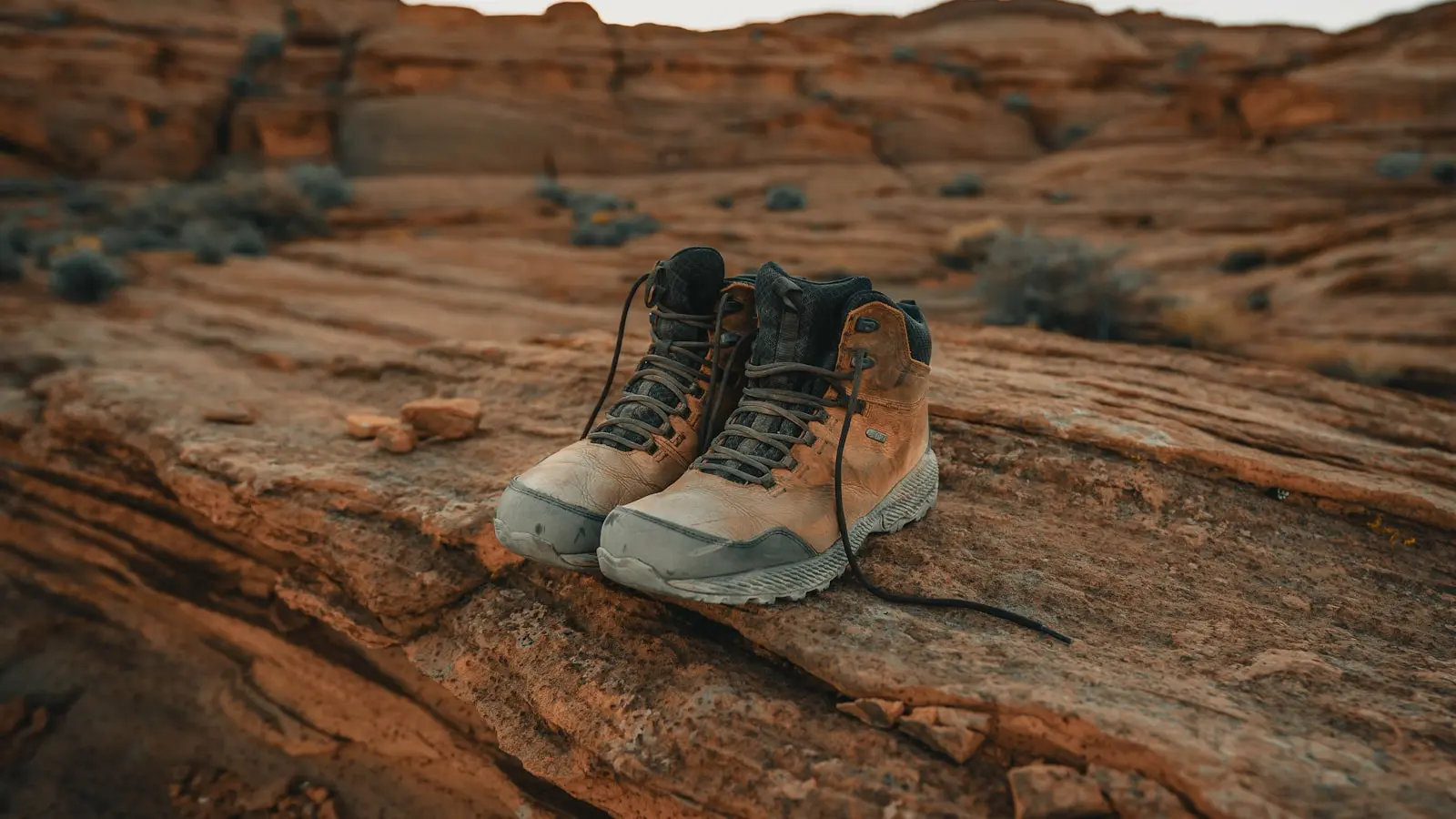
- Footwear: Sturdy hiking shoes with good tread. Trail runners work, but ankle support helps on uneven steps. Avoid waterproof boots unless you expect prolonged rain; the breathability trade-off is not worth it for short showers.
- Layers: A thin merino wool base, a mid-layer fleece or lightweight puffy, and a windproof shell. The shell should pack small enough to stuff into a daypack when the sun breaks through.
- Hydration: Water fountains in villages are typically turned off from November through March. Carry at least 1.5 liters. (The cafes in Vernazza sell bottled water at a premium, so plan ahead.)
- Camera: The light in December is golden, low, and dramatic. Empty piazzas and deserted staircases offer compositions impossible in summer. A phone camera suffices, but a small mirrorless body with a 35mm lens captures the texture of stone and sea.
- Sun protection: The winter sun can still burn, especially on southern exposures. Sunglasses and sunscreen are not optional.
The community also warned against cotton clothing. “Jeans are a mistake,” one user wrote bluntly. “They soak up sweat and stay wet all day.” Synthetic or wool trousers with some stretch allow freedom of movement during the steep ascents.
Why Winter Changes the Experience
The Ligurian coast has been shaped by human hands for centuries. The terraces that hold the vines were carved by generations responding to the same wind and soil that push against hikers today. In July, those terraces are obscured by a wall of tourists. In December, the silence returns. The old men in Riomaggiore who sit on benches and watch the ferry disappear around the headland do not need to shout over selfie sticks. The smell of woodsmoke mixes with the scent of ripening lemons. The villages become themselves again — working towns, not postcard sets.
Design shapes behavior here. The narrow alleys force encounters; the steep staircases remind you of physical limits. In winter, that design language is legible without the noise of commerce. A cafe in Corniglia that in summer serves hundred of cappuccinos per hour becomes a quiet spot where the owner might chat about the anchovies he is preserving. (The true cultural artifact is not the trail itself but the rhythm of daily life it supports.)
Navigating Logistics in Low Season
December brings practical constraints. Some restaurants close for a month or more, especially those that rely entirely on tourism. The ferries stop running after October, so the only way to move between villages is by train or foot. The local train line runs every 30 minutes, but delays are common. A hiker who misses the last train from Riomaggiore to Monterosso (usually around 9 pm) will face a long wait or a taxi ride that costs more than the day’s meals. Planning the hike start time becomes essential. Starting from Monterosso at 8:30 AM allows a leisurely pace with stops in each village for coffee and photos, arriving in Riomaggiore by early afternoon. Sunset is around 4:45 PM, and hiking in the dark on unlit trails is not advisable.
The weather can change abruptly. A clear morning may give way to clouds by noon, and light rain can turn the stone steps into a skating rink. The Reddit consensus was that a drizzle is fine — just move carefully — but thunderstorms or high winds make the trail unsafe. The park authority posts daily alerts on its website, but cell service is spotty on the coastal sections. Downloading offline maps and weather forecasts before departing is a prudent step.
The Emotional Architecture of a Winter Hike
What stays with you after a December hike is not the view from the top of a ridge — though the sight of Vernazza’s pastel houses huddled around the harbor is unforgettable. It is the way the trail forces you to slow down. Each step matters. A misplaced foot on a worn stone sends a jolt through the knee. The gradient demands attention, and attention becomes presence. The winter light, low and oblique, paints the sea in layers of gray and pewter, and the silence is punctuated only by the cry of gulls and the distant rattle of a train.
The Cinque Terre trail in December is not a convenient escape from winter. It is a confrontation with the season’s actual character — cold, clear, honest. The villages welcome you not as a tourist but as a traveler who chose to be there when nothing was on offer except the place itself. For anyone willing to carry a windproof jacket and a refillable water bottle, that trade is more than fair.