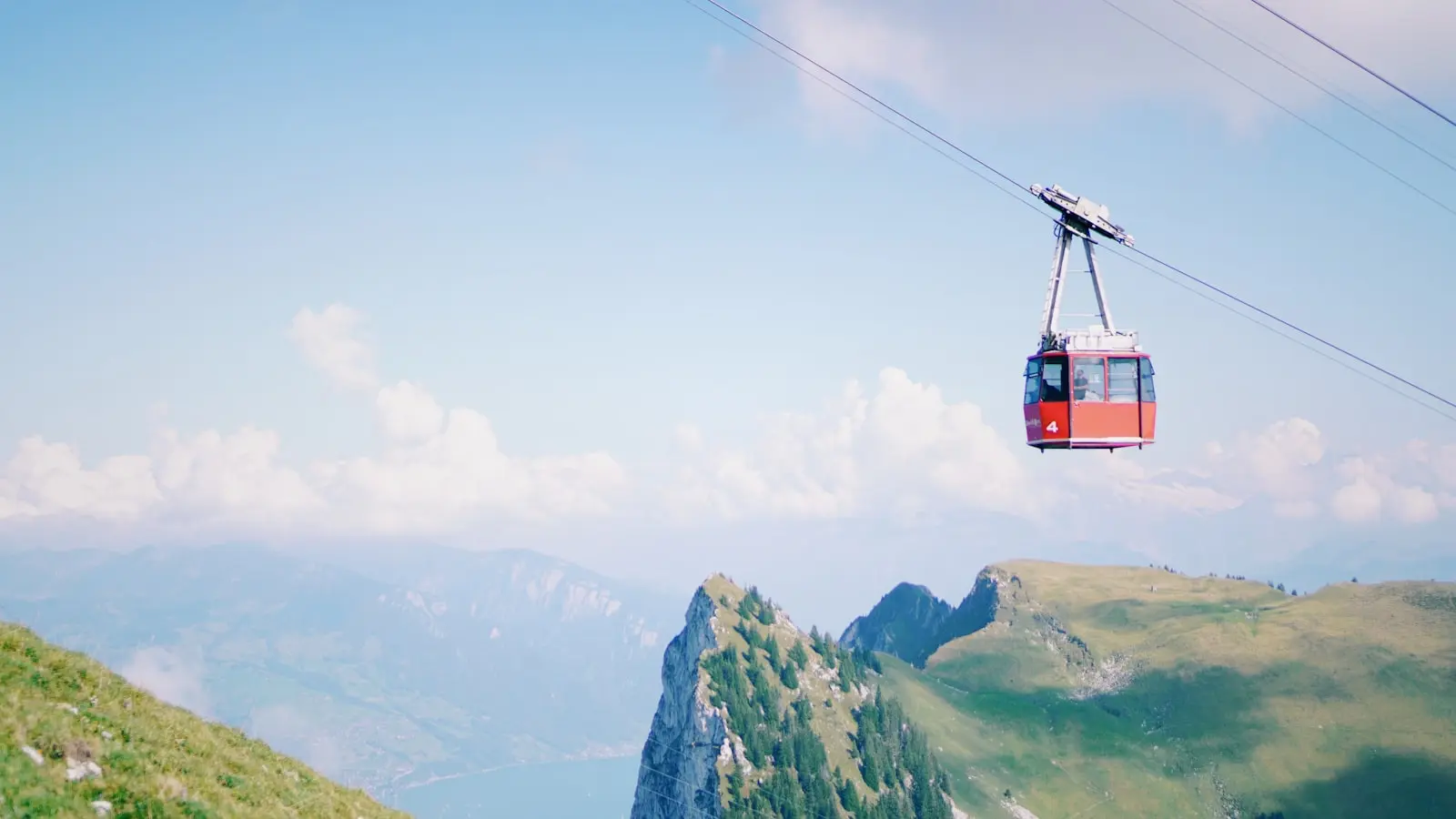
The search for the best city to alpine cable car day trips often begins with Innsbruck’s Nordkette, where a 45-minute ride lifts you from medieval streets to 2,300 meters. But several other European and global cities offer similar quick ascents from urban centers to high peaks. This article compares seven options, highlighting altitude, travel time, cost, and what makes each unique. Whether you seek the highest point in Europe, the most convenient departure, or a budget-friendly scenic ride, one of these trips will fit your schedule.
Key Takeaways
- Innsbruck’s Nordkette provides the most convenient city-to-summit access: 45 minutes from the old town to 2,300 meters with no hiking required.
- Zermatt and Chamonix reach the highest altitudes (over 3,800 meters) but cost more and, in the case of St. Moritz, require a short bus ride.
- For budget-conscious travelers, Queenstown (NZD 50) and Barcelona (€15) offer scenic cable car experiences at lower altitudes.
- All cable cars listed allow you to enjoy summit views without hiking, making them accessible to all fitness levels.
Innsbruck, Austria: From Medieval Old Town to 2,300m in 45 Minutes
Innsbruck remains the gold standard for accessible mountain views from a city. The Nordkette cable car, officially the Hungerburgbahn and Hafelekar, departs right at the edge of the historic old town. You board the funicular near the Congress Center, then transfer to two aerial tram stages. The entire journey to the Hafelekar summit at 2,300 m takes about 45 minutes. At the top, a short walk leads to a viewing platform overlooking the Inn Valley and the Karwendel mountain range. No hiking is required to enjoy the panorama. The cable car operates year-round, though strong winds can cause temporary closures. A round-trip ticket costs approximately €40. Early morning provides the clearest views before afternoon clouds roll in.
Zermatt, Switzerland: Car-Free Village to the Matterhorn Glacier Paradise
Zermatt’s cable car system takes you to the highest accessible summit in Europe. The Matterhorn Glacier Ride ascends in multiple stages from the car-free village center to Klein Matterhorn at 3,883 m. The total journey from the Zermatt train station to the top station takes about 40 minutes, including transfers at Furi and Trockener Steg. At the summit, indoor and outdoor viewing platforms offer close-up views of the Matterhorn, Monte Rosa, and dozens of other peaks. An ice palace carved into the glacier adds a surreal element. This cable car operates year-round, though the last ascent is typically around 4 PM. Round-trip tickets cost around €100 or more, depending on the season. Clear winter days often provide the sharpest visibility, but summer also offers excellent conditions. No hiking is needed to enjoy the summit.
Chamonix, France: Aiguille du Midi – Europe’s Highest Vertical Cable Car
Chamonix’s Aiguille du Midi cable car holds the record for the highest vertical ascent of any cable car in the world. From the town center, a single cable car climbs from 1,035 m to 3,842 m in just about 20 minutes. The ride is steep and dramatic, crossing over glacial crevasses and rocky spires. At the top, you can step into the “Step into the Void” glass box that extends over a 1,000 m drop. The panoramic terrace offers sweeping views of Mont Blanc, the highest peak in the Alps. The cable car typically operates from mid-May to early September, with limited off-season openings. A round-trip ticket costs approximately €70. Visitors with vertigo may find the ascent unsettling, but the views are unmatched. The summit requires no hiking, though sturdy shoes are useful for short snowy walks.
Queenstown, New Zealand: Skyline Gondola over Lake Wakatipu
Queenstown’s Skyline Gondola offers a different kind of alpine experience. Though the summit reaches only 790 m, the views over Lake Wakatipu and the surrounding Remarkables mountain range are spectacular. The base station is a five-minute walk from the town center, and the ride takes about 10 minutes. At the top, you find dining, stargazing, and the famous luge track. This is not a high-altitude alpine trip, but it provides a quick scenic escape ideal for families or those short on time. The gondola operates year-round, with round-trip tickets around NZD 50 (approximately €30). It falls into a lower-altitude category, but it is one of the most accessible mountain cable car rides from a city center.
St. Moritz, Switzerland: Corvatsch and the Engadin Panorama
St. Moritz’s Corvatsch cable car requires a short bus ride from the town center to the village of Surlej, about 25 minutes away. From there, two cable car stages lift you to 3,303 m at the top station of Piz Corvatsch. The total journey from St. Moritz takes roughly 40 minutes. On clear days, you can see over 100 alpine peaks, including the Matterhorn in the distance. The restaurant 3303 serves Ticino cuisine and features a distillery that produces whiskey. This option is excellent for photographers and those who want a full alpine experience with a meal. The cable car generally operates year-round, though the upper section may close briefly for maintenance. Round-trip tickets cost around €75. No hiking is required to reach the observation decks.
Barcelona, Spain: Montjuïc Cable Car – A Low-Altitude Urban Alternative
Barcelona’s Montjuïc cable car is not an alpine trip, but it demonstrates the range of city-to-summit experiences. The Transbordador Aeri del Port departs from Barceloneta beach and rises to Montjuïc hill, reaching about 180 m. The ride offers views of the port, city skyline, and the Mediterranean. From the top, you can visit the National Palace, Joan Miró Foundation, or stroll through gardens. This ride is far lower in altitude than the others, but it is quick (about 15 minutes from the Paral·lel metro) and cheap, with a round-trip ticket around €15. It operates year-round except on windy days. For travelers who want a cable car experience without leaving the city, this is a solid choice.
How to Choose: Altitude, Cost, and Convenience
Selecting among these options depends on your priorities. If you want the highest altitude, Zermatt and Chamonix are tied at around 3,800 m. For sheer convenience, Innsbruck and Chamonix have cable cars starting in the town center. Zermatt requires a walk from the village, St. Moritz needs a bus, and Queenstown is a short walk. Cost varies widely: Innsbruck (€40) and Barcelona (€15) are budget-friendly; Zermatt and St. Moritz can exceed €100. Time commitment ranges from 2–3 hours for Queenstown or Barcelona to a full day for Zermatt, especially if traveling from a major city like Zurich or Geneva. Weather matters most—early morning typically offers the clearest skies. Check webcams before ascending to avoid disappointment from clouds or storms. All these cable cars allow you to enjoy the summit without hiking, making them true day trips for any fitness level.
FAQ
1. Which city-to-peak cable car reaches the highest altitude? Zermatt’s Matterhorn Glacier Paradise at 3,883 m and Chamonix’s Aiguille du Midi at 3,842 m are the highest accessible peaks via cable car from a city center.
2. Do I need to hike at the top? None of these destinations require hiking to enjoy the main viewpoints. All have indoor viewing platforms, restaurants, and short walks on snow or paved paths.
3. Can I do these as a half-day trip from a nearby city? Yes. Innsbruck, Chamonix, and Queenstown are particularly well-suited for a half-day outing (4–5 hours). Zermatt and St. Moritz work better as full-day trips due to travel time from major cities like Zurich or Geneva.