To plan a month in Turkey, start in Bodrum and move counterclockwise along the Turquoise Coast to Fethiye, Kas, then inland to Aphrodisias, Ephesus, Cappadocia, and finish in Istanbul. Allocate roughly 5 days per major destination, keep transit efficient, and build in 3–4 buffer days. This structure gives you coastal relaxation, ancient ruins, hot-air ballooning, and city culture without feeling rushed.
Key Takeaways
- Start in Bodrum and follow a counterclockwise coastal route for a logical, low-backtrack flow.
- Allocate 5 days for Bodrum, 4 for Fethiye, 3 for Kas, 2 for Aphrodisias, 3 for Ephesus/Selcuk, 5 for Cappadocia, and 5 for Istanbul, leaving 3–4 buffer days.
- Book hot-air ballooning in Cappadocia months in advance (April–October) and paragliding in Oludeniz a day or two ahead.
- A mid-range budget runs $80–$130 per day per person; use overnight buses, local lokantas, and the Muzekart museum pass to save.
Overview of the Route: Bodrum to Fethiye to Kas to Aphrodisias to Ephesus to Cappadocia to Istanbul
Why start in Bodrum? Milas–Bodrum Airport has direct flights from many European cities. The city offers a lively marina, Bodrum Castle, and easy access to coves like Gumbet and Bitez. From there, head east along the coast in a logical counterclockwise direction. The route moves from seaside relaxation (Bodrum, Fethiye, Kas) to inland ruins (Aphrodisias, Ephesus), then to the surreal landscapes of Cappadocia, and finally to Istanbul’s historic chaos. Total travel time between points is manageable: bus rides of 3–6 hours, occasional domestic flights, or a rental car for those who prefer flexibility. This sequence avoids backtracking and keeps the trip feeling like a continuous journey.
Detailed Day Allocation and Transit Between Destinations
Bodrum (5 days): Use these days for beach lounging, a day trip to the castle and the underwater archaeology museum, and a boat tour of the nearby bays. Bodrum also has a lively evening scene if you want nightlife. Transit to Fethiye: by bus (about 3 hours) or rental car. Buses run frequently.
Fethiye (4 days): Highlights include Oludeniz beach, paragliding off Babadag Mountain, and hiking sections of the Lycian Way. A day trip to Saklikent Gorge is worth the effort. Boats to Butterfly Valley depart from Oludeniz. Travel to Kas: bus or car along the scenic coastal road (about 2 hours).
Kas (3 days): Kas is a quieter town ideal for scuba diving, sea kayaking, and boat trips to the Greek island of Meis (requires passport and ferry ticket). The old town has charming stone houses. From Kas to Aphrodisias: the most direct route is via bus or rental car heading inland, about 4 hours with a transfer in Fethiye or Dalaman. Aphrodisias is not on the coast, so you will lose a day of travel.
Aphrodisias (2 days): These Roman ruins are less crowded than Ephesus. Plan one full day for the site and museum, and consider adding a side trip to Pamukkale’s travertine terraces (about 1.5 hours away by bus). Travel to Selcuk/Ephesus: bus from nearby Denizli or Nazilli, about 2.5 hours.
Selcuk/Ephesus (3 days): Base yourself in Selcuk for easy access to Ephesus, the House of Virgin Mary, and the village of Sirince. A day trip to Pamukkale is feasible if you skipped it earlier. Ephesus entrance fee changes seasonally; check current rates before going. Transit to Cappadocia: the fastest option is a flight from Izmir or Dalaman to Kayseri or Nevsehir (about 1.5 hours flight time, plus airport transfers). Buses take 10–12 hours and are cheaper but tiring.
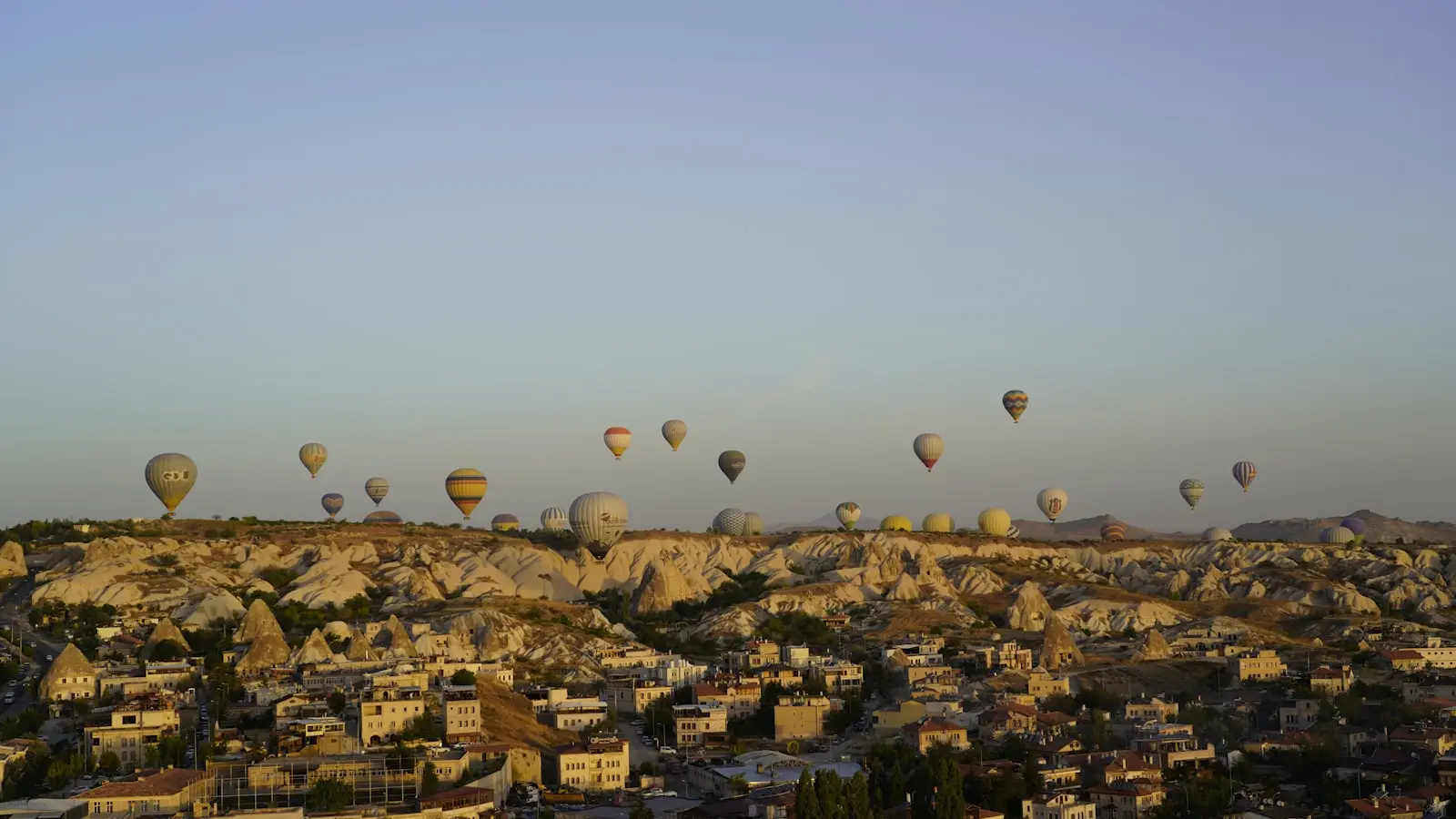
Cappadocia (5 days): Stay in Goreme or Urgup. Must-do activities: hot-air balloon flight (book months ahead if visiting April–October), Goreme Open Air Museum, underground cities (Derinkuyu or Kaymakli), and hiking through Rose Valley or Love Valley. Weather can cause balloon cancellations, so build in two possible mornings. Transit to Istanbul: flight from Kayseri or Nevsehir to Istanbul is about 1.5 hours; bus takes 8–10 hours.
Istanbul (5 days): Split your time between Sultanahmet (Hagia Sophia, Blue Mosque, Topkapi Palace), a Bosphorus cruise, the Grand Bazaar, and a food tour. Consider a day trip to the Princes’ Islands for a slower pace.
Buffer days (3–4): Use these for rest, unexpected weather delays, or spontaneous detours. You might extend a favorite spot, add a day in Pamukkale, or explore the Aegean coast more deeply.
Must-Book Experiences and Pro Tips
Hot-air ballooning in Cappadocia is the single most important reservation. Book at least 2–3 months ahead for summer trips. Check cancellation policies; if a flight is cancelled due to wind, operators often refund or rebook. Paragliding in Oludeniz can be booked a day or two in advance, but demand is high in July and August. Scuba diving in Kas requires certification; advanced booking ensures equipment and boat space. Gulet boat trips in Fethiye or Kas are easier to arrange on arrival, but if you want a particular boat, book a day ahead. Ephesus and other archaeological sites often have reduced hours in winter (October–April); check before you go. To avoid travel fatigue, do not schedule more than three consecutive days of moving between cities. Insert rest days after a long bus or flight.
Budget and Packing for a Month in Turkey
A mid-range budget for accommodation (private rooms in guesthouses or mid-range hotels), meals (mostly eating at lokantas and occasional nicer restaurants), intercity transport, and activities (balloon, paragliding, museum entries) typically falls in the range of $80–$130 per day per person. Currency fluctuations affect this; check current lira exchange rates before you go. Cost-saving tips: use overnight buses to save on accommodation, eat at lokantas for affordable home-cooked meals, and buy the Muzekart museum pass (covers many sites and offers significant savings). Cash is preferred in smaller towns; ATMs are widespread. Cards work in cities and larger hotels.
Packing requires layers. Coastal areas are hot and humid in summer, so lightweight clothing, swimwear, and sunscreen are essential. Cappadocia mornings can be cool even in summer; bring a light jacket or fleece. Comfortable walking shoes are non-negotiable for ruins and cobblestone streets. Modest clothing (long pants or skirts, shoulders covered) is necessary when visiting mosques. A scarf for women is useful. A rain jacket is wise for spring and fall.
Sample 30-Day Schedule at a Glance
- Days 1–5: Bodrum (arrival, beaches, castle)
- Days 6–9: Fethiye (paragliding, boat trip)
- Days 10–12: Kas (diving, coastal walks)
- Days 13–14: Aphrodisias (ruins, optional Pamukkale)
- Days 15–17: Selcuk and Ephesus (ancient city, museum)
- Days 18–22: Cappadocia (balloon, valleys, underground cities)
- Days 23–27: Istanbul (historical peninsula, Bosphorus)
- Days 28–30: Buffer days or extend favorites
You can copy this structure into a spreadsheet or mapping tool to adjust based on your interests. For example, if you dislike crowds, swap a day from Bodrum to a remote beach. If your budget is tighter, replace a flight with an overnight bus.
FAQ
1. How much does a month in Turkey cost for mid-range travelers? Expect $80–$130 per day per person, covering accommodation (private room), meals, local transport, and a few paid activities. That translates to roughly $2,400–$3,900 for the month. Prices vary by season and region; Istanbul and Cappadocia are costlier than coastal towns. Always verify current lira rates because inflation can change prices quickly.
2. Is it better to fly or take buses between Turkish cities for a month-long trip? Buses are cheaper and often scenic, especially along the Turquoise Coast. They also run frequently between major hubs. Flights save time but require airport transfers and can add half-day overhead. For long distances (e.g., Ephesus to Cappadocia), a short flight is worth the extra cost. For shorter legs (Bodrum to Fethiye), a bus is fine. Determine your trade-off: budget versus time.
3. What is the best time of year for this itinerary? Spring (April–May) and fall (September–October) offer mild temperatures, fewer crowds, and stable balloon weather in Cappadocia. Summer (June–August) is hot and crowded on the coast and in Istanbul, but ideal for swimming. Winter (November–March) has chillier inland sites, shorter hours, and some restaurants close; balloon flights are less reliable.