Why Sustainable Travel Matters in Scotland
Scotland’s dramatic landscapes draw millions of visitors each year, but this popularity comes at a cost. Iconic spots like Glencoe and the Isle of Skye face pressure from foot traffic, waste, and carbon emissions. The tension between enjoying nature and preserving it is real. Eco-friendly travel destinations in Scotland offer a way to explore responsibly. Many accommodations now carry certifications like Green Tourism or EarthCheck, signaling a commitment to lower impact. Understanding this trade-off is the first step toward a trip that benefits both you and the environment.
Key Takeaways
- Choose Green Tourism certified accommodations to ensure lower environmental impact.
- Use public transport such as the Caledonian Sleeper, ScotRail, and Citylink buses to reduce carbon emissions.
- Visit lesser-known regions like the Scottish Borders or Galloway to avoid overtourism.
- Follow Leave No Trace principles and the Scottish Outdoor Access Code for wild camping.
- Offset unavoidable travel emissions through verified carbon offset schemes.
How We Chose These Destinations: Our Eco-Criteria
Selecting truly sustainable spots requires looking beyond marketing claims. We focused on three main criteria: carbon impact (how you get there and the energy used by lodging), waste management (single-use plastics, recycling programs), and community benefit (supporting local businesses and conservation). Public transport accessibility was a major factor, as was adherence to Leave No Trace principles. Green Tourism certification or similar credible eco-labels helped confirm a destination’s commitment. The following destinations balance stunning scenery with genuine low-impact practices.
1. Cairngorms National Park: A Model for Green Lodging
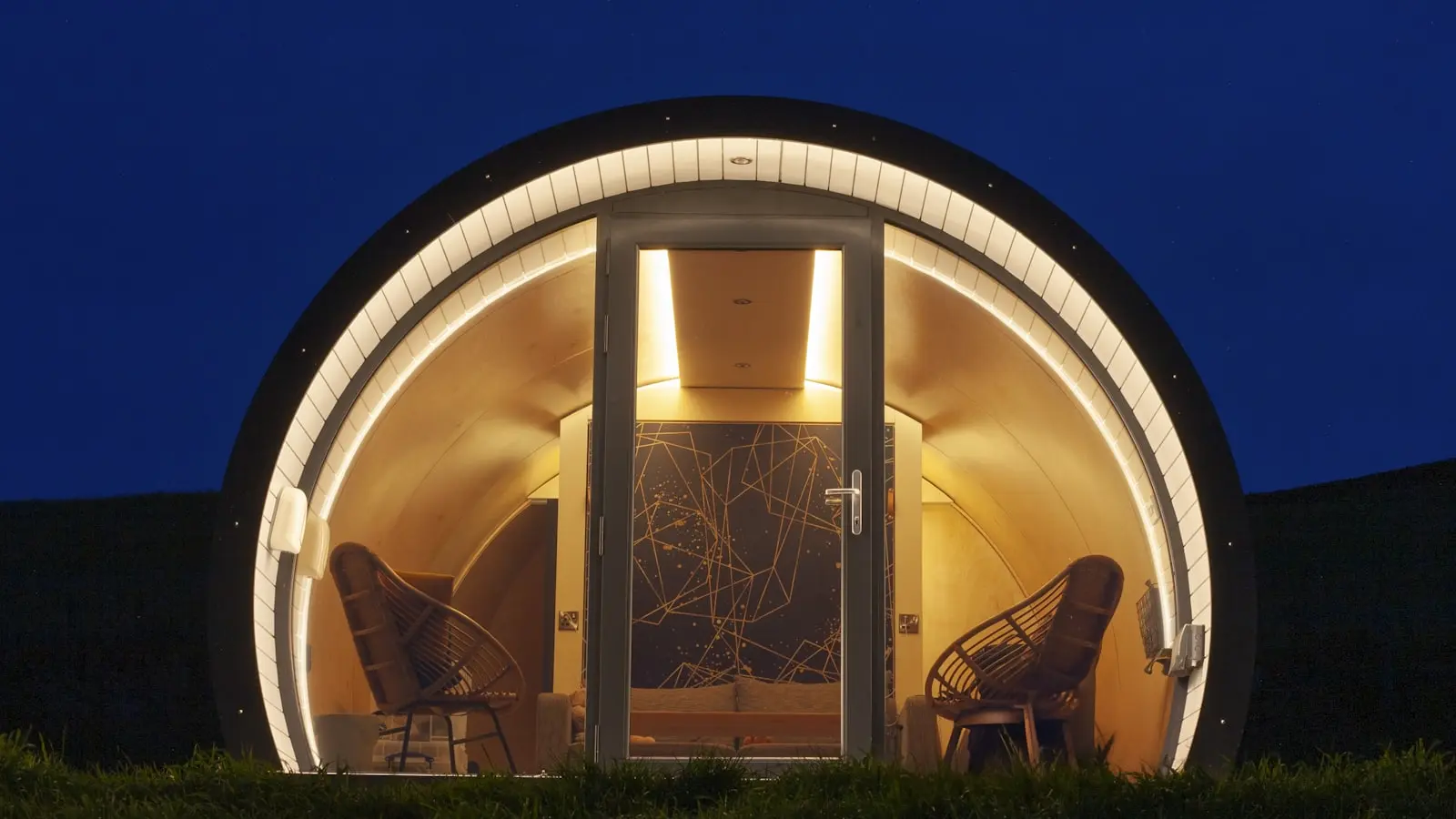
The Cairngorms National Park is a cornerstone of sustainable tourism in Scotland. Eco-lodges here, such as the Cairngorm Bothies, are inspired by traditional bothies and designed for off-grid living. They use renewable energy and offer self-catering options that reduce waste. For a more rustic experience, low-impact camping at places like Beirhope Farm lets you sleep under dark skies while supporting local agriculture. Access is straightforward via train to Aviemore and local buses, cutting down on car use. Activities focus on responsible hiking and wildlife watching with minimal disturbance to sensitive habitats.
2. Isle of Skye: Navigating Overcrowding with Eco-Friendly Tours
The Isle of Skye suffers from its own popularity. Overcrowding has led to damaged paths and strained infrastructure. However, eco-friendly travel destinations include Skye when visited thoughtfully. Choose green-certified tour operators that follow sustainable practices, such as small group sizes and strict waste management. Visit during off-peak seasons to reduce pressure. Public transport options like the Citylink bus connect Skye to the mainland, and staying in a Green Tourism certified B&B lowers your footprint. Avoid the busiest spots by exploring lesser-known trails on the island.
3. Glencoe: Responsible Exploration of an Iconic Landscape
Glencoe’s dramatic valley is a must-see, but its fragile ecosystem is under threat from high visitor numbers. Responsible travel in Glencoe means sticking to designated paths, carrying out all waste, and following the Scottish Outdoor Access Code if you camp. Wild camping is permitted in most uncultivated land, but you must camp away from fragile areas and avoid open fires. Sustainable bothy stays offer a low-impact alternative to traditional hotels. Many accommodations in the Glencoe area are working toward green certifications. By being mindful, you can enjoy this landscape without contributing to its degradation.
4. The Outer Hebrides: Low-Impact Island Hopping
The Outer Hebrides offer some of Scotland’s most unspoiled scenery and a naturally slower pace of tourism. Ferries run on efficient schedules and local buses connect villages, making car-free travel feasible. Eco-lodges and self-catering cottages with green credentials are scattered across the islands. Supporting local food producers, from seafood to croft-grown vegetables, keeps money in the community and reduces food miles. The islands’ remoteness means fewer crowds and a direct connection to nature. This is a prime destination for sustainable tourism in Scotland.
5. The Scottish Borders & Galloway: Off-the-Beaten-Path Green Getaways
Less crowded than the Highlands, the Scottish Borders and Galloway provide excellent opportunities for green travel Scottish Highlands alternatives. Galloway Forest Park, a Dark Sky Park, encourages low-impact stargazing. Unique eco-stays like the alpaca camping at Beirhope Farm give visitors a hands-on experience with sustainable land management. Slow travel is the norm here, with local produce markets and walking trails that reduce your need for a car. These regions prove that lesser-known spots often deliver the richest eco-friendly experiences.
Practical Tips for a Carbon-Neutral Scottish Trip
Getting to Scotland with a lower carbon footprint starts with train travel. The Caledonian Sleeper from London to Edinburgh or the Highlands cuts emissions significantly compared to flying. Once there, use ScotRail trains and Citylink buses to reach most destinations. Avoid single-use plastics by carrying a reusable bottle and shopping at local markets with minimal packaging. Support local businesses by eating locally sourced food and staying in family-run accommodations. To offset unavoidable emissions, consider verified carbon offset schemes that fund renewable energy or reforestation projects. Even small actions, like turning off lights in your lodge, add up.
Frequently Asked Questions
What are the best eco-certifications to look for in Scottish accommodation? Green Tourism is the most common and credible certification, with participating lodges displaying a badge. EarthCheck is another recognized standard, though less widespread in Scotland. Always check the property’s website or the certifier’s directory to verify current status.
Can I camp wild in Scotland without harming the environment? Yes, wild camping is allowed under the Scottish Outdoor Access Code, provided you follow leave-no-trace principles. Camp on uncultivated land, away from fragile habitats and water sources. Do not light campfires on peat or heather; use a camping stove instead. Carry out all waste, including food scraps.
How can I get around Scotland without a car? Scotland has a robust public transport network. The Caledonian Sleeper train connects London to key points. ScotRail covers the central belt and Highlands. Citylink buses reach remote villages and islands. Ferries operated by CalMac connect the islands. Cycling is also popular, with many routes suitable for bikes on trains and buses.