The Quiet Finale
When the final episode of Good Omens season two dropped, the usual eruption of online chatter never materialized. Outside the small radius of hardcore fans, the season ended not with a bang, but with a murmur. The reason sat heavy in the air: showrunner Neil Gaiman faced serious allegations that fractured the community. Yet those dedicated fans still watched. They finished the story, discussed the ending in private threads, and moved on. This pattern—rewatching or completing a series despite a creator’s fall from grace—repeats across fandoms. It raises a question that digs into the intersection of emotion, investment, and morality: why do we keep watching?
The Emotional Architecture of Fandom
To understand the behavior, look first at the space a show occupies in a life. A series like Good Omens is not just entertainment; it is a crafted environment. The characters, the dialogue, the set design—they form a sensory landscape that viewers inhabit over hours or years. When someone says they “live inside” a show, they mean it literally: the living room dims, the soundtrack fills the gaps between heartbeats, and the narrative becomes a companion. That emotional architecture resists demolition. Walking away from a show means walking away from a version of oneself that existed in that world. Fans describe a feeling of loss, a grief that feels disproportionate to the act of turning off a screen. The creator’s scandal becomes a noise outside the door, but inside the story, the room remains warm.
Sunk Cost and Narrative Investment
Behavioral science offers a cold frame for this warmth. The sunk cost fallacy—the tendency to continue an endeavor once an investment in money, effort, or time has been made—drives many decisions. But fandom complicates the model. A viewer who has followed a show for three seasons has not only spent hours; they have built emotional debt. They know the character’s backstory, the cinematographic motifs, the inside jokes. Walking away before the finale is like leaving a novel on page 300. The investment is not just time; it is identity. A 2022 study in the Journal of Consumer Research found that consumers who identified strongly with a narrative were more likely to overlook creator transgressions, not out of ignorance but out of a need to preserve the self-continuity. The show is part of their personal timeline. Cancelling it means cutting a thread.
The Ethical Split: Art from Artist
The community on r/television reveals a clear fracture. One commenter wrote, “I can’t watch anything by that person again. It feels like I’m complicit.” Another countered, “The work is separate. Thousands of people made the show, not one.” This split is not new—it echoes debates around Woody Allen, J.K. Rowling, Roman Polanski. But the digital age accelerates the splitting. Streaming platforms keep the content accessible with the click of a button. The ethical calculus becomes a personal negotiation. Fans who continue watching often frame it as a protest against moral purity culture or as a defense of collaborative labor. They argue that boycotting punishes the crew, not the creator. This reasoning is not mere rationalization; it reflects a genuine desire to support the collective effort while condemning the individual’s actions.
The Texture of Guilt and Discomfort
Yet the experience is not clean. Fans who watch report a low-grade unease—a flicker of discomfort during a beloved scene. One Reddit user described it as “watching with one eye closed.” The jokes still land, but the aftertaste is sour. This texture matters. It changes the viewing ritual from pure pleasure to a more complex act. The living room no longer feels safe. The remote control weighs differently. Behavioral economists call this “cognitive dissonance,” but that phrase flattens the lived reality. The fan is not deluded; they are juggling. They hold the love for the story in one hand and the disgust for the creator in the other. The show becomes an object of ambivalence. And ambivalence, as any seasoned traveler knows, is the most honest state of being.
The Architecture of Independent Judgment
There is also a quieter driver: the desire to form an independent opinion. When a scandal breaks, media coverage often pressures fans to condemn or abandon the work. But some resist. They watch precisely because they want to decide for themselves whether the art still holds meaning. This is not denial; it is intellectual autonomy. In a culture of algorithmic curation and hot takes, finishing a controversial show becomes an act of resistance against collective judgment. The fan says, “I’ll watch it, and I’ll know.” This mirrors how a traveler might visit a politically contested site—not to endorse the regime, but to understand the layers.
The Community as Echo Chamber
Fandom enclaves like subreddits or Discord servers serve as both sanctuary and amplifier. Inside these spaces, the shared experience of watching despite scandal creates a bond. Hardcore fans talk about the finale in code, avoiding wider social media to escape judgment. They create private watch parties, share screencaps with warnings, and write meta-commentary that rationalizes their choice. This social reinforcement lowers the emotional cost. If everyone in your circle is watching, the act feels normal. The group also provides a buffer against guilt—members remind each other that they are here for the story, not the scandal. This collective rationalization is powerful. It can turn individual ambivalence into a shared identity.
The Role of Time and Distance
Time softens the edges. When the scandal first broke, many fans paused mid-binge. But as weeks pass, the urge to finish the narrative reasserts itself. The emotional architecture of the show remains intact. The suspension bridge of plot still arcs toward the finale. A fan who stopped at episode five begins to feel the pull of the unresolved cliffhanger. They might revisit with fresh perspective, or they might return simply because the other option—never knowing how it ends—feels worse. This is not forgiveness. It is narrative completion as a basic human need, akin to finishing a sentence.
The Economic Undercurrent
Behind the emotion, commerce hums. Streaming platforms earn revenue from every view, regardless of creator controversy. Algorithms recommend the show to new viewers, sometimes unaware of the scandal. The platform has no incentive to remove the content unless legal pressure mounts. This economic reality means that the decision to watch is never purely individual—it is shaped by availability, recommendation systems, and the sheer inertia of a catalogue. When fans click “play,” they participate in a system that treats scandal as a minor variable. The machine does not judge; it only counts.
The Personal Geography of a Single View
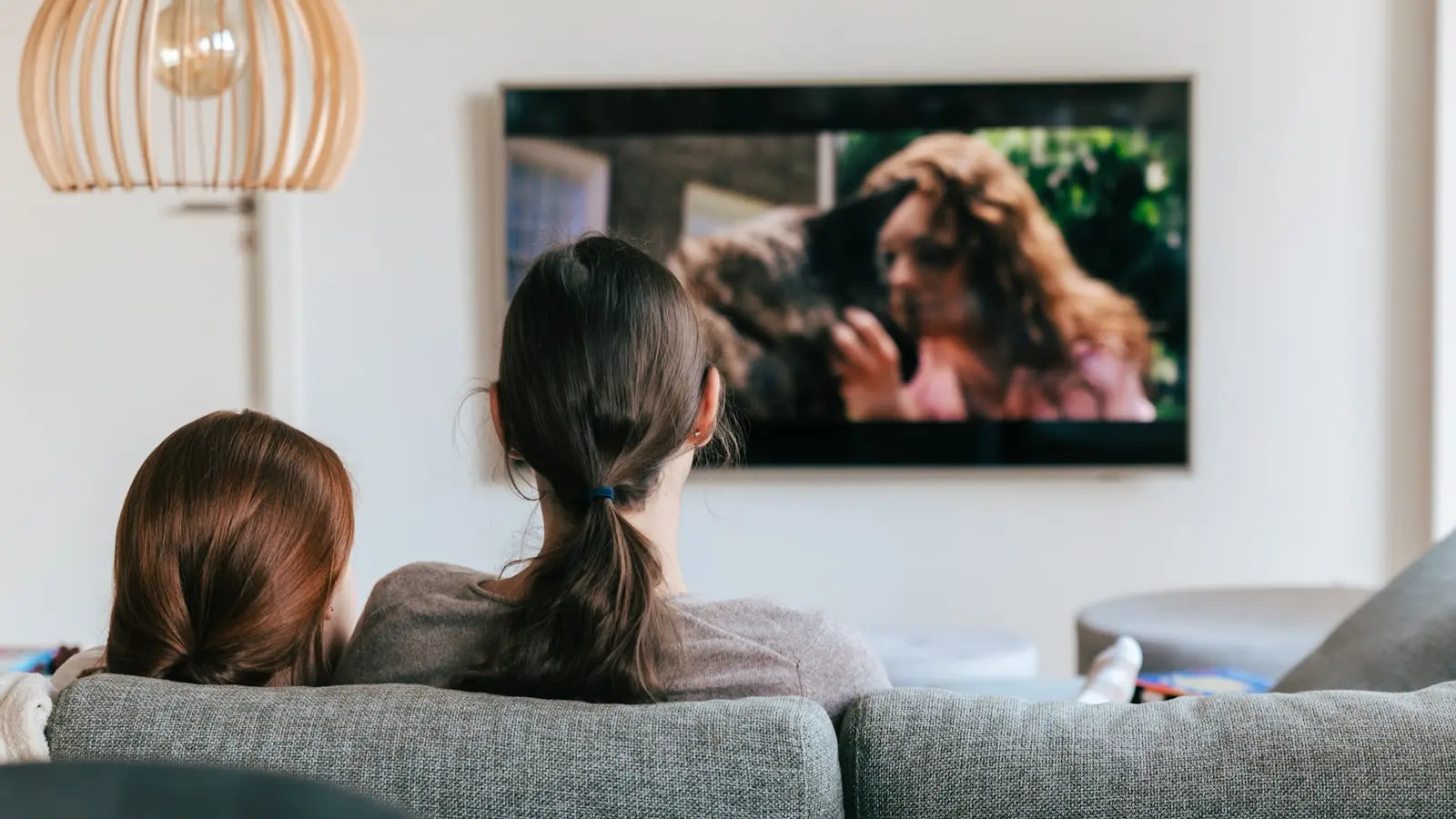
Imagine the scene. A fan settles onto a sofa, laptop balanced on knees, headphones on. The opening credits roll. The familiar music fills the small space. Outside, the street hums with traffic. Inside, the fan knows what they are doing. They have read the allegations. They have argued with friends. They have searched for opinions online. Yet here they are, watching. The screen glows. The actor delivers a line. The fan laughs. Then a pause. A flicker of hesitation. Then the next scene starts. This is the texture of contemporary fandom—not a clean yes or no, but a continuous negotiation. The room becomes a tiny theater of compromise.
What This Means for the Future of Fandom
The pattern of rewatching controversial shows is not likely to fade. As the entertainment industry consolidates, scandals will continue to emerge, and the archive of past work will remain available. Fans will develop increasingly sophisticated strategies to manage the dissonance: separate viewing accounts, curated playlists, mental firewalls between creator and work. Shows like Good Omens become case studies in how culture processes transgression. The behavior of its hardcore fans—watching, discussing, moving on—offers a mirror to the larger culture’s struggle with moral discernment. We want stories that make us feel whole. Sometimes we have to hold two opposing feelings at once to get there.
The Final Frame
When the last scene of Good Omens season two ends, the credits roll. The fan closes the laptop. The room is quiet. They might not post about it. They might not tell anyone. But the story is now inside them, for better or worse. That is the power of narrative—it enters before ethics can lock the door. And once inside, it is almost impossible to evict. The fan may feel guilt, relief, or nothing at all. But they have watched. They have completed the journey. In a world saturated with choices, that act of completion remains a small, stubborn stand for the story itself.