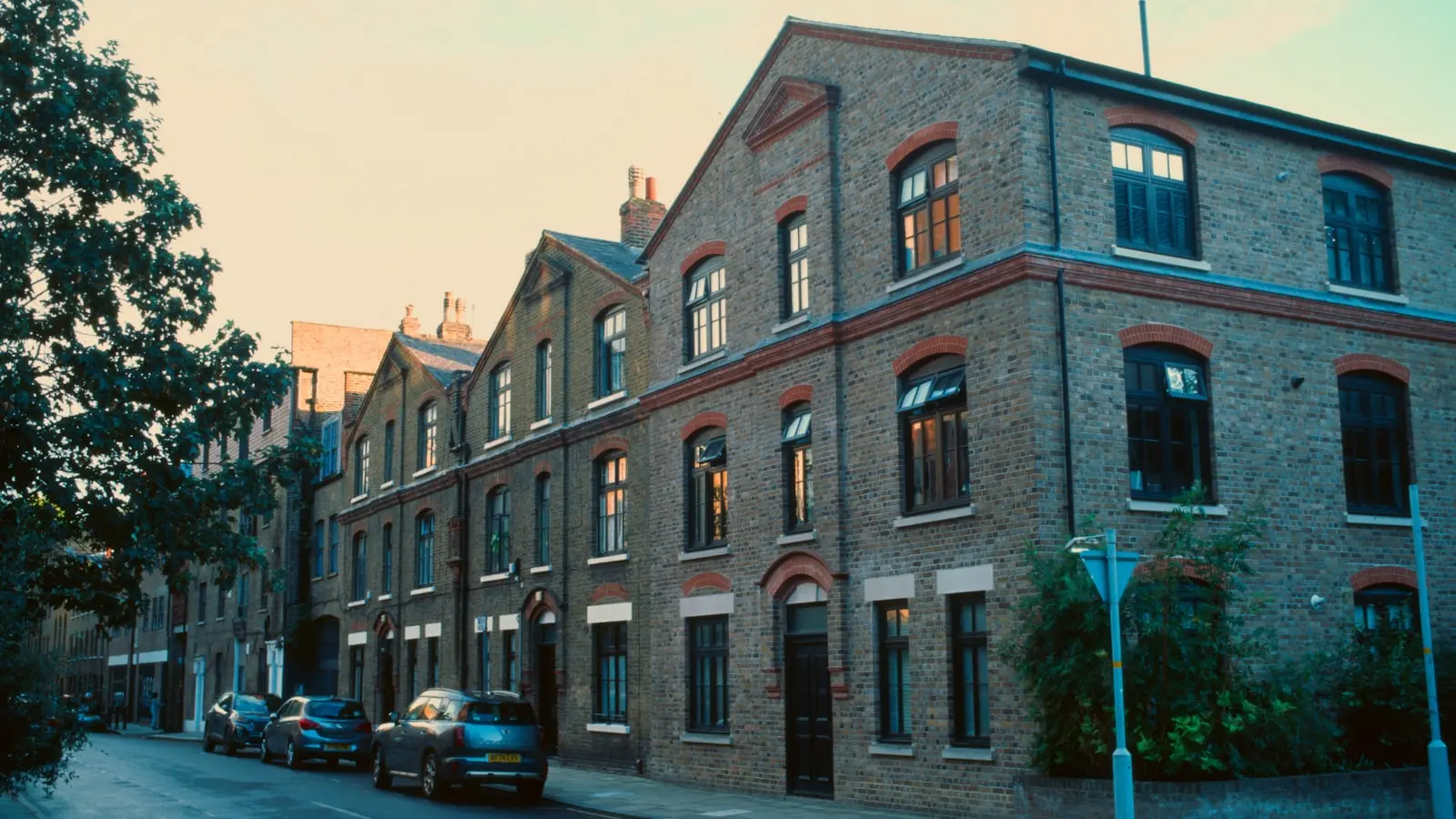
Rain slicks the pavement outside King’s Cross station while digital hotel boards flash nightly rates exceeding three hundred dollars. The global travel industry treats central London as a luxury commodity. According to the March 2025 Lonely Planet Travel Index, average nightly rates in Zone 1 maintain a fierce upward trajectory, pricing out mid-tier visitors and transforming historic postcodes into exclusive enclosures. Yet the modern traveler circumvents this financial barricade by moving outward. Accommodations in Zone 2 and Zone 3 neighborhoods command a fraction of the central premium, often falling below one hundred and twenty dollars per night. This geographical pivot routinely preserves eight hundred dollars across a standard five-day itinerary. The economic equation resolves itself through infrastructure.
Money saved on a bed converts directly into cultural capital. Eight hundred dollars funds private access to emerging culinary spaces, distinct theater productions, or bespoke local craftsmanship that central tourism rarely touches. Space dictates experience. By abandoning the immediate shadow of the London Eye, travelers forced outward by budget constraints inadvertently stumble into the actual rhythm of the city. (Zone 1 operates as a museum.) The outer boroughs breathe.
The Financial Geography of the Outer Boroughs
London maps its economic divide along transit lines. The Victoria and London Overground lines function as arteries pulling the cultural center of gravity away from Soho and Covent Garden. Neighborhoods once categorized as distant residential hubs now operate as self-sustaining cultural districts.
Analysts observing European tourism trends note a sharp migration of independent capital toward these outer rings. Independent coffee roasters, vinyl pressing plants, and natural wine importers secure leases in areas where square footage remains attainable. Travelers booking stays in these postcodes do not merely save capital. They gain proximity to the exact demographic engines driving London forward.
Consider the raw economic breakdown of a five-day stay:
| Location Tier | Average Nightly Rate | Five-Day Accommodation Total | Transit Time to Central | Daily Transit Cost Cap |
|---|---|---|---|---|
| Zone 1 (West End/Soho) | $310 | $1,550 | 0-10 Minutes | $10.60 |
| Zone 2/3 (Peckham) | $115 | $575 | 15-25 Minutes | $12.70 |
| Zone 3 (Walthamstow) | $110 | $550 | 20-30 Minutes | $12.70 |
The data exposes the central premium as a tax on convenience rather than quality. A traveler pays a thousand dollars extra strictly to eliminate twenty minutes of train travel. (Frankly, a thirty-minute commute builds necessary anticipation.)
Walthamstow and the Northern Migration
At the northern terminus of the Victoria Line, Walthamstow dismantles the outdated assumption that outer London lacks aesthetic discipline. The neighborhood anchors itself around historic brickwork and the sprawling, watery expanse of the Walthamstow Wetlands. Visitors walking through the local markets hear the distinct hum of a community that has rejected central London’s homogenization.
The architecture here shifts from the towering glass of the financial district to low-slung Victorian terraces. Craftsmanship drives the local economy. Microbreweries occupy former industrial estates, filling the air with the sharp scent of hops and damp concrete. A traveler securing a local rental in this district awakes to the clatter of independent bakeries pulling sourdough from stone ovens, not the sterile quiet of a corporate hotel corridor.
The Victoria Line bridges this environment to Oxford Circus in under twenty-five minutes. You enter the subterranean tube network surrounded by local commuters and emerge directly into the historical epicenter of the city. The contrast sharpens the senses. Moving from the hyper-local to the monumental within half an hour frames the scale of London better than any static central hotel stay.
Peckham and the Architecture of Reinvention
South of the river, Peckham operates on a different frequency. The neighborhood thrives on density and motion. Rye Lane channels a continuous stream of commerce, smelling intensely of roasting plantains, exhaust fumes, and fresh produce. The aesthetic is fractured but deeply cohesive. Brutalist concrete parking structures host rooftop spaces overlooking the sprawling skyline, while Victorian pub facades hide contemporary audio-visual installations.
The Overground line wraps around Peckham Rye station, pulling the neighborhood into a tight transit loop that reaches Shoreditch and Dalston effortlessly. Stays here often involve converted warehouse spaces or modernized terraced housing. The traveler existing in Peckham absorbs a specific urban momentum. You do not observe the culture here. You navigate it.
Central hotels sell isolation. Peckham forces engagement. When a traveler drops into a local venue where bass vibrates through the floorboards of a repurposed mid-century building, the concept of a “budget compromise” vanishes completely. The environment provides sensory returns that money cannot synthesize.
New Cross and the Cultural Engine
Further east, New Cross serves as a permanent incubator for the city’s artistic outputs, largely fueled by the proximity of Goldsmiths university. The streets here feature dense rows of dark, soot-stained Victorian brick. The area rejects polish. It prioritizes function and expression over pristine presentation.
Staying in New Cross demands an appreciation for raw urban texture. Independent cinemas operate out of narrow storefronts. Late-night dining options reflect centuries of global migration patterns, offering regional dishes that central menus frequently dilute for mass consumption. The financial barrier to entry remains low, but the cultural barrier demands genuine curiosity.
Trains from New Cross Gate push travelers into London Bridge within fifteen minutes. The transition from the heavily graffitied, student-driven streets of New Cross to the towering glass shard of London Bridge happens almost instantly. (The speed of the shift disorients in the best possible way.)
The Mechanics of Zone Two Transit
Living on the periphery requires mastery of movement. The physical distance between Zone 3 and Zone 1 only matters if the transit infrastructure fails. London’s network, despite its aging foundation, processes millions of bodies daily with ruthless efficiency.
Visitors attempting to decode complex ticket structures waste time. The system bends toward contactless technology. Travelers utilize standard contactless bank cards or secure dedicated Oyster cards to navigate the turnstiles. The technology tracks movement silently, applying strict daily financial caps that prevent budget overruns regardless of how many trains, buses, or light rail networks a traveler boards.
This daily cap acts as a psychological release. Once the financial ceiling hits, movement becomes entirely free. A traveler can cross from the southern reaches of New Cross to the northern wetlands of Walthamstow without calculating the cost of the journey. The city unlocks itself.
Redefining the London Itinerary
Design shapes behavior. When a visitor sleeps in central London, they consume central London. They walk out of a lobby, encounter immediate tourist infrastructure, and follow the paths carved out by millions of previous visitors. They eat where tourists eat. They drink where tourists drink.
Relocating to the outer boroughs rewrites the daily schedule. The morning begins with neighborhood observation. You watch the local delivery trucks unload. You stand in line behind residents buying standard groceries. You learn the specific social codes of the corner pub where bartenders remember faces. This immersion holds absolute value.
The modern traveler must reject the premise that budget constraints damage a travel experience. Financial limitations force creative geography. By stepping outside the three-hundred-dollar radius of Zone 1, the visitor stops acting as a spectator to London’s history and temporarily becomes a participant in its present. The architecture changes. The sounds shift. The city finally reveals its actual face.