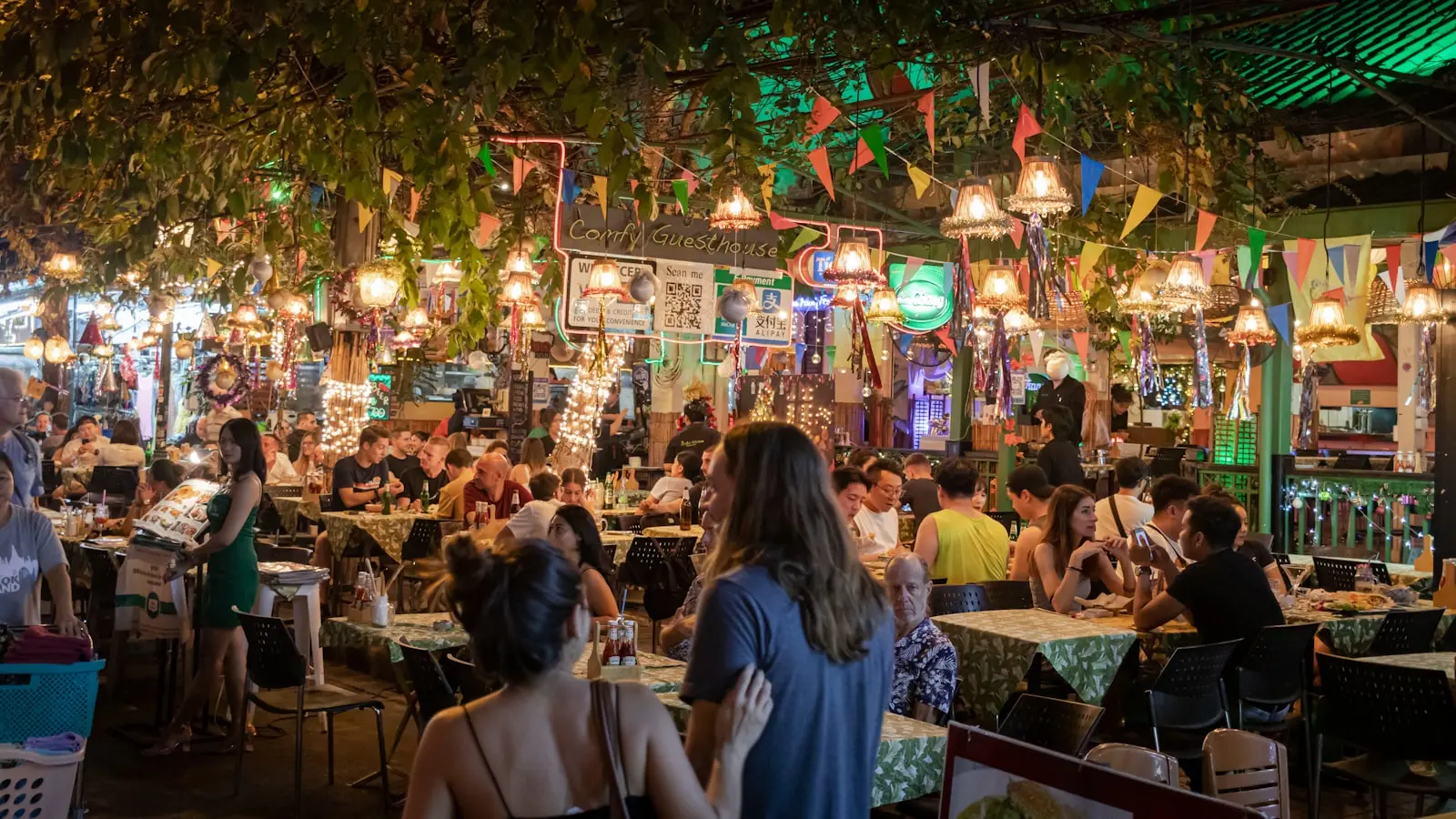
A Reddit thread recently surfaced a quiet frustration shared by many visitors to Kotor, Montenegro. The user ate at local restaurants within the Old Town walls but omitted costs, leaving the community to fill in the gaps. The consensus emerged quickly: the main square is a trap. Tourists pay premium prices for mediocre plates, while savvy travelers walk a block or two and find genuine value. At the center of the discussion stood Konoba Scala Santa, a restaurant rarely mentioned in glossy guidebooks but repeatedly praised by locals for its affordable seafood. The mechanic behind this disparity is not accidental. It is a direct result of rent economics, foot traffic patterns, and the spatial design of a UNESCO-listed fortress city.
Konoba Scala Santa sits on a narrow side street just off the main pedestrian flow. The menu offers grilled fish, black risotto, and octopus salad at roughly half the price of establishments on Trg od Oružja (the main square). A plate of fresh calamari there might cost €8, versus €18 at a square-front restaurant with laminated menus and multilingual hosts. The difference does not come from ingredient quality; it comes from the rent per square meter. Properties facing the cathedral or the clock tower command a premium that gets passed directly to the diner. The Reddit thread made this explicit: “Avoid anything on the main square. Walk one block inland.” That block, however, is where the real Kotor reveals itself.
The Landscape of Eating in Kotor
Kotor Old Town is a Venetian stone labyrinth built inside defensive walls that rise straight from the Bay of Kotor. The main square, Trg od Oružja, is where tour groups gather, where horse carriages clatter, and where restaurant owners compete for attention with chalkboards promising “traditional Montenegrin cuisine.” The competition drives up both rent and pricing. Meanwhile, the side streets that branch off from the square are narrow, shaded, and less trafficked. Restaurants there rely on repeat customers, not one-time tourists. They also rely on local food supply chains, often sourcing fish from the morning catch at the nearby market rather than frozen imports.
The Reddit user’s experience triggered a cascade of practical advice. Several commenters emphasized the value of bakeries, known locally as pekare. A bakery breakfast in Kotor costs about €1.5 for a burek (a flaky meat or cheese pastry) and a yogurt drink. Lunch could be a simple salad or a sandwich from a bakery for under €5. This is not deprivation; it is immersion. Bakeries serve as social hubs where locals grab a quick bite before work, and the quality of dough, cheese, and meat is consistently high because these staples are eaten daily. The design of a bakery space — small, fast, no seating — encourages a different kind of interaction with food. There is no ceremony, just fuel. But the flavor is honest.
Produce and the Local Market
Another recommendation that appeared in the thread was to buy produce at the local market, which operates just outside the Old Town walls near the Sea Gate. The market is a daily gathering of farmers and fishermen from the surrounding villages. Stalls overflow with tomatoes, olives, figs, and fresh fish. A kilo of ripe cherry tomatoes costs around €2. A whole sea bass, cleaned and ready, might run €8. For budget travelers with access to a kitchen or even just a picnic setup, this is a transformative option. The act of selecting ingredients from crates, haggling gently in broken Italian or English, and then assembling a meal on a bench overlooking the bay becomes a ritual. It turns eating from a transaction into an understanding of seasonality and regional agriculture.
The market also sells hard cheese (kackavall) and cured ham (prsut), both essential tastes of Montenegro. The vendor’s hands slice the ham with a long knife, the fat translucent under the morning light. This is not a curated experience for Instagram; it is the texture of daily life. The Reddit thread’s practical advice — “buy produce, eat at bakeries, skip the square” — translates to a deeper truth: budget travel is not about deprivation, but about proximity. The more you align your habits with local routines, the cheaper and richer the travel becomes.
Why the Discrepancy Persists
The Old Town of Kotor has seen a surge in tourism over the past decade, driven by cruise ship arrivals and social media exposure. The number of visitors has strained the infrastructure, but it has also incentivized property owners to raise rents. Restaurants on the main square must cover those rents, so they charge €20 for a grilled squid that costs €6 inland. The design of the Old Town — a pedestrian-only zone with stone alleys that funnel crowds — amplifies the effect. A tourist walking from the Sea Gate to the Cathedral will inevitably pass three aggressive touts before reaching the square. By the time they sit down, they are exhausted and willing to pay. Locals know this, and they avoid the square. (Why pay €18 for a beer when you can get it at a local bar for €3?)
The Reddit thread also pointed out that many restaurants on the main square employ aggressive sales tactics: waiters stand at the entrance, hands out menus, calling out discounts. This behavior signals desperation, not confidence in the food. In contrast, Konoba Scala Santa has no tout. Its owner, according to multiple reviews on other platforms, relies on word of mouth. The restaurant is known for its consistency, not its visibility. This is the pattern of any city where tourism dominates the economy — the best food hides behind the mediocre architecture of commerce.
A Practical Guide to Eating in Kotor (Reddit-Verified)
- Bakery hop: Start the day at Pekara Braca Marojevic for burek and coffee. Total cost: under €3.
- Lunch at Konoba Scala Santa: Order the grilled octopus and a glass of local Vranac wine. Total: about €12.
- Afternoon snack: Buy figs and cheese from the market. Sit on the city walls overlooking the bay. Total: €4.
- Dinner at a local konoba off the main strip: Try Konoba Kolovrat or Stari Mlini (outside the walls, but accessible by taxi). Expect €10-15 for a main course.
- Avoid: Any restaurant on the main square that has a host standing outside with a menu tray. The food is often frozen, and the bill will sting.
This itinerary is not a luxury experience; it is a local experience. And it aligns with the core philosophy that design shapes behavior. The Old Town’s layout forces travelers to make choices about where to spend time and money. Those who resist the gravitational pull of the square end up finding spaces where the food tells a story. The wine comes from a family vineyard in Crmnica. The olive oil is pressed from trees that survived the earthquake of 1979. The fish is caught in the bay that morning. These details do not appear on large chalkboards. They appear in conversations with the owner, in the smell of the kitchen, in the lack of pretension.
The Emotional Architecture of a Place
Kotor is a city of layers. The Venetian fortifications, the Orthodox churches, the Catholic cathedrals, the Ottoman influences — each period left a mark on the stone and on the palate. Eating at a bakery or a market stall is not just economical; it is a way to read those layers. The burek came from the Ottoman era, adopted and adapted by Balkan bakers. The prsut smoking technique has been passed down through generations of Montenegrin farmers. The olives are a legacy of Roman cultivation. A meal on the main square might taste fine, but it will be disconnected from this history because the ingredients are sourced from a distributor, not from the land.
The Reddit thread’s advice, distilled into a single principle, is this: walk away from the flow. The flow is designed to extract money from time-pressed visitors. The side streets, the market, the bakeries — these are spaces designed for resilience, not profit. They have survived because they serve the community, not because they attract crowds. And that is precisely what makes them worth finding.
As the tourist season tightens its grip on the Bay of Kotor, the tension between preservation and commerce will only grow. But the quiet survivors — the konoba with no sign, the bakery that closes when the bread sells out, the market vendor who remembers your face — these remain the anchors of the city’s soul. The Reddit user who started the thread was not looking for a luxury dinner. They were looking for a connection. And they found it, not on the main square, but one block away.