The Post Pandemic Geographic Shift
Post-pandemic inflation forces a structural reckoning upon the modern traveler. Hotel rates in central London districts surge past sustainable limits. Westminster and Soho extract maximum capital for minimal square footage. A visitor seeking five days in the English capital confronts a mathematical impossibility unless they abandon the traditional tourist geography. Zone 2 and Zone 3 absorb this displaced demand. These outer rings provide immediate structural relief. They cut lodging costs by half.
The geographic shift dictates a new approach to the city. Travel analysts monitoring VisitBritain data track a persistent upward pressure on central accommodation prices. Visitors frequently express panic over the sheer financial weight of a standard double room in Covent Garden. The market responds by pushing demand outward. Neighborhoods once ignored by short-term visitors now anchor the budget travel ecosystem. Stratford, Greenwich, and Brixton rise as primary targets. The architecture changes from manicured heritage to lived reality. Visitors trade the immediate proximity of Buckingham Palace for the actual rhythm of the working city. (Frankly, a superior exchange).
Standardization and the Accommodation Ecosystem
The modern budget hotel operates as an exercise in sensory deprivation and efficiency. Chains construct identical environments across the outer zones. They install soundproof glazing. They deploy standardized bedding. They utilize clinical, low-energy lighting. A traveler stepping into a budget outpost in Stratford experiences the exact same atmospheric conditions as one in Greenwich. (This predictability functions as currency).
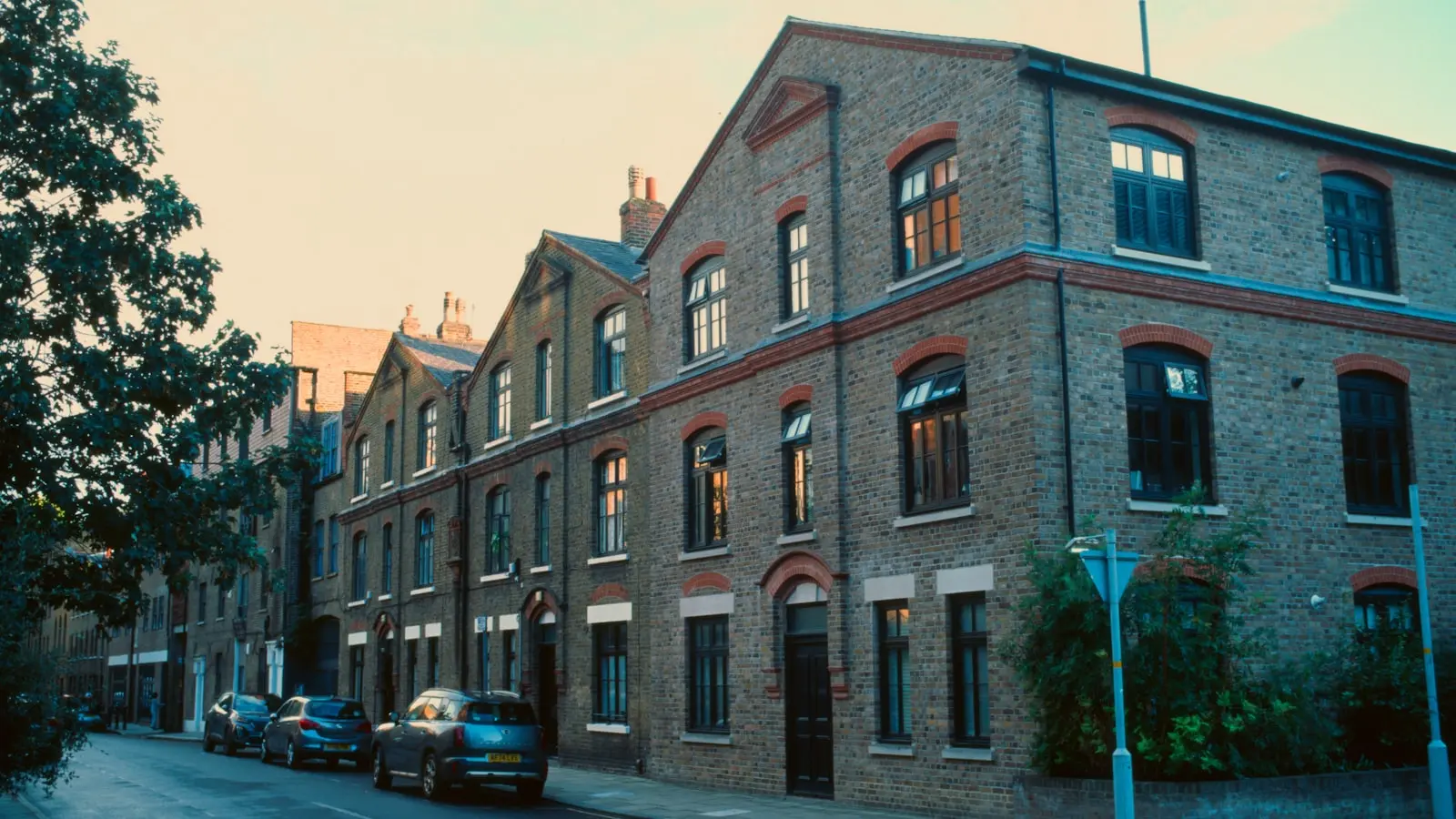
For those seeking deeper integration, the East London short-term rental market offers a counter-narrative. Narrow staircases lead to converted Victorian terraces. Creaking floorboards replace industrial carpeting. The traveler sacrifices the clinical reliability of the corporate chain for the tactile reality of a historic neighborhood. Both avenues drastically reduce capital expenditure. Both require the traveler to adapt to the residential scale of the city. Financial platforms dedicated to budget travel heavily document this outward migration. Contributors analyze the exact trade-off between a morning commute and daily capital preservation. Massive daily financial savings heavily outweigh the minor friction of a short transit ride.
Stratford and the Infrastructure of Savings
Stratford represents engineered urbanism operating at scale. The 2012 Olympics left behind a massive infrastructure footprint that budget hotel chains quickly colonized. Operators constructed vertical silos of affordable bedding across the local postcode. The aesthetics lean toward raw function over historical form. Steel frames and glass panels dominate the skyline. The underlying math remains undeniable. Budget travelers secure rooms here at a steep discount compared to central equivalents.
The Jubilee line swallows commuters and deposits them at the steps of Parliament in twenty minutes flat. Visitors sleep in the shadow of the velodrome and wake up next to Westminster Abbey. The transit system operates as an architectural time machine. It bridges the economic divide between working-class regeneration and aristocratic heritage.
Brixton and the Sensory Economy
South of the river, Brixton pulses at the terminus of the Victoria line. Brick facades absorb the morning damp. Street markets deploy tarpaulins before dawn. Budget travelers landing here trade sterile hotel lobbies for the sharp scent of roasting plantains and rain-slicked concrete. Accommodations cluster around the main arteries, utilizing refurbished terraced houses and independent guesthouses. The savings manifest immediately in daily consumption. Food stalls operate on local margins rather than tourist markups. A dinner of jerk chicken and rice purchased under the railway arches costs the equivalent of a central London pint of beer.
The neighborhood enforces an entirely different sensory baseline. Waking up in Brixton grounds the visitor in the demographic reality of modern Britain. The environment demands participation. Visitors navigate crowded pavements. They listen to sound systems echoing from shop doorways. They interact with an economy that serves residents first and tourists second.
Greenwich and the Maritime Commute
Greenwich bridges the gap between historical weight and modern budgeting. The Cutty Sark anchors the waterfront. The Docklands Light Railway traces the curves of the Thames. Visitors secure rooms in mid-tier chain outposts or rental properties situated slightly inland. They wake up to maritime weather systems rolling off the water. The naval history provides the cultural gravity that budget travelers crave, completely bypassing the central London tax.
To reach the financial district or the West End, one simply rides the automated rails through the glass-and-steel canyons of Canary Wharf. The contrast strikes hard. Moving from the weathered stone of the Royal Observatory into the subterranean transit network highlights the layered history of the capital. Greenwich offers the illusion of distance. The central core remains entirely accessible.
The Mechanics of the Subterranean Transition
The London Underground serves as the great equalizer of this geographic strategy. The deep-level tubes of the Jubilee and Victoria lines function as high-speed circulatory systems. Descending into a Zone 3 station involves a specific architectural ritual. Commuters navigate tiled corridors echoing with the rush of displaced air. The train doors open, absorbing hundreds of individuals into the carriage. The budget traveler stands shoulder-to-shoulder with finance workers, students, and tradesmen. (The isolation of the tourist bus vanishes completely).
This transit time ceases to be a penalty. It becomes a dedicated window into the social fabric of the capital. Twenty minutes underground separates the hyper-local commerce of an outer borough from the monumental scale of Westminster. Waking up in Zone 3 forces the visitor into the slipstream of actual Londoners. They navigate turnstiles. They read discarded morning papers. They absorb the subterranean rhythm of the metropolis. This simple act transforms a trip from passive consumption into active observation. The physical transition resets the mind.
The Financial Verdict
Design shapes behavior, and urban geometry dictates the visitor experience. Central London hotels operate as fortresses of isolation, insulating guests from the very city they came to observe. Outer boroughs dismantle that barrier. Staying in Stratford, Greenwich, or Brixton requires interaction with local grocers, neighborhood transit nodes, and street-level commerce. The budget traveler participates in the local economy rather than merely observing the historical facades. They buy coffee from independent roasters rather than global chains operating out of hotel lobbies. The financial constraint inadvertently builds a superior cultural itinerary.
The economics of modern travel demand flexibility. Inflation strips away the luxury of proximity. Yet, the sprawling efficiency of the London Underground neutralizes the penalty of distance. Zone 2 and Zone 3 provide the necessary architecture for survival in a hyper-inflated market. The smart traveler looks at the soaring rates of Soho and turns their gaze outward. They find shelter in the neighborhoods where London actually happens. They ride the rails inward. They keep their capital intact.