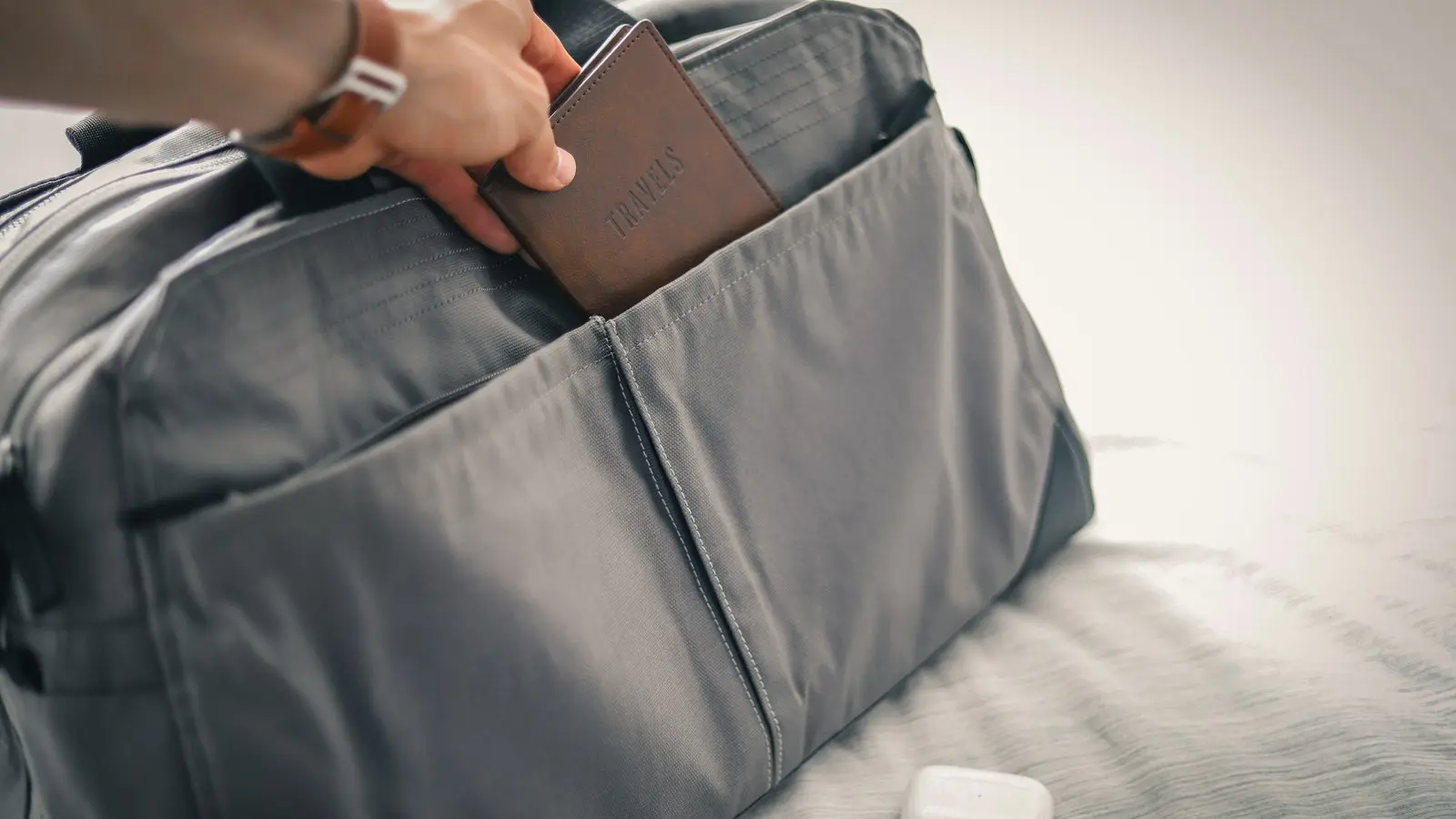
For a one-week trip to Syria, pack for flexibility rather than convenience: secure travel documents, prescribed medication, adaptable modest clothing, comfortable shoes, charging equipment, offline information, cash, and a few supplies for delays. Keep the load compact and low-profile, but do not assume that shops, ATMs, electricity, mobile coverage, or replacement medicines will always be available.
Conditions, entry rules, regional access, customs requirements, and official travel advice can change. Before departure, check current guidance that applies to your nationality, route, accommodation, and itinerary. The list below separates items most travelers should consider from equipment that may require specific confirmation.
Key Takeaways
- Carry your passport, required entry documents, printed copies, and secure offline backups separately.
- Choose adaptable clothing that covers the shoulders and knees, with layers suited to the season and route.
- Keep prescribed medication in original packaging with supporting documentation, and verify import rules in advance.
- Plan for variable electricity, connectivity, payment access, and shop availability with offline information, charging equipment, cash, and delay supplies.
- Confirm current airline, customs, photography, medication, security, and official travel requirements before departure.
Documents, Copies, and Travel Information
Your passport and entry paperwork are the foundation of any Syria travel packing list. Carry your passport, visa or entry authorization, permits, invitation or tour documents where applicable, insurance information, and any paperwork required by your transport provider or itinerary.
Make paper copies of your passport identification page, visa, insurance details, prescriptions, emergency contacts, and key booking information. Also store secure digital copies on your phone and in an account you can access offline. Keep paper copies separate from the originals, so losing one bag does not remove every version of an important document.
A waterproof document pouch is useful for keeping originals, copies, and cash organized. Your day bag should hold the documents you may need during transfers, while less frequently used papers can remain secured in your main luggage or accommodation, according to your guide’s advice.
Save contact details for your local guide, accommodation, transport provider, insurer, emergency contacts, and the relevant embassy or consular service where applicable. Do not rely on a live webpage or a phone contact list alone. Download the itinerary and essential addresses before leaving home.
Immediately before departure, confirm passport-validity rules, visa conditions, border requirements, insurance coverage, and any restrictions affecting your route. Travel insurance may contain exclusions related to official advisories, medical evacuation, conflict, or particular regions, so read the policy wording rather than assuming standard coverage applies.
Clothes for Syria Travel: Adaptable and Respectful Layers
The best clothes for Syria travel are versatile rather than highly specialized. Lightweight, breathable layers can help you adjust to warm days, cooler evenings, changing elevations, air-conditioned vehicles, and different levels of activity. Your final choices should reflect the season and exact destinations on your itinerary, not a single countrywide assumption about weather.
Include clothing that covers the shoulders and knees, along with loose-fitting options that are comfortable for long drives and walking. A lightweight long-sleeved shirt, trousers or a longer skirt, and a scarf or loose outer layer can provide flexibility when visiting religious, historic, or more conservative settings. Expectations may differ between regions and situations, so follow practical guidance from your guide and observe local instructions.
Comfortable walking shoes matter more than extra outfits. Choose footwear that is already broken in and suitable for uneven surfaces. Add sandals or a second lightweight option only if they fit the season, accommodation, and itinerary. If rain or cold weather is possible, include a compact waterproof layer or warmer mid-layer rather than assuming you can buy one locally.
Sun protection can include a hat, sunglasses, and clothing with good coverage. Pack enough underwear and socks for the week, but consider whether laundry will be available. The trade-off is straightforward: packing very light reduces handling and storage problems, while one or two additional adaptable outfits help if laundry, shops, or transport plans are limited.
Avoid clothing with prominent political messages, camouflage-style patterns, or expensive branding when a quieter alternative is available. This is a low-profile packing choice, not a universal legal rule. Check current guidance for the places you will visit, particularly if the itinerary includes sensitive areas or formal checkpoints.
Medication and Personal Health Supplies
Bring prescribed medication for the full trip in its original, labeled packaging. Keep essential medication in carry-on luggage when possible rather than placing it in checked baggage that could be delayed or separated from you. A modest contingency supply may be sensible if medically appropriate and permitted, but do not decide quantities or substitutions without professional advice.
Carry a copy of the prescription or a letter from your clinician when appropriate, using generic medication names as well as brand names. Prepare a written list of doses, allergies, relevant medical conditions, and emergency contacts. This information can be more useful than a brand name if a medical professional needs to understand what you take.
Personal health supplies deserve space in the bag even when they seem ordinary. Consider glasses and a spare pair if you use them, contact-lens supplies, hygiene products, blister protection, basic first-aid items, and any medical device you depend on. Products that are routine at home may be difficult to replace during a guided itinerary or delay.
Do not assume that a prescription, supplement, painkiller, controlled medicine, or medical device is automatically permitted at the border. Import rules can differ by substance and may change. Confirm every medication and relevant device with applicable official authorities and a qualified medical professional before travel. If the answer is unclear, resolve it before packing rather than relying on informal advice.
Power, Connectivity, and Offline Navigation
Pack your phone, charging cables, a suitable plug adapter, and a power bank if current airline and local rules permit it. Keep one charging cable in your day bag and another with your main luggage if you have a spare. A short charging cable can be easier to manage in a crowded vehicle or unfamiliar room than a long one.
Electricity and charging access may vary by location and accommodation. Plan for interruptions rather than assuming a phone can be charged whenever needed. A power bank is useful, but it is not a substitute for checking airline battery rules and keeping essential documents available in another form.
Before departure, download offline maps, translation tools, booking details, addresses, and emergency contacts. Mark the accommodation and meeting points in advance. Save important information as files or screenshots that do not require mobile data. Mobile coverage and internet access can be inconsistent or location-dependent, so navigation should not depend entirely on a live connection.
A phone camera may be convenient, but photography is not automatically appropriate everywhere. Check current instructions before photographing government, military, border, transport, infrastructure, or other sensitive locations. Follow your guide’s directions, but remember that local guidance does not replace applicable law or official restrictions.
Cash and Backup Payment Planning
Build a cash plan before departure instead of assuming cards or ATMs will work throughout the trip. The usable currency, exchange options, card acceptance, ATM access, and cash-import rules can change and may differ by location. Confirm the current position through reliable official or travel-provider guidance for your itinerary.
Carry money in more than one secure location. For example, keep a working amount in a small wallet and a reserve separately, rather than putting all cash in one pocket or day bag. Avoid displaying large amounts, and choose a discreet wallet or money pouch that does not make valuables obvious.
A backup payment option may be useful if it is accepted and permitted, but do not treat any single method as universally reliable. Tell your guide how you prefer to handle currency questions before arrival, and clarify which costs are included in your arrangement. Keep receipts or records where needed, particularly when exchanging money or paying for transport and accommodation.
Water, Snacks, Luggage Strategy, and Restricted Items
A compact refillable bottle can be practical, but how and where you refill it should follow current health guidance and the conditions of your route. Sealed water may be more suitable for some transfers or delays. Do not assume that a filter or purification device makes every water source appropriate; check current guidance before relying on one.
Shelf-stable snacks can help during long transfers, late arrivals, or stretches where food access is limited. Choose small, sealed items and check airline, customs, and destination restrictions before packing food. Snacks should supplement your plan, not encourage you to ignore local instructions about bringing food across borders.
For packing for guided travel, a small, easy-to-carry bag usually works better than several bulky pieces. Use a main bag that you can handle without assistance and a compact day bag for documents, medication, water, phone, charging equipment, and a light layer. Confirm luggage limits and transport arrangements with the guide or tour operator before departure.
Protect passports, medication, electronics, and paper copies in waterproof pouches or resealable bags. Keep critical items accessible rather than in checked luggage. A low-profile bag with reliable zippers is generally more practical than expensive luggage that attracts attention or is difficult to load into a vehicle.
Some items should not be packed without confirmation. These may include drones, professional camera equipment, radios, satellite communicators, large batteries, sharp tools, restricted medicines, politically sensitive material, and equipment intended for professional filming. Check current airline, customs, and local security rules for each item. Do not assume that personal ownership makes an item acceptable to carry or use.
One-Week Syria Travel Packing Checklist for Guided Travel
- Passport, entry documents, permits or invitation paperwork where applicable, and insurance details.
- Printed copies of key documents plus secure offline digital backups.
- Prescribed medication in original packaging, supporting documentation, and personal health supplies.
- Adaptable modest clothing, comfortable walking shoes, underwear, socks, and weather-specific layers.
- Hat, sunglasses, and other practical sun protection.
- Phone, charging cables, permitted power bank, plug adapter, offline maps, translation tools, and backup contacts.
- Cash and permitted backup payment options stored separately.
- Refillable bottle or suitable water plan, plus sealed, delay-friendly snacks where appropriate.
- Small secure day bag, waterproof document pouch, luggage tags, and basic hygiene supplies.
- A final review of official advice, customs rules, transport restrictions, regional conditions, and the guide’s instructions.
What to Verify Immediately Before Departure
Recheck official travel advisories and regional movement guidance, even if you arranged the trip months ago. Confirm that your insurance remains valid for the itinerary and that your guide, accommodation, and transport providers have current contact details.
Reconfirm entry requirements, passport validity, medication permissions, customs rules, airline baggage and battery restrictions, currency arrangements, and photography limits. Check seasonal weather for each destination rather than relying on a national average. Finally, charge your devices, download offline information, separate document copies, and tell a trusted contact where your itinerary is stored.
FAQ
What are the most important Syria travel essentials for one week?
Prioritize valid documents and copies, prescribed medication, adaptable modest clothing, comfortable footwear, charging equipment, offline information, cash planning, and supplies for possible delays. Add seasonal and regional items only after checking the exact itinerary.
Can I bring prescription medication to Syria?
Do not assume that a prescription makes importation permissible. Confirm the rules for every medication, supplement, and medical device with applicable official authorities and a qualified medical professional. Keep permitted medication in labeled original packaging with supporting documentation.
What should I avoid packing for Syria?
Do not carry unconfirmed restricted medicines, drones, radios, satellite devices, sharp items, excessive valuables, or politically sensitive materials. Professional cameras and other communications equipment may also require confirmation. Check current airline, customs, photography, and local security rules before packing or using them.