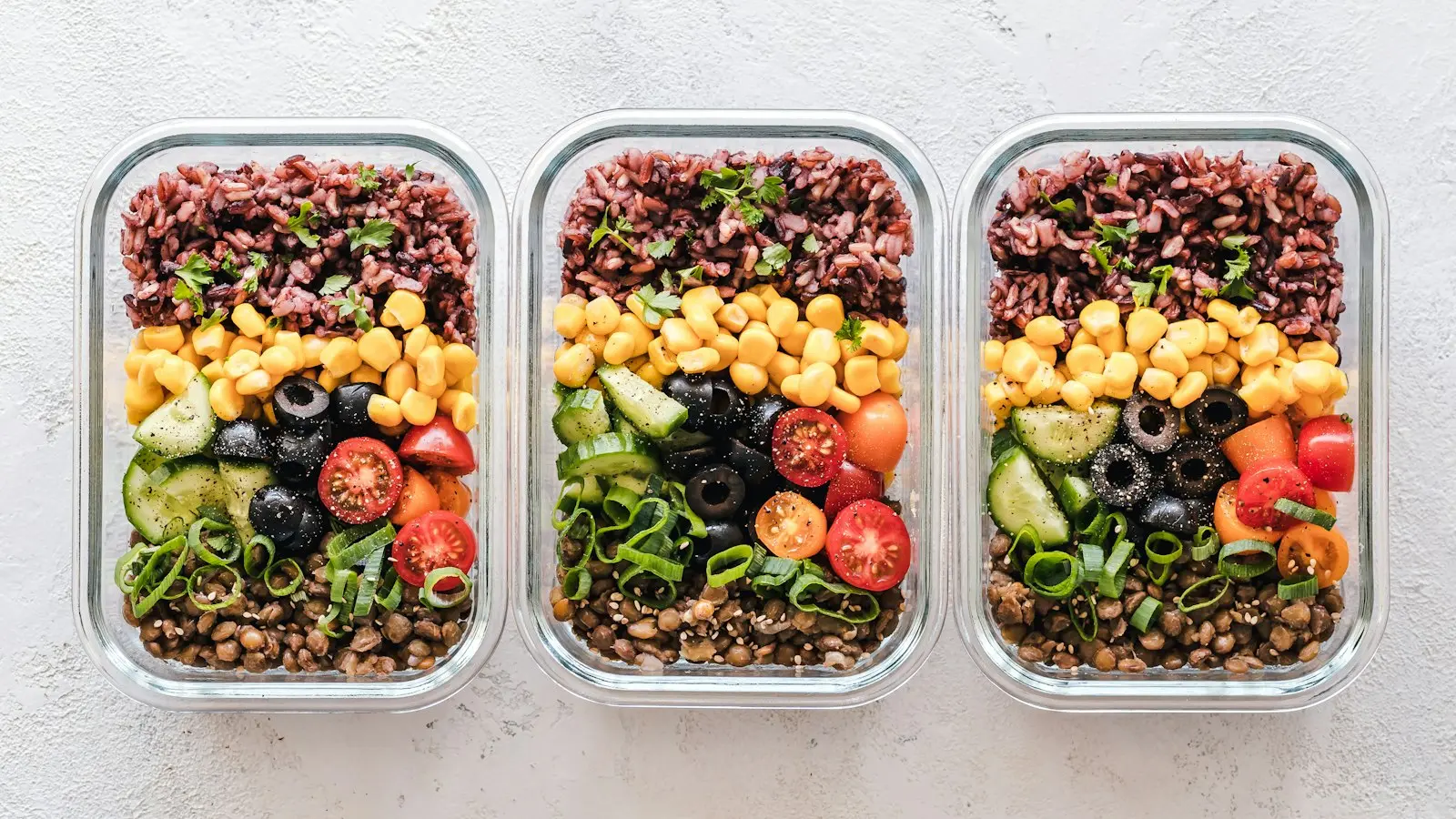
The best meal prep containers are the ones that suit your routine, not one material that wins every category. For strong-smelling foods such as curry, garlic, fish, and tomato sauce, smooth glass is usually least likely to retain odors, while food-grade plastic is often more practical for commuting because it is lighter and less fragile. Stainless steel works well for transport when microwave reheating is not needed, and silicone is useful when collapsible or flexible freezer storage matters.
The details matter more than the label. A container’s lid, gasket, vent, shape, and care instructions can determine whether it leaks or smells long before the container body does. Microwave, freezer, oven, and dishwasher compatibility also vary by model, so treat those claims as product-specific.
Key takeaways
- Choose glass for odor-prone foods and home reheating when its weight and breakage risk are manageable.
- Choose lightweight plastic for commuting, large meal-prep sets, and situations where drop resistance matters.
- Stainless steel is durable and odor-resistant but generally unsuitable for microwave reheating.
- Silicone helps with collapsible or flexible storage, but its seal and appliance limits vary by product.
- The lid, gasket, cleaning routine, and manufacturer instructions matter as much as the container material.
Quick comparison of the best meal prep containers by use case
| Use case | Most practical choice | Main advantage | Main compromise |
|---|---|---|---|
| Office lunches and commuting | Lightweight plastic or secure-seal glass | Plastic is easy to carry; glass handles odors well | Plastic may stain; glass is heavier and breakable |
| Batch cooking and leftovers | Stackable glass or durable plastic | Good organization and repeated use | Glass adds shelf and carrying weight |
| Freezer portions | A container specifically labeled freezer-safe | Designed for low temperatures | It may not be approved for direct reheating |
| Microwave meal prep | Approved glass or microwave-safe plastic | Convenient reheating | Lids often need venting or removal |
| Strong-smelling foods | Glass with a removable, washable seal | Lower odor and stain retention in many designs | Glass can be heavy; the lid may still hold smells |
| Snacks and dry foods | Compact plastic, silicone, or stainless steel | Lightweight and easy to pack | Some designs are not suitable for liquids or reheating |
For weekly home cooking, glass is often worth considering if you reheat meals in the same container and regularly store sauces. For a daily train, bicycle, or school commute, lightweight plastic may be the better choice simply because a container left at home is not useful. A mixed set is often more sensible than buying a large collection of one type.
Glass versus plastic food containers
Glass is attractive for odor-resistant meal prep because its smooth surface generally absorbs fewer smells and stains than many plastics. That makes it a good match for tomato-based dishes, heavily spiced stews, fish, and garlic-rich leftovers. It is also easy to inspect for residue, and many glass containers are designed for refrigerator-to-microwave routines when the manufacturer permits that use.
Glass does not guarantee an odor-free experience. A silicone gasket, valve, or plastic lid can retain smells even when the glass body does not. When the design allows it, remove the seal and clean it separately; otherwise, food oils can remain trapped in the lid channel.
The trade-off is weight. A glass container can make a packed lunch noticeably heavier than a similar plastic one, and dropping it may damage the container, the floor, or both. Glass sets may also cost more initially, although their value can be good when they remain useful through years of regular storage. Sudden temperature changes are another concern. Do not move hot glass directly into a very cold environment, or frozen glass directly into heat, unless the product instructions specifically allow that transition.
Plastic is the practical choice when portability, quantity, and drop resistance matter. A large weekly set is easier to carry, stack, and distribute among family members when the containers are lightweight. Plastic also comes in flexible shapes, divided compartments, and inexpensive sizes for snacks, ingredients, and single portions.
Its weaknesses are familiar: some plastics stain, retain aromatic foods, become cloudy, or pick up scratches after repeated use. Abrasive sponges can make that wear worse. Lids may also warp or lose their fit after repeated dishwasher cycles, depending on the plastic and design.
Food-grade or BPA-free labeling is useful information, but it does not prove that a container is suitable for every temperature or appliance. Check the product’s actual microwave, freezer, dishwasher, and food-contact instructions. Material safety is not a simple glass-versus-plastic verdict; intended use, heat exposure, condition, and the entire product design matter.
Stainless steel and silicone: where they fit
Stainless steel is a strong option for commuters, packed snacks, sandwiches, and foods that will be eaten cold or reheated elsewhere. The body is generally resistant to staining and does not tend to absorb food odors in the same way as some plastics. It is also a good choice when breakage is a concern.
The obvious limitation is the microwave. Stainless steel containers should not be microwaved unless the manufacturer explicitly provides a compatible design and instructions; for ordinary meal prep, assume they are not microwave containers. They also hide the contents, so labeling becomes more important, and leak protection depends on the lid and gasket rather than the steel itself.
Silicone is useful when storage space is tight. Flexible containers can collapse after use, fit awkward freezer spaces, and handle selected microwave or freezer applications. Their soft walls can also be forgiving in a crowded bag.
But flexibility can work against transport. A silicone container may offer less protection to delicate food, and its seal can be less dependable if the rim is bent or the lid is not seated evenly. Odor retention varies by product and by the lid or valve materials. Confirm the specific appliance limits rather than assuming that all silicone containers are interchangeable.
In all four categories, the body is only part of the system. The lid, gasket, vent, clips, coatings, and adhesives may have different temperature limits and cleaning instructions. Those parts are often where leaks and lingering smells begin.
Odor-resistant, leakproof, and appliance-safe design features
For odor-resistant meal prep, look for smooth surfaces, few grooves, removable seals, and lids that can be fully opened for washing. A container with a complicated valve may create a stronger seal, but it also creates more places for grease and food particles to hide. Prompt cleaning matters as much as material choice.
Lid designs vary considerably. Snap-lock corners can provide reassuring closure when all sides are engaged. Compression seals rely on an even gasket around the rim. Threaded lids are common on jars and some compact containers, while vented lids are designed to release steam during reheating. Divided lids can help keep dry foods separate, but compartments do not automatically stop liquids from moving between sections.
“Leakproof” is a product-specific performance claim, not a permanent property of a material. It depends on closing every latch correctly, keeping the gasket clean, avoiding overfilling, and carrying the container in the orientation intended by the manufacturer. Thin sauces and soups are a tougher test than dry rice or roasted vegetables.
For commuting, choose rigid walls, secure locking points, a gasket that can be inspected, and a size that leaves some room without allowing the meal to slide around. If the container will travel in a bag, place liquids inside a second barrier even when the product is advertised as leakproof. That extra protection can prevent a damaged laptop.
Freezer-safe food storage requires headspace. Food, particularly liquid-heavy meals, expands as it freezes, so do not fill a container to the rim. Leave a clear gap beneath the lid, with more space for soups and sauces, and follow the container’s instructions for filling and thawing. Freezer-safe does not automatically mean safe for direct transfer to a microwave or oven.
For microwave meal prep, verify microwave approval and follow the lid directions. Some lids must be removed; others must be loosened or opened at a vent. Stir food where appropriate so heating is more even, and never assume that an oven-safe glass body makes its lid oven-safe. Stainless steel should generally be kept out of the microwave.
Cleaning, food freshness, and long-term value
Odor prevention begins when the meal is finished. Remove food residue promptly, separate the lid from the container, and wash the gasket, valve, and lid channels rather than wiping only the visible surface. Let parts dry separately before reassembly; sealing damp components can leave behind both moisture and smell.
Use the manufacturer’s cleaning guidance, especially for silicone seals, printed markings, and plastic lids. Dishwasher heat and detergent can gradually affect clarity, fit, and flexibility, even when a product is dishwasher-safe. “Dishwasher-safe” describes intended use, not a promise that the container will look or seal exactly the same forever.
Avoid abrasive cleaning that scratches plastic or damages a gasket. If an odor remains, disassemble every removable part and clean it according to the product instructions. A scratched surface is harder to clean thoroughly, while a warped lid may no longer close evenly.
Containers also do not replace proper food handling. Cool cooked food promptly, refrigerate it appropriately, reheat it according to recognized food-safety guidance, and do not treat an airtight seal as a guarantee of freshness. A container controls mess and exposure; it does not make old food safe indefinitely.
Replace a container or component when it is cracked, badly scratched, persistently stained with residue, warped, or unable to seal. Persistent odor is not always a safety problem, but it is a sign that the material or gasket is no longer working well for your routine. Check whether replacement lids and seals are available before buying an expensive set; replacing one gasket is better value than discarding an otherwise useful container.
How to choose the right set for your routine
Choose glass for home batch cooking, saucy leftovers, and odor-prone meals when the extra weight and breakage risk are manageable. It is particularly convenient if you want to store and reheat food in the same vessel, provided the model’s instructions allow that sequence.
Choose lightweight plastic for daily commuting, large family sets, divided lunches, and situations where a dropped container is likely. Look for clear appliance labeling, a dependable gasket, and a lid that does not require excessive force to close. Replace it when scratches, stains, or lid wear begin to interfere with cleaning or sealing.
Choose stainless steel for durable transport, snacks, salads, and cold meals when microwave reheating is not part of the plan. Choose silicone when collapsibility, flexible freezer storage, or compact cupboards are more important than rigid protection.
A mixed set is often the most useful arrangement: glass for leftovers and strong-smelling meals, plastic for the commute, stainless steel for snacks, and a small silicone container for awkward freezer spaces. Before buying, check capacity, compartments, seal design, removable-gasket access, freezer and microwave labeling, dishwasher instructions, stackability, replacement parts, and compatibility with the meals you actually cook.
Frequently asked questions
Are glass meal prep containers better than plastic for avoiding food odors?
Usually, glass is less likely to retain odors or stains in the container body, which makes it a strong choice for curry, garlic, fish, and tomato sauces. It is not odor-proof: lids, gaskets, and valves can still hold smells. Cleaning those parts separately is essential.
Can meal prep containers go from the freezer directly into the microwave?
Not automatically. A freezer-safe label only addresses the product’s use at low temperatures and does not necessarily approve a direct freezer-to-microwave transition. Check the model’s instructions, leave room for expansion, and use the specified thawing or reheating method.
What makes a meal prep container genuinely leakproof for commuting?
A dependable design usually combines an even gasket with secure locking points, a rigid rim, and a lid that closes fully without distortion. Correct filling and closure matter just as much. Test a new container with water at home, and carry liquid meals in a secondary barrier until you trust its performance.