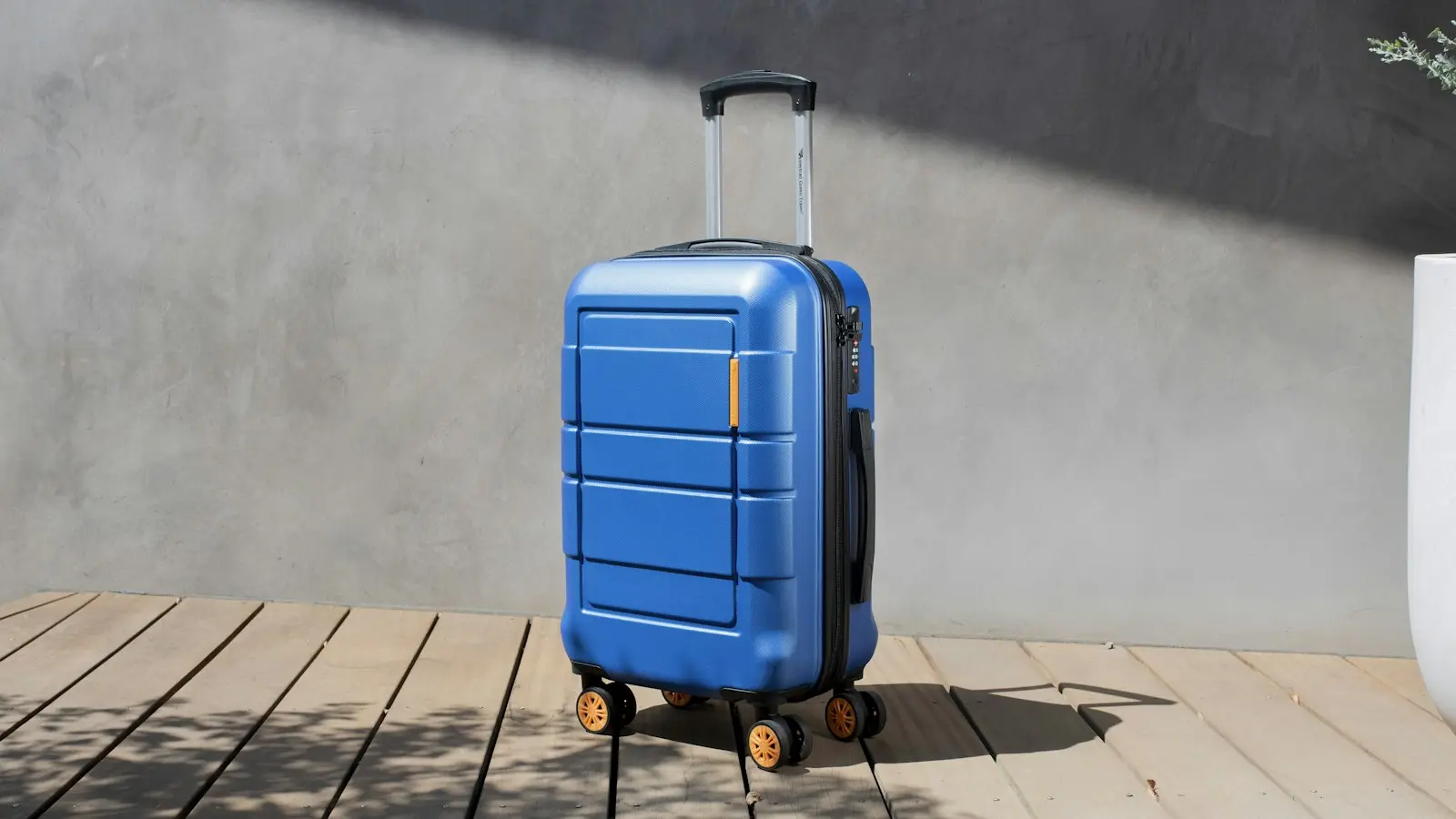
Cheap carry-on travel usually means choosing the smallest baggage allowance that genuinely fits your trip, not automatically choosing the cheapest advertised fare. A personal-item-only ticket can be the lowest-cost option for a short, casual journey. But a paid carry-on or checked bag may be better value for cold weather, business clothing, sports equipment, or a longer trip.
The practical method is simple: check the operating airline’s rules, add every likely fee to the advertised fare, and then pack around the exact space and weight limit. That approach helps you avoid checked bag fees without turning the airport into a last-minute luggage negotiation.
Key Takeaways
- Compare the total price of a personal-item fare, a paid carry-on, and a checked bag before booking.
- Check the operating airline, fare type, route, aircraft, dimensions, and weight rules; no single carry-on standard applies everywhere.
- Choose the smallest bag that fits the strictest rule on your itinerary, and measure and weigh it when fully packed.
- Pack for the trip’s purpose, weather, activities, and laundry access rather than for a fixed number of days.
- Keep medication, identification, valuables, electronics, spare batteries, and essential clothing accessible in the cabin.
1. Start With the Airline’s Actual Baggage Allowance
A personal item and a standard carry-on are not the same thing. A personal item is generally the smaller bag intended to fit beneath the seat, such as a compact backpack, tote, or laptop bag. A standard carry-on is the larger bag intended for the overhead bin.
The distinction matters because a basic or budget fare may include only one personal item. Another fare on the same airline may include an overhead-bin bag, or may let you add one for a separate charge. The rules can also vary by route, aircraft, fare family, loyalty status, and whether another airline operates one segment of the journey.
Before buying, check the baggage page for the exact itinerary and fare. Look for four details:
- The permitted dimensions for a personal item and overhead carry-on
- Whether wheels, handles, and outer pockets count toward those dimensions
- Any weight limit and where it is measured
- Whether the bag is included, paid, restricted, or subject to priority boarding
Do not rely on a generic label such as “airline-approved.” A bag that fits one carrier’s overhead allowance may be too deep for another, while a small roller may not be included in the lowest fare at all. Enforcement can also vary by airport, but planning around inconsistent enforcement is a poor way to save money.
Personal-item-only travel offers the lowest possible luggage cost and is often convenient for a one- or two-night trip. The trade-off is a much tighter space constraint. An included or paid carry-on gives you more room for clothing and toiletries, but the extra fare can eliminate the saving. A checked bag may be the sensible choice when the alternative involves buying bulky clothing, paying for excess baggage, or struggling with a bag that cannot meet the rules.
2. Calculate the Real Cost of Carry-On-Only Travel
Compare the complete price rather than the headline fare. A useful formula is:
Total trip cost = base fare + required bag fees + seat selection + priority or boarding fees + likely gate-check costs.
You do not always need to pay for a seat or priority boarding, but include those charges if they are part of your likely purchase. Some travelers add priority simply to improve their chances of finding overhead space; in other cases, a carry-on may be sold separately. The point is to compare like with like.
Make three totals before booking:
- The cheapest fare with only a personal item
- The fare or add-on that permits a standard carry-on
- The fare with a checked bag, including any return-flight charge
The personal-item option is often cheapest for a short, flexible trip with mild weather and laundry available. A paid carry-on can become better value when its price is close to a checked bag but saves time at baggage claim and keeps essential items with you during connections. A checked bag can win when the trip requires formal clothes, heavy outerwear, specialist equipment, or multiple pairs of substantial shoes.
There are also costs that do not appear on the baggage screen. An unsuitable bag may need to be replaced. An overstuffed case may be gate-checked, leaving you without access to its contents during a connection. A small bag may force you to buy toiletries or clothing at your destination. These are not guaranteed expenses, but they belong in the practical comparison.
The cheapest ticket is not necessarily the cheapest journey. If a personal item forces you to pay for laundry several times, buy a coat, or abandon souvenirs, the apparent saving has narrowed. Conversely, paying for an overhead bag for a two-night warm-weather trip may be an unnecessary upgrade.
3. Choose a Bag That Fits the Strictest Likely Rule
Choose luggage based on the airline’s published exterior dimensions, not capacity alone. Measure the packed bag, including wheels, handles, feet, compression panels, and full outer pockets. Leave a small margin rather than treating every available millimeter as usable space.
Expandable luggage deserves special caution. Expansion can make a case deeper than the permitted limit, even if it meets the dimensions when zipped closed. Overpacking can have the same effect. A soft-sided bag may compress slightly, but it should not be treated as permission to exceed the posted size.
For personal-item travel, compare a travel backpack, soft tote, and compact under-seat case. A backpack may be easier to fit beneath a seat and carry across a terminal, while a structured case can protect electronics and organize clothing. For an overhead carry-on, a small roller is convenient on smooth floors, but a backpack may weigh less and avoid some lost interior space around wheels and a telescoping handle.
Prioritize the features that affect the total cost of travel:
- Low empty weight, especially where the airline has a weight limit
- Dimensions that fit the strictest airline on the itinerary
- Durable zippers and handles rather than decorative compartments
- A shape that uses space efficiently
- Easy access to documents, medication, and electronics
There is no universally compliant carry-on. Airline rules, aircraft bins, routes, and fare types differ. Before departure, weigh the fully packed bag at home and check its exterior measurements. If you are connecting between carriers, use the most restrictive allowance unless the booking clearly states otherwise.
4. Use a Realistic Carry-On Packing System
Build a carry-on packing list around the purpose of the trip, the forecast, and access to laundry. Counting days alone encourages overpacking; a five-day trip with laundry may need fewer clothes than a three-day business trip with a formal event.
For a short casual trip, start with interchangeable pieces rather than a different outfit for every day. A practical capsule might include two or three tops, two bottoms, underwear and socks for the planned interval, sleepwear, one light layer, and one versatile pair of shoes. Wear the heavier shoes and outer layer while traveling, provided they are comfortable for the journey.
For a longer trip, plan a wash rather than adding a complete second wardrobe. Laundry might mean a hotel service, a laundromat, a sink wash, or access to a friend’s machine. Pack clothing that dries reasonably easily, and allow enough time for it to dry before you need it. This strategy reduces volume, but it is not free: laundry costs time, money, or both.
Cold weather changes the calculation. Coats, boots, thick sweaters, and gloves take far more space than warm-weather clothing. Wear the bulkiest practical layers, but do not assume that wearing everything is comfortable or workable during a long journey. If the trip requires snow gear or multiple specialized layers, compare the cost of checking a bag with the cost and inconvenience of compressing unsuitable clothing.
Business travel calls for a different capsule. Choose wrinkle-resistant pieces that can combine into several outfits, and limit extra shoes because footwear consumes disproportionate space. A garment folder or careful rolling may reduce creases, but neither removes the need to control volume.
Sports and outdoor trips can make carry-on-only travel unrealistic. Helmets, boots, rackets, protective equipment, camping gear, and specialist clothing may have separate airline rules or fees. Check those policies before booking rather than discovering at the airport that equipment cannot be treated as an ordinary bag.
Keep toiletries compact and use refillable containers only where permitted by the applicable security rules. A small pouch is easier to inspect than a collection of loose bottles. Pack chargers, cables, and adapters together, but avoid carrying duplicate electronics unless the trip genuinely requires them.
Essential medication, identification, valuables, and a basic change of clothes should remain accessible in the cabin. If your overhead bag is gate-checked, these are the items you will most want to have with you. Leave some empty capacity if you expect souvenirs; otherwise decide in advance that purchases must be small, consumable, or shipped separately.
5. Avoid Fees and Problems at the Airport
Recheck the allowance shortly before departure. Baggage fees, fare inclusions, aircraft assignments, and enforcement procedures can change, and a codeshare itinerary may display more than one airline’s rules. The operating carrier and the specific booking details matter.
Measure and weigh the final bag, not the empty bag. Include wheels, handles, outer pockets, and anything attached to the exterior. If the bag is over the published limit, the likely outcomes can include an added charge, removal of items, or transfer to the hold at the gate. The exact process varies by airline and airport.
Security rules are also itinerary-specific. Liquid restrictions, exemptions, prohibited items, battery requirements, and medication procedures can differ by country, airport, and security authority. Check the current instructions for both departure and connecting airports rather than assuming a rule from a previous trip applies everywhere.
Power banks and spare lithium batteries may need to remain in the cabin under applicable aviation rules rather than being placed in checked luggage. Keep them protected from damage and follow the carrier’s instructions. Medication should remain accessible and be packed according to the relevant travel requirements; if it needs special handling, confirm that before departure.
The quick decision rule is this: choose personal-item-only travel for a short, flexible trip with light clothing and manageable weather. Pay for a carry-on when it costs less than the restrictions and likely extras of a personal item. Check a bag when cold-weather clothing, formalwear, equipment, trip length, or mobility needs make the smaller allowance more expensive in practice.
Frequently Asked Questions
Is it cheaper to travel with a personal item or a carry-on?
A personal item is usually cheaper when it is included in the lowest fare and the trip fits within its space. A paid carry-on can be cheaper overall when the personal-item limit would lead to extra purchases, laundry, or an oversized-bag charge. Compare the full fare and likely costs for your specific itinerary.
How do I know whether my bag will fit a budget airline’s carry-on rules?
Check the operating airline’s current baggage page for the exact fare and route. Measure and weigh the packed bag, including wheels, handles, and pockets. Do not assume a generic carry-on size or a product label guarantees compliance.
What should I pack in a carry-on instead of checking it?
Keep identification, medication, valuables, electronics, essential chargers, and a change of clothes accessible in the cabin. Pack liquids and batteries according to the applicable security and airline rules. Bulky clothing, sports equipment, and specialist items need a separate cost comparison because they may make checking a bag more practical.