Spring around Almaty rewards flexible packing. The city may call for light layers and comfortable walking clothes, while a mountain viewpoint, lake track, or canyon can bring wind, mud, lingering snow, intense sun, and colder evenings on the same trip.
The best answer to what to pack for Almaty spring is not one heavy jacket or a suitcase full of outfits. Build around a moisture-managing base layer, a warm mid-layer, a weather-resistant outer layer, reliable trail footwear, sun protection, and a small overnight system. Your exact list should also reflect whether you are joining an organized tour, hiring a private driver, or carrying everything independently.
Key Takeaways
- Pack adaptable layers rather than separate outfits for the city, mountains, lakes, and canyon.
- Make broken-in, grippy trail shoes your default for uneven, muddy, or potentially snowy ground.
- Carry sun, wind, water, medication, offline information, and weather protection in a daypack.
- Confirm what a yurt stay supplies before bringing bedding, towels, or bulky sleep equipment.
- Check date-specific weather, road, trail, permit, and access conditions before departure.
1. Build Your Almaty Spring Packing List Around Changing Conditions
Separate the itinerary into four environments: Almaty city, elevated mountain stops, lake areas, and exposed canyon routes. Calendar spring is only a starting point. Elevation, shade, wind, recent precipitation, snowmelt, and the time of day can change what feels comfortable and what is practical to wear.
For a versatile worn outfit, start with a breathable base layer. A synthetic or merino-style shirt can manage perspiration better than cotton during a long walk, particularly when conditions shift between sun and cold wind. Add a fleece, light insulated jacket, or similar mid-layer that can be removed and packed quickly.
The outer layer should block wind and handle light rain or wet snow, but water resistance is not a guarantee of staying dry. A shell is most useful when it lives in your daypack until the weather turns, rather than remaining at the bottom of your main luggage.
Choose trousers that allow a full stride and can tolerate dust, mud, and contact with rough ground. Stretch hiking trousers are a useful compromise: they look acceptable in the city but are more practical for uneven paths than jeans or delicate travel clothing. Pack one lighter urban outfit for restaurants and city sightseeing if your itinerary justifies the space.
A compact beanie or warm hat, light gloves, and a neck covering are worth carrying for higher or exposed stops. At the same time, include a breathable shirt or lighter layer for sunny walks at lower elevations. The trade-off is bulk: rather than packing separate outfits for every stop, take layers that work together and wash or air-dry easily.
Before leaving, check date-specific forecasts for Almaty, Big Almaty Lake, Kaindy Lake, and Charyn Canyon separately. Also check current access information. A forecast cannot tell you whether a road, trail, viewpoint, or transfer is operating, and spring conditions can change the practical route.
2. Choose Footwear for Charyn Canyon, Lakes, and Uneven Trails
For a mixed itinerary, one pair of broken-in hiking shoes or trail shoes is usually the most efficient choice. Look for a secure fit, a stable sole, and enough grip for uneven ground. They should be comfortable for walking and driving days alike, since changing shoes beside a vehicle is not always convenient.
Kaindy Lake clothing and footwear need to account for wet ground, mud, rough paths, and possible snowmelt rather than just the appearance of the lake. Big Almaty Lake visits may also involve cold, wind, or damp surfaces even when the city feels mild. Charyn Canyon adds a different challenge: exposed walking, loose or uneven ground, dust, and stronger sun can all affect comfort.
Water-resistant or waterproof footwear can help where wet conditions are expected, but no boot keeps feet dry if water enters from above or the shoe is submerged. Fast-drying shoes may be preferable for some itineraries, especially when you cannot dry heavy boots overnight. The right choice depends on the forecast, route, transport, and whether you are walking a short viewpoint path or spending hours outdoors.
Pack moisture-managing socks and at least one spare pair in your daypack. A dry pair can make a significant difference after a damp morning or muddy route. Lightweight gaiters are optional for travelers expecting persistent mud, loose gravel, or wet vegetation, but they are not essential for every organized excursion.
Smooth-soled sneakers, brand-new boots, loose sandals, and high heels are poor default choices for exposed or uneven routes. New footwear can create blisters before the trip is over, while sandals leave feet vulnerable to dust, stones, cold, and unstable footing.
Traction devices should be conditional, not automatic. Check current snow and ice conditions and ask the operator or local guide whether they are appropriate for the intended route. Carrying specialist equipment that is not needed adds weight, but assuming a clear trail without checking can leave you underprepared.
3. Pack Sun, Wind, Water, and Personal Safety Essentials
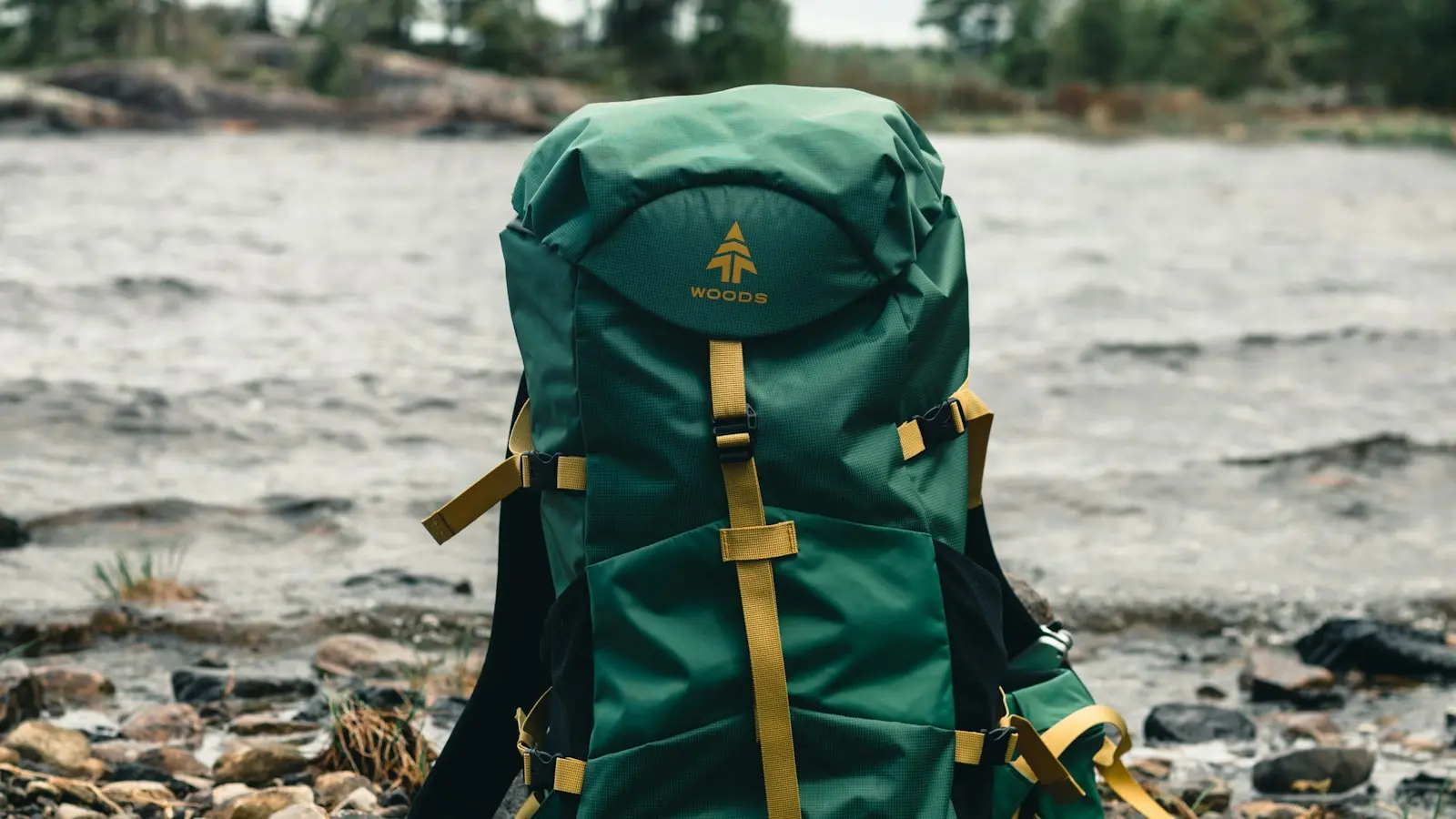
Use a small daypack with enough room for an extra layer, water, snacks, medication, documents, and electronics. A pack with a comfortable waist or chest strap is useful when walking on uneven ground, while a rain cover or liner helps protect its contents during sudden weather.
Sun protection belongs in the bag even on cold days. Pack sunglasses, sunscreen, lip protection, and a brimmed hat or cap. Bright conditions, reflective snow, and exposed canyon terrain can make sun discomfort noticeable before the air feels warm. A hat also provides useful protection from wind and dust.
For water, carry a reusable bottle or bladder with the capacity needed for the next confirmed section of your route. Do not plan around an assumed refill point. Ask the tour operator, accommodation, or driver where water will be available, and verify whether a particular stretch requires bottled or treated water. If the route is remote or the itinerary changes easily, a larger capacity may be sensible; if transfers and reliable stops are included, you may not need to carry all of the day’s supply from the city.
The same principle applies to food. Pack compact snacks such as nuts, dried fruit, crackers, or energy bars for delays and long transfers, but confirm whether meals are included and where food can be purchased. Snacks are a buffer, not a substitute for planning the route’s actual meal arrangements.
A small first-aid kit should cover ordinary travel annoyances rather than suggest that remote travel is risk-free. Include blister care, basic wound supplies, hand sanitizer, tissues, and any regular medication. Keep prescribed medication in its original packaging and carry enough for the trip, with an appropriate backup plan if transport or weather disrupts the schedule.
A dry bag or waterproof pouch is useful for a phone, passport, cash, spare socks, and camera equipment. Add a power bank, the cables you actually use, and an offline copy of reservations, directions, transport details, and emergency contacts. Mobile coverage and charging access may vary by route, so avoid making your phone the only copy of essential information.
4. Prepare a Flexible Sleep System for a Yurt Night
Yurt-night essentials begin with a question to the provider: what is actually supplied? Bedding, towels, heating, electricity, lighting, toilets, meals, and luggage storage can vary between properties and seasons. Do not assume that a traditional-looking stay has the same facilities as another camp.
For most travelers, warm sleepwear, dry socks, and a fleece or light insulated layer are the most useful additions. Keep one complete dry outfit separate from your walking clothes. If the day ends with wet or muddy trousers and shoes, you do not want your only warm clothes to be damp as well.
Earplugs, an eye mask, a headlamp, and a compact toiletry kit are inexpensive comfort items that take little room. A headlamp is particularly useful if lighting is limited or facilities are separate from the sleeping area. Bring tissues and personal hygiene items rather than relying on every accommodation to provide them.
A sleeping-bag liner or compact travel blanket can make sense when the provider confirms basic bedding or when expected overnight conditions are cold. A full sleeping bag is a much larger commitment. Ask about bedding, heating, and the transport arrangement before packing one; organized tours may provide equipment or make bulky luggage awkward, while independent travelers may prefer the extra control.
Keep wet footwear and muddy outer layers away from clean sleepwear. A plastic or washable packing bag can separate dirty items inside your luggage, although it should not be used to seal damp clothing for several days without airing it out.
5. Use a Transport- and Access-Aware Packing Checklist
The same itinerary produces different packing needs depending on how you travel. On an organized tour, confirm the luggage limit, included equipment, meals, water arrangements, transfers, and guide support. If the operator supplies bedding, walking poles, or other equipment, do not duplicate it without a reason.
A private driver gives you more room to leave a suitcase in the vehicle, but it does not eliminate the need for a daypack. Keep the day’s layers, water, snacks, medication, documents, and electronics with you rather than assuming you can return to the car at short notice. Use separate bags for muddy footwear and wet clothing so clean luggage remains manageable.
Independent travel usually requires more contingency capacity. You may need additional water, navigation backups, food, warm layers, and a plan for a delayed or altered route. That does not mean carrying expedition equipment by default; it means allowing for fewer convenient services and confirming the next reliable stop before setting out.
Before departure, check current opening status, road conditions, permits, restricted areas, vehicle requirements, guide rules, and trail access for Big Almaty Lake, Kaindy Lake, and Charyn Canyon. Verify whether snow, mud, flooding, construction, conservation measures, or transport limitations affect your intended visit. Access information can change independently of the city forecast.
A final checklist should include layered clothing, broken-in trail footwear, spare socks, sun and wind protection, water, snacks, regular medication, basic first aid, identification and booking details, charging cables, a power bank, a dry bag, and confirmed overnight items. Remove anything that duplicates equipment already supplied.
FAQ: What to Pack for Almaty in Spring
What is the most important item on an Almaty spring packing list?
Adaptable layers and reliable footwear usually matter more than a large selection of separate outfits. Their importance changes with the itinerary: a city-focused trip needs less trail equipment, while lake, mountain, and canyon stops make grip, warmth, and weather protection more important.
What should I wear to Kaindy Lake and Big Almaty Lake in spring?
Wear a breathable base layer, a warm mid-layer, and a wind- or rain-resistant outer layer, with secure trail shoes and spare socks. Add sunglasses, sunscreen, a hat, and a dry layer in your pack. Check the forecast, road access, and trail conditions for your date instead of relying on a general spring expectation.
Do I need a sleeping bag for a yurt night near Almaty?
Not necessarily. It depends on the yurt provider’s bedding, heating, facilities, transport plan, and expected overnight conditions. Confirm what is included before carrying bulky equipment; a liner, warm sleepwear, and dry socks may be sufficient for one stay, while a more independent or basic arrangement may justify additional insulation.