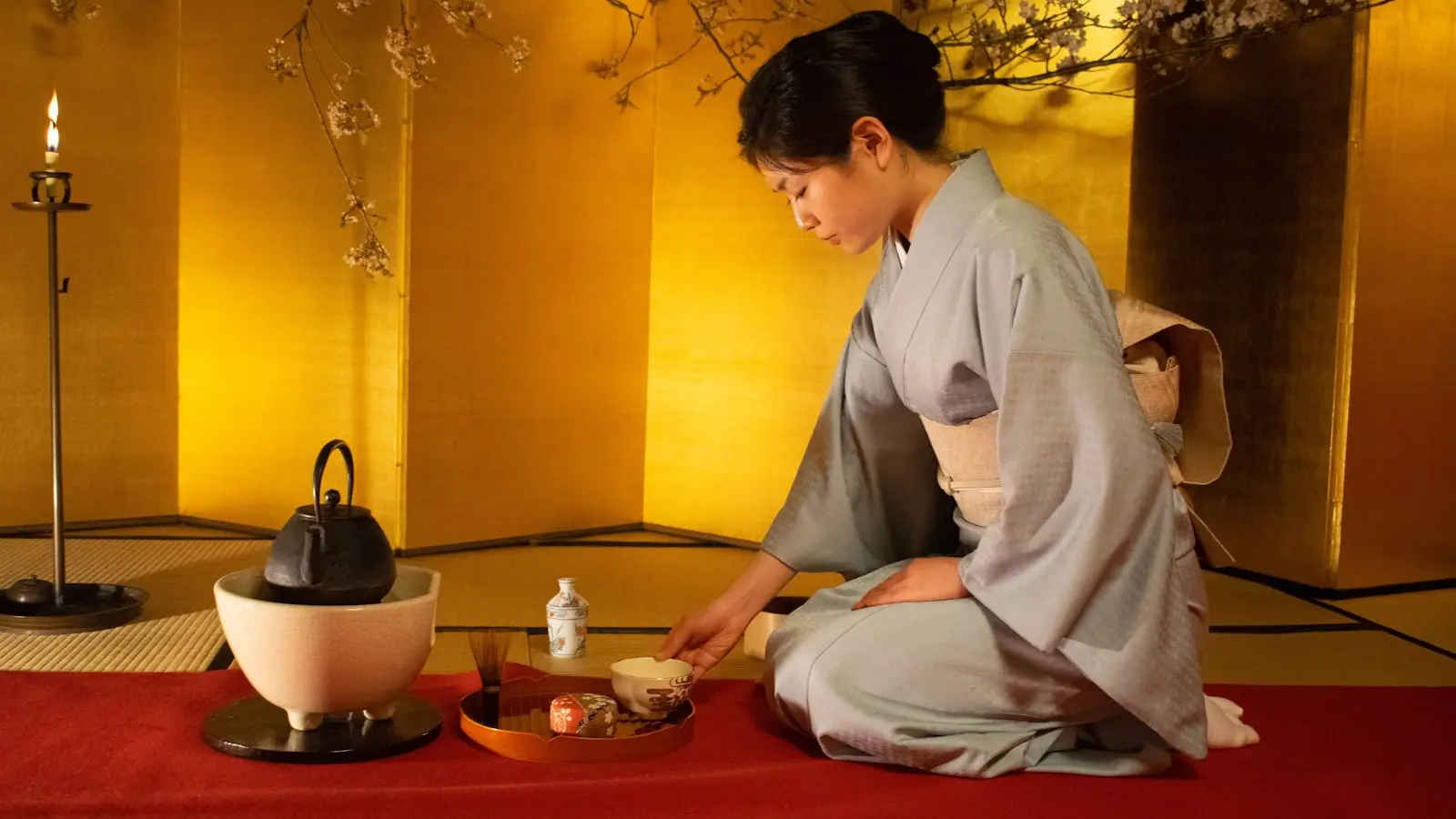
A Japanese ryokan stay can cost several hundred dollars per night, yet many travelers leave feeling it was money well spent. The value lies in a complete package that a standard hotel cannot replicate: a private tatami room, multi-course kaiseki dinner, traditional breakfast, access to natural hot springs, and a level of hospitality that anticipates needs before they arise. Choosing between a luxury business hotel and a ryokan like Kajikaso Hotel in Yamanaka Onsen comes down to what kind of experience matters most. This article breaks down the tangible and intangible elements that justify the premium, helping you decide whether a ryokan stay aligns with your travel priorities.
Key Takeaways
- Ryokan pricing is per person and includes two meals and onsen access; the all-inclusive structure often matches or beats the cost of a hotel plus separate dining.
- Tangible benefits: spacious tatami rooms, high-end kaiseki cuisine, and mineral-rich hot springs. Intangible value: omotenashi hospitality and deep cultural immersion.
- A two-night stay is recommended to fully appreciate the slower rhythm and explore the surrounding onsen town.
- The experience suits travelers who value authenticity, fine dining, and relaxation but may not appeal to budget-conscious visitors or those who prefer flexibility.
- Kajikaso Hotel in Yamanaka Onsen exemplifies a serene ryokan experience away from crowded tourist hubs.
1. Understanding the Ryokan Price Tag: What You Actually Pay For
Ryokan pricing is fundamentally different from Western hotels. The rate is quoted per person, not per room, and nearly always includes two elaborate meals: a kaiseki dinner and a Japanese breakfast. Mid-range ryokan typically charge between 15,000 and 30,000 yen per person per night. High-end establishments often exceed 50,000 yen per person, with luxury rarities crossing 100,000 yen. By comparison, a modest business hotel room in Tokyo costs around 15,000 yen per night for one or two guests but includes no meals and offers a fraction of the space.
The per-person pricing reflects the individually curated experience. Your room is prepared with a specific layout, meals are timed and served in private, and the staff attends to each guest’s schedule. Additional costs to consider include drinks at dinner (often 3,000 to 8,000 yen for a couple), transportation to the onsen town, and small purchases like local crafts or snacks. Even with these extras, many travelers find the all-inclusive structure simpler than paying separately for a kaiseki dinner at a fine restaurant and onsen admission fees.
2. The Tangible Benefits: Accommodation, Meals, and Onsen Access
The physical comforts of a ryokan are what first catch the eye. Tatami mats cover the floors, futons are laid out in the evening, and sliding paper doors create a sense of calm. Rooms are typically larger than hotel rooms, with a seating area and a window facing a garden or mountain view. Wearing a yukata (light cotton robe) around the inn is part of the ritual; guests at Kajikaso Hotel often mention how relaxing it feels to slip into one after arriving.
Kaiseki cuisine is the culinary centerpiece. This multi-course meal showcases seasonal and local ingredients, presented with careful attention to color, texture, and temperature. A comparable kaiseki dinner at a high-end restaurant in Kyoto or Tokyo might cost 20,000 to 30,000 yen per person, making the meal component of a ryokan stay a significant part of its value. Breakfast is equally elaborate, often featuring grilled fish, pickled vegetables, miso soup, and rice.
The onsen is the other major draw. Hot spring baths, both indoor and outdoor, offer mineral-rich water that soothes muscles and encourages deep relaxation. Many ryokan provide both a large public bath and private baths that can be reserved or are built into guest rooms. At Kajikaso Hotel, the onsen baths are a highlight, and guests frequently spend their pre-dinner hours soaking and unwinding.
3. The Intangible Value: Omotenashi Hospitality and Cultural Immersion
Beyond the physical amenities, a ryokan offers something harder to quantify: omotenashi. This Japanese concept of wholehearted hospitality means staff anticipate needs without being asked. The innkeeper may greet you personally, a server will explain each dish, and the room attendant will prepare your futon while you are at dinner. This level of care creates a feeling of being deeply looked after.
Cultural immersion is another intangible. Sleeping on a futon, bathing in a communal onsen, and eating kaiseki while seated on a tatami mat are experiences that connect you to centuries of Japanese tradition. Seasonal elements heighten the effect—cherry blossoms in spring, fiery autumn leaves, or snow-covered landscapes in winter. The peaceful environment encourages mindfulness, allowing you to disconnect from screens and schedules. Travelers who have stayed at Kajikaso Hotel often comment on how the serene atmosphere made their two-night stay feel like a true reset.
4. A Two-Night Stay at Kajikaso Hotel: What to Expect
Many ryokan aficionados recommend a minimum of two nights. A single night can feel rushed, with check-in late in the afternoon and checkout early the next morning. Two nights allow you to settle into the inn’s rhythm and explore the surrounding town.
At Kajikaso Hotel in Yamanaka Onsen, a typical two-night stay unfolds like this:
- First evening: Arrive, change into yukata, and enjoy welcome tea. Head to the onsen before dinner, then dress for a kaiseki meal served in your room or a private dining area. After dinner, another soak or a stroll through the quiet streets.
- Full day: Wake early for a morning onsen, then a Japanese breakfast. Use the day to explore Yamanaka Onsen—a charming hot spring town with artisan shops, a riverside walk, and a traditional craft museum. Return to the inn for an afternoon rest, another soak, and the second kaiseki dinner, which often features different seasonal ingredients.
- Final morning: One last onsen, breakfast, and a leisurely checkout. Two nights give you time to appreciate not just the facilities but the slower pace of life.
Yamanaka Onsen itself is less crowded than Hakone or Kyoto, making it an ideal choice for pure relaxation. Kajikaso Hotel’s traditional architecture and gardens add to the sense of stepping back in time.
5. Who Should Splurge and Who Should Skip
A ryokan stay is a significant financial commitment, so it helps to have a clear picture of the right traveler for this experience.
Splurge if:
- You value authentic cultural experiences and are willing to follow customs (e.g., removing shoes, bathing rules).
- You appreciate fine dining and see the kaiseki meals as a highlight.
- You love hot springs and want to soak multiple times a day.
- You seek deep relaxation and do not mind a structured schedule with set meal times.
- Two nights fit your itinerary, allowing you to truly unwind.
Skip if:
- You are on a tight budget and prefer to allocate money toward activities or shopping.
- You like the flexibility of eating out wherever you want, when you want.
- You are not comfortable with shared onsen bathing or sleeping on futons.
- You prefer modern amenities like a private shower or need consistent Wi-Fi and workspaces.
When compared to a luxury hotel, a ryokan offers a different kind of value. A five-star hotel provides convenience, consistency, and often more varied entertainment options. A ryokan offers an all-inclusive cultural package that a hotel cannot replicate. For many travelers, the decision comes down to what type of memory they want to create.
Frequently Asked Questions
Is a ryokan stay cheaper than a hotel when meals are included? When you factor in the cost of a comparable meal and onsen access, the overall expense can be similar or better value. A standard hotel room plus a nice dinner and breakfast might easily exceed the ryokan’s per-person rate, especially if you are dining at a well-regarded kaiseki restaurant.
What is the best season to stay at a ryokan like Kajikaso? Each season offers distinct advantages. Winter provides snowy landscapes and the perfect contrast for hot springs. Autumn brings brilliant foliage, while spring offers mild weather and cherry blossoms. Summer can be hot and humid, but some onsen towns have cooler mountain breezes. The inn’s gardens and seasonal kaiseki menu reflect whatever time of year you visit.
How do I choose between Kajikaso Hotel and other ryokans in Yamanaka Onsen? Kajikaso is known for its traditional charm, attentive service, and quality onsen. When comparing ryokans, look at the specifics: whether meals are served in-room or in a dining hall, the size and style of the baths, and guest feedback on the food and cleanliness. Your personal preferences for room size, garden views, and proximity to town center should guide the choice.