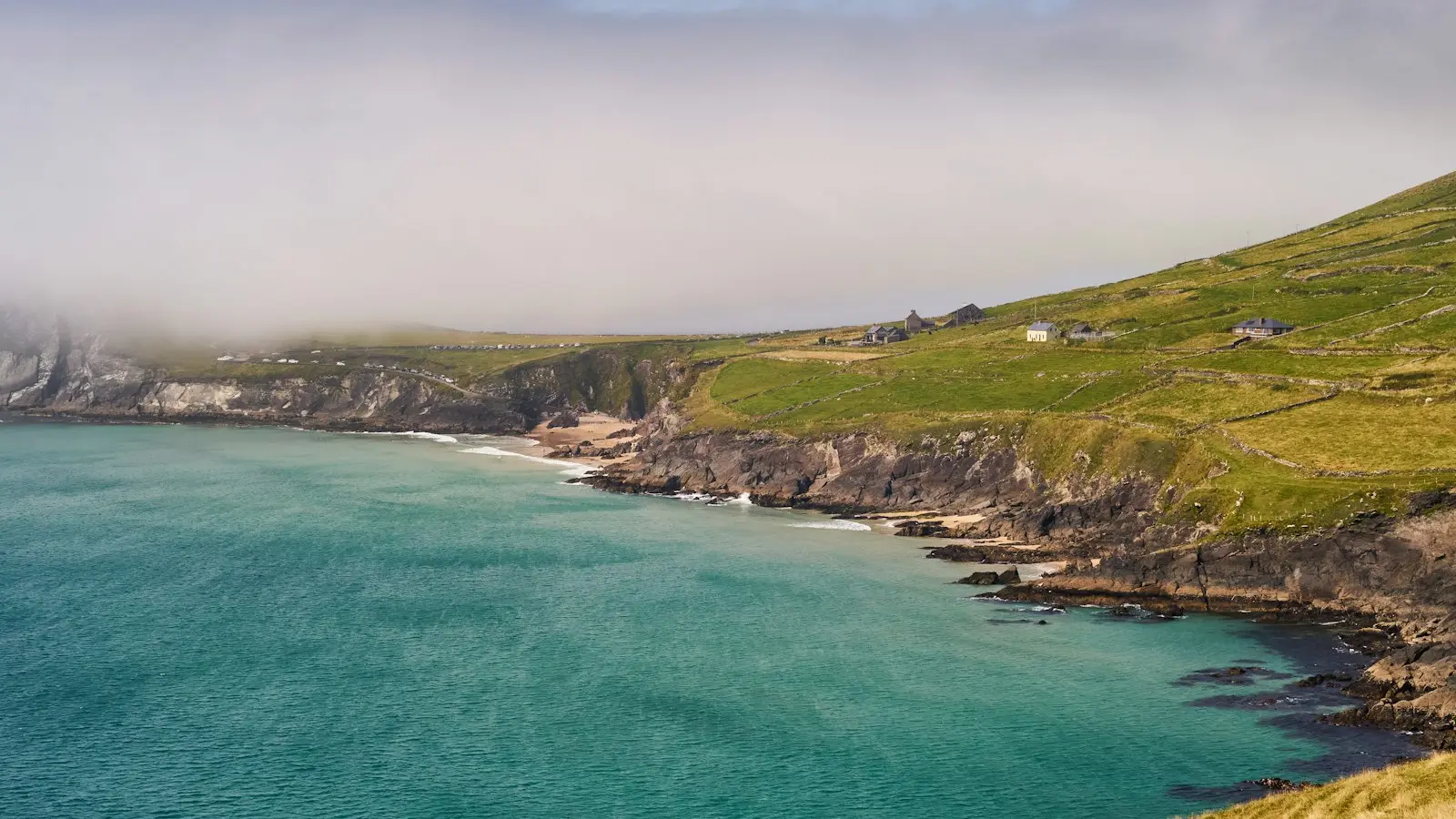
An Ireland one week itinerary works best when it concentrates on one region or two nearby bases. For a first visit that combines scenery and history, choose either a west-coast-focused route or a carefully edited southern loop; choose a city-and-countryside plan if you want less driving and easier public-transport options.
The mistake is not seeing too little. It is trying to see the entire island and turning seven days into a sequence of check-ins, parking searches, and long transfers. Ireland rewards pauses: a walk made possible by a break in the weather, a village visited without a deadline, or a historic site explored before moving on.
Key Takeaways
- Choose one concentrated region or two nearby bases instead of attempting to cover all of Ireland.
- Pick the west coast for dramatic scenery, a southern loop for a balance of landscapes and heritage, or city plus countryside for easier logistics.
- Treat arrival and departure as partial travel days and leave room for weather, fatigue, and slower roads.
- Book major timed attractions, ferries, and limited transport connections before building the rest of the itinerary around them.
- A rental car offers flexibility in rural areas; public transport is often better for cities and compact, well-connected routes.
Choose Your Ireland One-Week Itinerary Style
Your first decision is whether geographic coverage or depth matters more. A broad route can produce an impressive map, but a concentrated itinerary usually produces a more satisfying trip because it leaves room for weather, meals, walks, and unplanned discoveries.
A west-coast-focused itinerary is the strongest choice for dramatic landscapes. Depending on the exact route, it can combine cliffs, coastal viewpoints, villages, historic sites, and winding scenic roads. It suits travelers who picture Ireland as a landscape-first destination and do not mind driving more slowly than a map may suggest.
Its trade-off is flexibility. Coastal roads can be narrow or winding, and a viewpoint that looks close on a map may require a substantial detour once stops, parking, weather, and road conditions are included. Visitors who dislike driving, or who want several major indoor attractions, may find the west less convenient.
A southern loop offers a varied balance of coast, towns, monuments, castles, and rural scenery. It can work well for travelers who want Ireland’s landscapes but also want a stronger emphasis on historic places and comfortable overnight towns. The word “loop” should not become an excuse to include every famous stop: select a small group of anchors and build around them.
The city-plus-countryside option is the gentlest plan. Pair Dublin or another practical arrival city with one nearby rural or coastal base, depending on your interests and transport connections. This suits travelers who value restaurants, museums, easier arrival logistics, and fewer rental-car days. It will not provide the same sweep of remote scenery as a west-coast route, but it is often the most realistic choice for a short trip.
In simple terms, choose the west coast for scenery, the southern loop for balance, and city plus countryside for convenience. Avoid the first option if driving is likely to exhaust you, the second if you are tempted to add too many regions, and the third if remote coastal landscapes are the main reason you are going.
A Realistic Seven-Day Route Needs Two or Three Bases
For most first-time visitors, two overnight bases are the comfortable middle ground. One base reduces packing and makes the trip feel settled, but it limits how far you can explore. Two bases provide regional variety without making every morning a departure day.
Three bases can work if the route is tightly designed and the arrival and departure points fit naturally. It becomes less appealing when each move is treated as a sightseeing day. Changing accommodation every night may look efficient on paper, but the practical cost includes packing, check-in windows, parking, grocery stops, and less unhurried time.
A useful seven-day structure treats arrival and departure as partial travel days rather than full sightseeing days. Use the middle of the trip for two or three full days in your chosen region, then reserve some flexibility for weather or fatigue. If you are driving, place the longest transfer away from the day after arrival and avoid making the final day depend on a complicated cross-country journey.
Irish routes also need generous interpretation. Road type, town traffic, weather, photo stops, parking, and coastal detours all affect the experience. A route that appears short may be tiring if it requires constant concentration. Instead of asking how many places can fit into a day, ask whether you will still have energy to walk, eat, and explore after reaching the destination.
The decision rule is straightforward: choose fewer destinations when walks, scenery, or heritage visits matter more than collecting place names. A day with one major attraction and time around it is usually more memorable than three stops experienced from a car park.
West Coast, Southern Loop, or City and Countryside
For a west-coast plan, choose a compact stretch rather than attempting to connect every famous coastal area. Base yourself near a cluster of viewpoints, cliffs, villages, and historic sites, then use shorter excursions to explore it. Keep at least one alternative for poor weather, such as a museum, historic interior, cultural attraction, or town day that does not depend on a clear horizon.
The west coast is especially good at combining natural scenery with a sense of place. Its best days may include a coastal walk, a small town, a monument, and a relaxed meal rather than a long list of formal attractions. Check current access, parking, opening arrangements, and weather-sensitive conditions for each major stop before committing to a tightly timed route.
For a southern loop, identify two or three anchor experiences before booking accommodation. These might include a major heritage site, a coastal section, and a town that works well as an overnight base. Then add nearby options rather than crossing the country for one isolated castle or viewpoint.
This style suits travelers who want Ireland’s castles and landscapes in the same trip. It also offers useful rainy-day flexibility because towns and managed heritage sites can provide more structure than a sequence of exposed viewpoints. The risk is overextension: a southern loop can become a checklist if every coastal road and historic building is treated as essential.
For city plus countryside, book the city portion around your arrival and departure logistics, then select a rural or coastal base with practical connections. This route is particularly sensible if you prefer not to drive immediately after a long flight or want a few days where restaurants, museums, and indoor attractions are close at hand.
Choose the countryside portion for what can be reached comfortably, not simply for how attractive it looks on a map. Check the current rail and bus timetable, transfer points, walking requirements, and service days before assuming that a rural stay is straightforward without a car.
Balance Ireland’s Scenery, Castles, Monuments, and Towns
Before booking rooms, divide your wish list into four categories: natural scenery, managed heritage, towns and local atmosphere, and unstructured time. This prevents a common imbalance in which every day is filled with ticketed attractions or long scenic drives and none is left for the texture of ordinary travel.
Natural scenery includes cliffs, beaches, mountains, lakes, coastal roads, viewpoints, and walks. These experiences are often free, but they are not automatically easy. Wind, rain, muddy paths, limited parking, and changing visibility can alter the plan, so keep scenic stops flexible.
Castles, monuments, and heritage sites provide historical depth, but access varies. Some are open outdoor places; others have timed entry, guided visits, parking arrangements, seasonal schedules, or limited availability. Check the relevant official operator before relying on a particular interior tour or admission slot.
Towns are not merely gaps between attractions. They provide food, weather shelter, cafés, music, local shops, and a chance to slow down. A town day can also rescue an itinerary when a planned cliff walk is unpleasant or visibility makes a viewpoint underwhelming.
Choose a few anchor experiences, then add nearby alternatives. Separate free outdoor viewpoints from ticketed attractions when estimating both time and booking pressure. If a ferry, special tour, or timed heritage visit is central to the trip, book it before filling the rest of the itinerary around it.
September Planning Means Flexibility
September can be an appealing time to visit Ireland, but it should not be treated as a guarantee of dry weather, empty roads, lower prices, or universal availability. Conditions, daylight, visitor demand, and attraction schedules vary, so confirm current information before finalizing the route.
Plan for changeable weather rather than packing for one forecast. A waterproof outer layer, comfortable shoes with reliable grip, adaptable layers, and protection for electronics and luggage are practical basics. Keep one outfit suitable for a town or restaurant, but prioritize clothing that lets you continue exploring after a shower.
Build a rain plan before you leave. Museums, historic interiors, cultural attractions, cafés, food-focused stops, shorter walks, and flexible town days can replace an exposed coastal excursion. The best backup is not necessarily in the same place as the original plan; it is an activity that can be reached without creating another exhausting drive.
Check official calendars, opening hours, seasonal closures, access rules, and booking windows for every major attraction. A September itinerary should leave room to move an outdoor visit to a clearer day rather than treating the original order as fixed.
Rental Car or Public Transport for One Week?
A rental car is most useful when your plan depends on dispersed coastal scenery, rural accommodation, early starts, or places with limited scheduled connections. It gives you control over stops and luggage, but it also adds navigation, parking, fuel, rental terms, unfamiliar roads, and driver fatigue.
Driving in Ireland requires attention to left-side traffic, narrow or winding roads, changing weather, and the difference between a major route and a small local road. Do not plan every day as a long drive. A driver who has spent hours concentrating may not want to tackle a scenic walk or historic site afterward.
Public transport can work better for a city stay or a concentrated itinerary built around rail- and bus-connected destinations. It is also a good choice for travelers who are uncomfortable driving abroad or who would rather read, look out of the window, and arrive without managing parking.
The limitation is route dependency. Rural connections may be infrequent, require transfers, operate on particular days, or involve a walk from the stop to the attraction. Verify current timetables with the relevant official operator before booking accommodation around an assumed service.
If you rent a car, check the provider’s current insurance, deposit, fuel, age, cancellation, toll, ferry, and airport-return terms. If your route involves ferries or unusual access arrangements, confirm that the rental agreement permits the plan. Whatever transport you choose, leave recovery time after arrival and avoid making a missed connection or bad-weather drive capable of breaking the entire week.
FAQ: Ireland Seven Day Itinerary Planning
Is one week enough to see Ireland?
It is enough to experience one region well or combine two nearby areas thoughtfully. It is not enough to see the whole island without accepting long transfers and a rushed pace. For a first visit, prioritize a coherent region over national coverage.
What are the best places in Ireland for a one-week trip?
There is no universal winner. Choose a west-coast concentration for cliffs, coastal routes, and small towns; a southern loop for a balance of heritage and scenery; or city plus countryside for easier logistics, restaurants, museums, and less driving.
Should I drive or use public transport for an Ireland one-week itinerary?
Drive when rural access and flexible coastal exploring are central to the plan and you are comfortable with the workload. Use public transport when you are staying in cities or building the trip around well-connected destinations. Verify the exact timetable and route before deciding, because feasibility changes by region and season.
Which Ireland scenic routes can be combined without excessive detours?
Combine routes that belong to the same regional cluster and share a practical base. Avoid linking isolated scenic roads simply because they are famous. Every addition should earn its place by offering a distinct experience without removing a full day from the region you came to enjoy.
What should I do if rain disrupts an outdoor day?
Move the walk or viewpoint to another day if possible, then use a museum, historic interior, cultural attraction, café, or town visit as the replacement. A flexible itinerary is more valuable than a perfect forecast because Irish weather can change the usefulness of an outdoor plan quickly.