Many travelers skip Seville because of preconceived ideas: that it is too hot, too sleepy, or unsafe. In reality, those who go often call it the highlight of their trip. Here are the five most common Seville misconceptions and the truth behind each one.
Key Takeaways
- Summer heat is manageable with siesta, air conditioning, and evening plans.
- Seville’s nightlife and festivals rival larger Spanish cities.
- Safety statistics show Seville is one of Spain’s safest destinations.
- Beyond the Alcázar, the city offers diverse neighborhoods, modern landmarks, and quiet courtyards.
- Seville’s food scene extends far beyond tapas, with seafood, jamón, and Michelin-starred dining.
Myth #1: Seville Is Too Hot to Enjoy
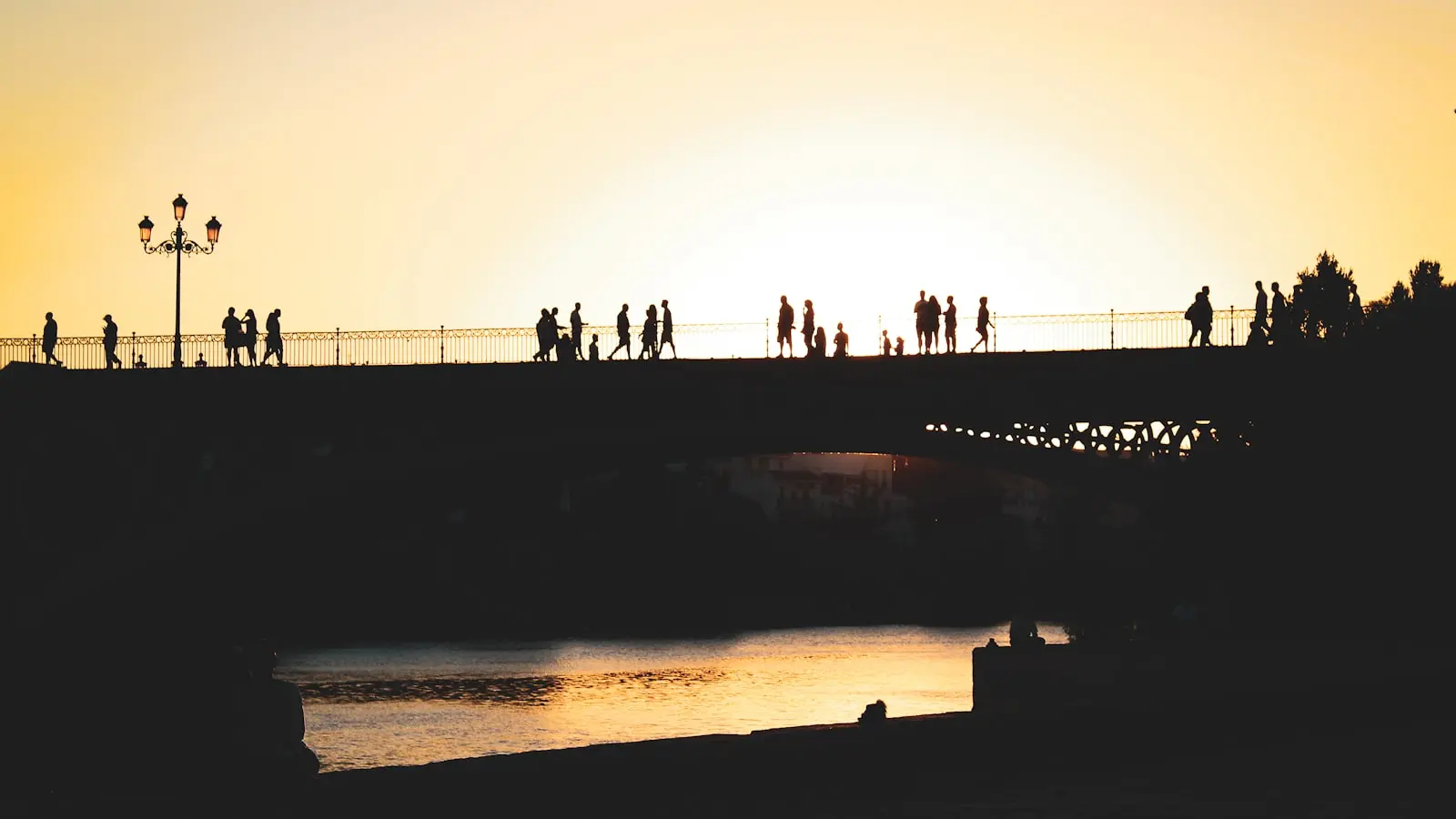
Summer temperatures in Seville often exceed 40°C (104°F), especially from midday until early evening. That doesn’t make the city unvisitable. Locals have adapted for centuries with the siesta – a midday break that avoids the worst heat. Air conditioning is standard in hotels, museums, and tapas bars. The trick is to plan your day around the temperature. Sightsee early morning or late afternoon when the light is golden and heat eases. Use the middle hours for a long lunch, shaded gardens at the Alcázar, or rest at your accommodation. Even the narrow streets of the Santa Cruz neighborhood offer cool shade from the whitewashed walls and awnings. As the sun sets, Seville comes alive with rooftop terraces, late-night tapas, and evening strolls along the Guadalquivir River. With a reusable water bottle and a hat, summer in Seville is entirely manageable. Many visitors find that the city’s rhythm – early starts, relaxed afternoons, late nights – actually enhances the experience, allowing you to see the city at its most atmospheric.
Myth #2: Seville Is a Sleepy Small Town
Some imagine Seville as a quiet backwater compared to Barcelona or Madrid. In reality, Seville has a vibrant nightlife, major festivals, and a youthful energy that surprises many first-time visitors. The narrow alleyways of Santa Cruz and Alameda are packed with bars open until early hours. The Feria de Abril transforms the city into a week-long celebration of flamenco and casetas, with thousands of people dancing and eating under colorful tents. Semana Santa draws massive crowds for dramatic processions that wind through the historic center, and the city’s flamenco tablaos host nightly performances that rival anything in Jerez or Granada. Even on regular nights, rooftops fill with people drinking tinto de verano. Travelers who expected boredom often admit Seville was the highlight of their trip. The scale is smaller than Barcelona, but the atmosphere is more intimate and just as dynamic. Students from the university keep the Triana and Alameda districts buzzing until dawn, and the city’s cultural calendar is packed with concerts, art exhibitions, and street fairs throughout the year.
Myth #3: Seville Is Unsafe at Night
Safety concerns are common, but Seville is one of Spain’s safest cities. Violent crime is rare, and tourist areas like the Cathedral district and Triana are well patrolled. Official crime statistics show rates lower than comparable European destinations such as Barcelona or Rome. Petty theft can occur in crowded spots, as in any popular city, but the historic center is walkable after dark with well-lit streets and plenty of people. The Alameda de Hércules area, once considered rough, has been revitalized and is now a lively nightlife hub with a strong police presence. Solo travelers, including women, often report feeling comfortable even when walking alone late in the evening. Use common sense: keep valuables secure, avoid poorly lit side streets at odd hours, and stick to main thoroughfares after midnight. The reality of Seville safety is overwhelmingly positive, and most visitors never encounter any issues.
Myth #4: Seville Has Nothing Beyond the Alcázar
The Alcázar and Cathedral are masterpieces, but the city offers much more. The Metropol Parasol (Las Setas) provides sweeping views from its rooftop walkway. The Torre del Oro houses a naval museum along the river. The Triana neighborhood is famous for ceramic workshops, flamenco history, and authentic tapas bars where locals gather. Quiet courtyards and lesser-known plazas like Plaza de San Lorenzo, Plaza de la Encarnación, and the charming Plaza de Doña Elvira offer calm away from crowds. Alameda de Hércules is a lively local square lined with terraces and art galleries. The former tobacco factory (now university) and the Maria Luisa Park invite aimless wandering with their fountains and tiled benches. For those willing to explore, Seville reveals layer after layer of charm, from Roman ruins in the basement of the Antiquarium to contemporary art at the Centro Andaluz de Arte Contemporáneo. The city’s street art in the Macarena neighborhood adds a modern edge to its historic fabric.
Myth #5: Food in Seville Is Just Tapas
Tapas are part of Seville’s food culture, but the gastronomy is far richer. The city offers fresh seafood from the nearby coast, premium jamón ibérico, and sherry wines from Jerez. Must-try dishes include pescaíto frito (fried fish), salmorejo (cold tomato soup), tortilla de camarones (shrimp fritters), rabo de toro (oxtail stew), and espinacas con garbanzos (spinach with chickpeas). Several restaurants hold Michelin stars, such as Restaurante Az-Zait and Abantal (check current status before booking). Innovation is thriving, with chefs blending Andalusian ingredients with modern techniques. Venture away from Cathedral tourist strips to bodegas in Triana and Alameda for excellent local dishes at reasonable prices. A proper Seville meal often involves several courses: a starter of jamón, a main of grilled fish or meat, and a dessert like tocino de cielo (egg yolk custard). The city’s sherry bars offer tastings of fino, manzanilla, and oloroso, often paired with local cheese or olives. Don’t miss the media tostada breakfast tradition – toasted bread with olive oil, tomato, and jamón – for a true local start to the day.
FAQ
1. Is Seville really unbearable in summer? No. The city adapts with siestas, air conditioning, and evening schedules. Early mornings and late afternoons are pleasant, and summer nightlife makes it a lively time to visit. The key is to embrace the local routine.
2. Is Seville safe for solo travelers? Yes. Seville consistently ranks among Spain’s safest cities. Petty theft is possible in busy areas, but violent crime is rare. Stick to well-lit streets and keep valuables secure.
3. What food should I try beyond tapas? Don’t miss salmorejo, jamón ibérico, grilled sardines, and local sherry. Seville also has Michelin-starred restaurants and innovative fusion options. The market at Triana is a great place to sample fresh produce and prepared dishes.
4. When is the best time to visit Seville? Spring (March to May) and autumn (September to November) offer pleasant temperatures and fewer crowds. But even summer is manageable with proper planning. Winter is mild and less busy, though some attractions have shorter hours.