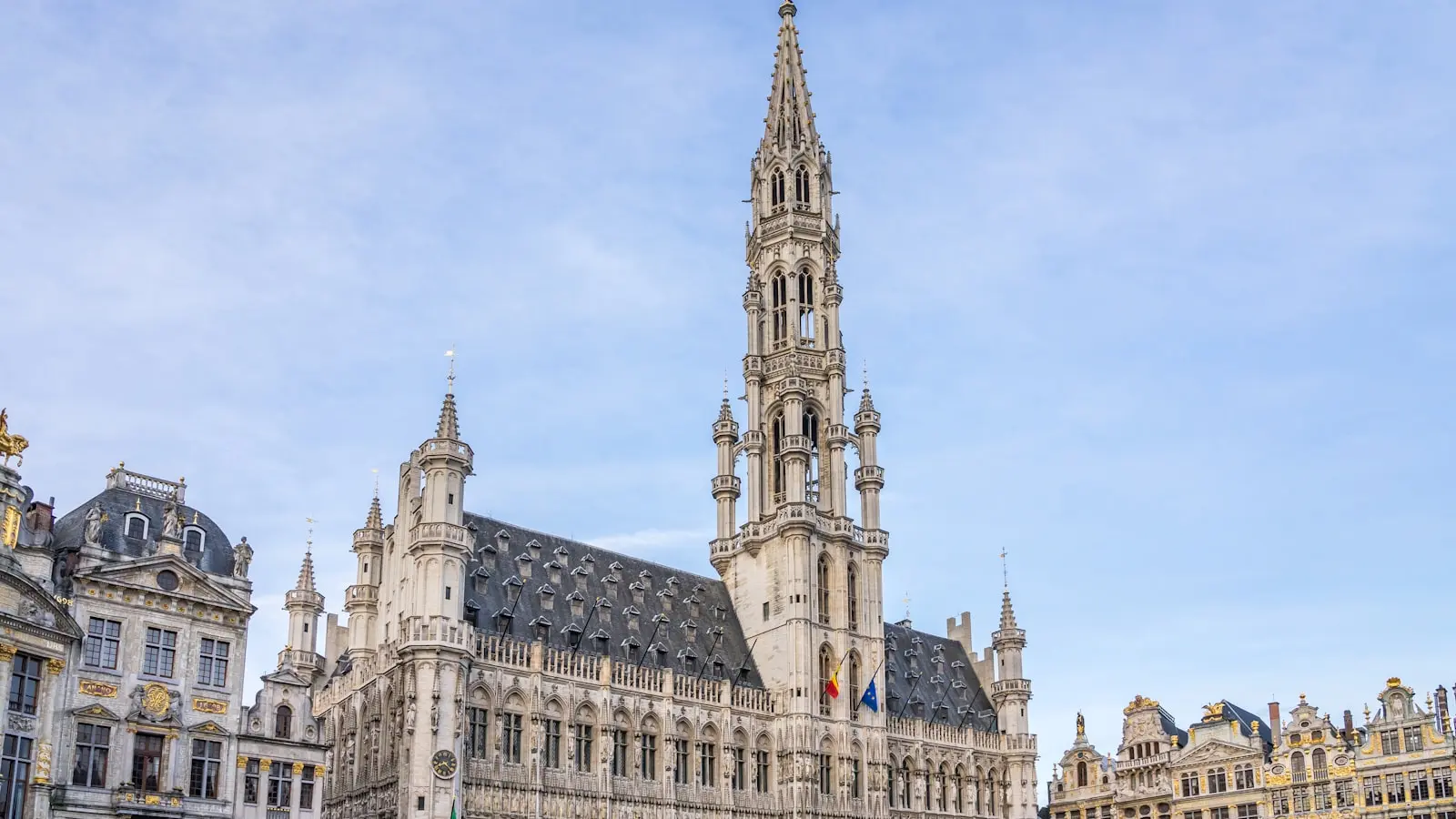
The prevailing narrative surrounding Brussels within transient travel circles remains stagnant. It is often relegated to a brief layover, a logistical necessity between Paris and Amsterdam, or a city to be conquered in a single day of aggressive sightseeing (is this hurried pace actually travel?). However, the reality on the ground—often hidden from the frantic pulse of the central rail terminal—suggests that the city demands, and rewards, a deeper commitment. Spending three nights in Brussels shifts the experience from navigation to immersion.
Moving Past The Tourist Center
Most travelers confine themselves to the Grand Place and the immediate surrounding grids. While the architecture of the city center is undeniably ornate, it represents only the aesthetic shell of the capital. Beyond this thin veneer lies a constellation of neighborhoods—Saint-Gilles, Ixelles, and Schaerbeek—that define the city’s actual character. When one slows the pace, these areas reveal themselves not as tourist attractions, but as lived-in, highly walkable urban ecosystems. (The density of design here is staggering.) In these quarters, the architecture pivots from grandiose guildhalls to the intricate, sweeping lines of Art Nouveau townhouses, where Victor Horta’s influence still whispers through the wrought iron and stained glass.
The Tempo Of Local Dining
To treat Brussels as a day trip is to force the dining experience into a compressed, transactional window. Proper Belgian dining requires patience. A three-day stay allows the visitor to shed the pressure of the itinerary and settle into the ritual of the local brasserie. The food scene here is specialized, moving far beyond the ubiquitous waffles.
- The Moules-Frites Ritual: A dish requiring patience and a steady hand.
- Carbonnade Flamande: Beef stewed in local ale, a process that cannot be rushed.
- The Beer Culture: Beyond mass-market labels, local gueuze and lambic breweries function as living history, requiring time to appreciate the complex fermentation profiles.
When travelers allow themselves multiple evenings, the city’s restaurant culture shifts from a search for fuel to an exploration of craft. (Thankfully, the absence of rush allows for the slow discovery of seasonal menus.)
Logistics As An Advantage
Critics often point to the city’s complex layout as a barrier. The reality, however, is that Brussels functions as a superior European hub. With its central location, it provides a stable base of operations. The transportation network is robust enough that moving between districts—or even taking brief excursions to nearby towns like Ghent or Bruges—becomes a fluid, stress-free endeavor. By basing oneself in the capital for three nights, the luggage remains stationary, and the day becomes an exploration rather than a marathon of transit logistics.
Challenging The Consensus
Travel forums frequently echo a singular, reductive sentiment: that Brussels is a minor player in the European landscape. This perspective is fundamentally flawed, born from the mistake of measuring a city by its proximity to more famous neighbors rather than its own internal depth. Those who ignore the consensus and extend their stay frequently report a sense of discovery that eludes the day-tripper.
Ultimately, Brussels is not a city that announces itself with the immediate, flashy grandeur of Paris. It is a city of layers, hidden courtyards, and specific, quiet craft. It requires the traveler to stop looking for the next point on a map and instead observe the intersection of design and daily life. A three-day itinerary provides the necessary silence for these details to emerge. (Sometimes, the best travel advice is the one that forces you to sit still.)