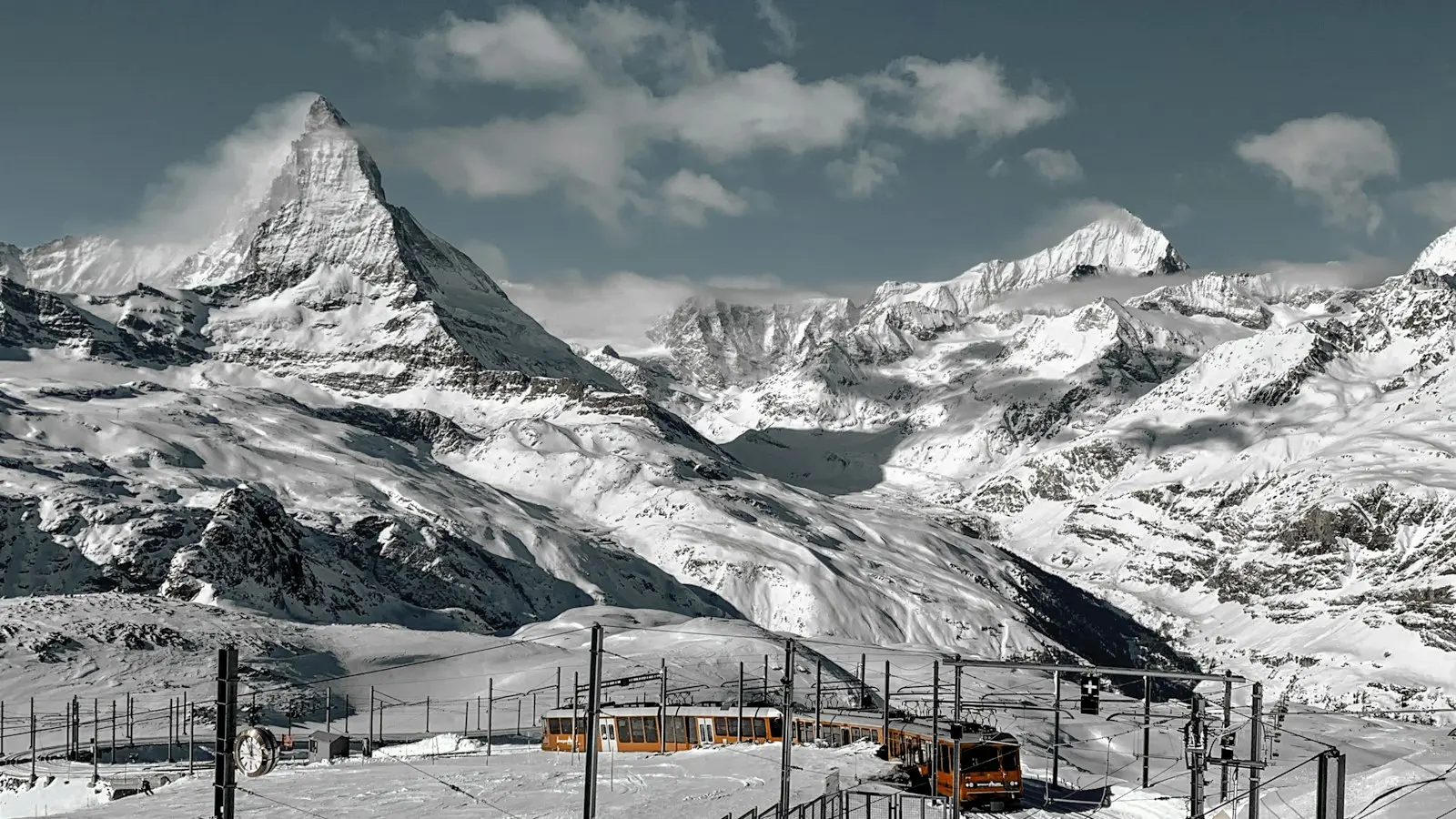
The cost of a Switzerland trip with a Swiss Travel Pass depends less on the pass itself than on how often you move, where you stay, and which mountain excursions you choose. A short stay in Zurich or Lucerne may cost less with individual tickets. A fast-moving route through several regions is more likely to justify the pass, especially when eligible trains, local buses, lake boats, museums, and other included services are part of the plan.
For planning, a seven-night trip can vary widely. A careful budget traveler might spend roughly CHF 1,200–1,800 per person before international flights, a mid-range traveler about CHF 2,000–3,200, and a higher-cost traveler CHF 3,500 or more. These are adjustable estimates, not standard prices. Season, room sharing, mountain activities, and travel pace can move the total substantially.
All figures below are in Swiss francs. Pass prices, coverage, and discounts can change, so confirm the official price and conditions for your travel dates before buying. Any US-dollar conversion should use the exchange rate available when you pay.
Key Takeaways
- A Swiss Travel Pass is most compelling for a fast-moving, multi-region itinerary with several eligible train journeys.
- Point-to-point tickets may cost less for a short stay, a single-base trip, or a route built around advance fares.
- The pass does not make every mountain excursion free; many cable cars, funiculars, and summit routes are only discounted or excluded.
- Budget lodging and food separately from transport, then add reservations, airport transfers, cross-border tickets, and paid activities.
- Compare the pass with your actual route rather than using a fixed rule based only on trip length or number of nights.
1. Swiss Travel Pass Cost, Validity, and What It Covers
The Swiss Travel Pass is generally sold for 3, 4, 6, 8, or 15 consecutive travel days, with second- and first-class options. The following figures are useful provisional planning amounts, but they must be checked against the official product page or checkout before publication or purchase:
- 3 days: about CHF 254 in second class or CHF 405 in first class
- 4 days: about CHF 309 in second class or CHF 492 in first class
- 6 days: about CHF 399 in second class or CHF 634 in first class
- 8 days: about CHF 439 in second class or CHF 697 in first class
- 15 days: about CHF 499 in second class or CHF 787 in first class
Prices may vary by product year, passenger category, and purchase conditions. Confirm the final CHF price, class, validity period, and eligibility at the official point of purchase. Do not rely on a converted dollar figure, since exchange rates can change the amount charged to your card.
The pass normally begins on the selected first day and runs through consecutive calendar days. It is not the same as a flexible product that allows isolated travel days. That distinction matters if you plan to spend several quiet days in one village: the pass may continue running while you are hiking or resting.
Its main value is broad domestic coverage. Eligible Swiss trains, buses, lake boats, and much of the local public transport network can be used without buying a separate ticket. The pass may also include participating museums and attractions, although the list and conditions should be checked for the relevant travel year.
Mountain transport is more complicated. Some routes are fully included, some receive a discount, and others require a separate ticket with little or no reduction. Treat the pass as a transport foundation, not an all-access Alps ticket. Reservations, supplements, premium scenic services, and international journeys may also cost extra.
2. Switzerland Travel Budget by Spending Category
A useful Switzerland travel budget separates fixed transport from expenses that vary with personal habits. Use the following worksheet before deciding whether the pass is worthwhile.
Transport: Add the Swiss Travel Pass or the total of point-to-point fares. Then include airport transfers, local tickets outside the covered network, seat reservations, scenic-train supplements, and cross-border tickets.
Lodging: A hostel bed or simple room might fit a planning range of CHF 45–100 per person per night. A mid-range hotel room shared by two people may work out to roughly CHF 100–220 per person per night. Peak-season resorts and private rooms can exceed that range. Zurich, Geneva, Zermatt, Interlaken, and popular summer or winter destinations often sit at the expensive end.
Food and drinks: A low-cost traveler using supermarkets, bakeries, and casual meals might plan for CHF 35–60 per day. A traveler mixing casual lunches with restaurant dinners may need CHF 70–130 per day. Table-service dining, alcohol, hotel breakfasts, and resort locations can push the figure higher.
Mountain transport and activities: This category most often breaks an optimistic budget. Free hikes and viewpoints can keep costs modest, while cable cars, cogwheel trains, ski days, guided activities, and major summit excursions can add hundreds of francs per person.
Other spending: Allow for insurance, luggage storage or forwarding, laundry, attraction tickets not included by the pass, and a contingency reserve. A reserve is more useful than assuming every connection and meal will follow the original plan.
For a seven-night example, a mid-range traveler might budget CHF 439 for an eight-day second-class pass, CHF 900–1,400 for lodging when sharing a room, CHF 500–800 for food, CHF 250–600 for mountain excursions and attractions, and CHF 100–250 for transfers, reservations, and incidental costs. That produces roughly CHF 2,200–3,500 per person before international airfare. Treat this as a worked example, not a typical or guaranteed total.
A budget traveler can reduce the total through hostels, shoulder-season travel, self-catering, and free hikes. A higher-cost traveler can exceed it through first-class travel, private rooms, frequent restaurant meals, premium excursions, or winter sports.
3. When the Swiss Travel Pass Is Worth the Cost
The pass is most promising when your itinerary resembles a countrywide sampler: Zurich to Lucerne, onward to Interlaken, then Zermatt, Montreux, Lugano, or another distant region. Several long rail journeys can approach the pass price, while included local transport and flexibility may improve its value.
Convenience also has practical value when the arithmetic is close. You do not need to buy a separate standard ticket for every eligible journey, and spontaneous changes are easier. That can matter on a rainy day when you abandon a hike and travel to another town instead.
To compare the pass properly, list every planned Swiss journey and record four details: the ordinary fare, whether the fare is flexible or restricted, whether the pass covers it fully, and whether the trip occurs during the pass’s active period. Add the value of local transport and included museums only if you would otherwise have paid for them.
Point-to-point tickets may win for a short city stay, a single-base holiday, or a route with only one or two long journeys. They can also be preferable when you can use advance or saver fares and your schedule is firm. A traveler spending four nights in Lucerne with one day trip may not generate enough eligible travel to recover a multi-day pass.
The Swiss Half Fare Card is another comparison option. It requires an upfront fee and then reduces eligible fares, but its value depends on how many tickets you buy and whether the mountain services on your route accept the expected discount. Confirm its current price, duration, eligibility, and mountain benefits before comparing it with a Swiss Travel Pass.
4. How Mountain Excursions and Scenic Trains Change the Calculation
Mountain transport is where a seemingly strong pass calculation often becomes uncertain. The pass may cover a local train to a mountain village while only reducing the fare for the cable car beyond it. Another excursion may be included on one section and separately charged on the next.
Divide planned activities into three groups:
- Fully included services, such as eligible local trains, buses, boats, or specifically listed attractions
- Partially discounted services, including some mountain railways and cable cars
- Excluded or separately ticketed experiences, including certain summit routes and services outside the pass rules
Jungfraujoch illustrates why this distinction matters. The journey may receive a benefit under the applicable rules, but the pass does not necessarily make it free. The same caution applies to cable cars around Mürren and Grindelwald, regional funiculars, and other popular Alpine excursions.
Before buying, price each major mountain day twice: once at the ordinary fare and once using the verified pass discount. If an excursion remains expensive after the discount, include the balance in your Switzerland itinerary expenses.
Scenic trains require similar care. A pass may cover or reduce the rail fare on a service such as the Glacier Express or Bernina Express, while a mandatory seat reservation or supplement remains payable. Keep the fare and reservation as separate budget lines. A scenic train is not automatically fully covered simply because it uses Swiss rail infrastructure.
5. Budgeting a Route That Includes Neighboring Countries
A Swiss Travel Pass is primarily a Swiss domestic product. Do not treat it as a blanket ticket for a journey from Paris to Zurich, Zurich to Milan, or Switzerland to Germany, Austria, or France.
Separate your route into Swiss domestic legs, international legs, and transfers at each end. A pass may cover a domestic section of an international journey, provide a reduction, or offer no benefit. The result depends on the operator, border point, fare type, and destination.
Airport choice can also change the calculation. Flying into Zurich and leaving from Geneva may reduce backtracking, while using Milan or Paris may introduce international rail fares, reservations, and extra transfers. Compare total journey time as well as ticket price; a cheaper flight can create an expensive or inconvenient ground connection.
Use this formula for a route-based comparison:
Value of the pass = eligible Swiss fares replaced + included local transport and attractions + verified mountain discounts − pass price.
Then add every cost the pass does not cover: international tickets, reservations, supplements, excluded cable cars, airport transfers, and non-covered attractions. If the result is only slightly positive, point-to-point tickets may be preferable because they avoid paying for unused validity. If the pass creates a clear saving and offers useful flexibility, it is easier to justify.
FAQ About Switzerland Trip Cost and Swiss Travel Pass Value
How much should I budget for a seven-day Switzerland trip with a Swiss Travel Pass?
A planning range is roughly CHF 1,200–1,800 per person for a careful budget trip, CHF 2,000–3,200 for a mid-range trip, and CHF 3,500 or more for a higher-cost trip. These estimates assume different lodging, food, and activity choices and exclude international airfare. Mountain excursions and peak-season rooms can change the total quickly.
Is a Swiss Travel Pass cheaper than individual train tickets?
Sometimes. It is more likely to work for frequent, multi-region travel with several long journeys, local transport, lake boats, museums, and eligible discounts. Individual tickets may win for a short stay, a single base, limited train use, or fixed advance fares. Compare the actual route rather than counting nights alone.
Does the pass cover mountain trains, cable cars, and Jungfraujoch?
Coverage varies by service and section. Some trains and local routes are included, many mountain services are discounted rather than free, and major summit experiences may require substantial additional payment. Check each route separately, including reservation and supplement requirements.
Are reservations and airport transfers included?
Not automatically. Reservations for scenic services, seat supplements, premium trains, airport transfers, and travel outside the covered network may cost extra. Keep them as separate lines in your worksheet.
The best Switzerland trip cost estimate is not a single headline number. Build it from your route, travel class, room choice, meals, mountain plans, and border crossings. The Swiss Travel Pass is strongest when your holiday is about moving through Switzerland; it is less compelling when you plan to settle in one place and pay for only a few major journeys.