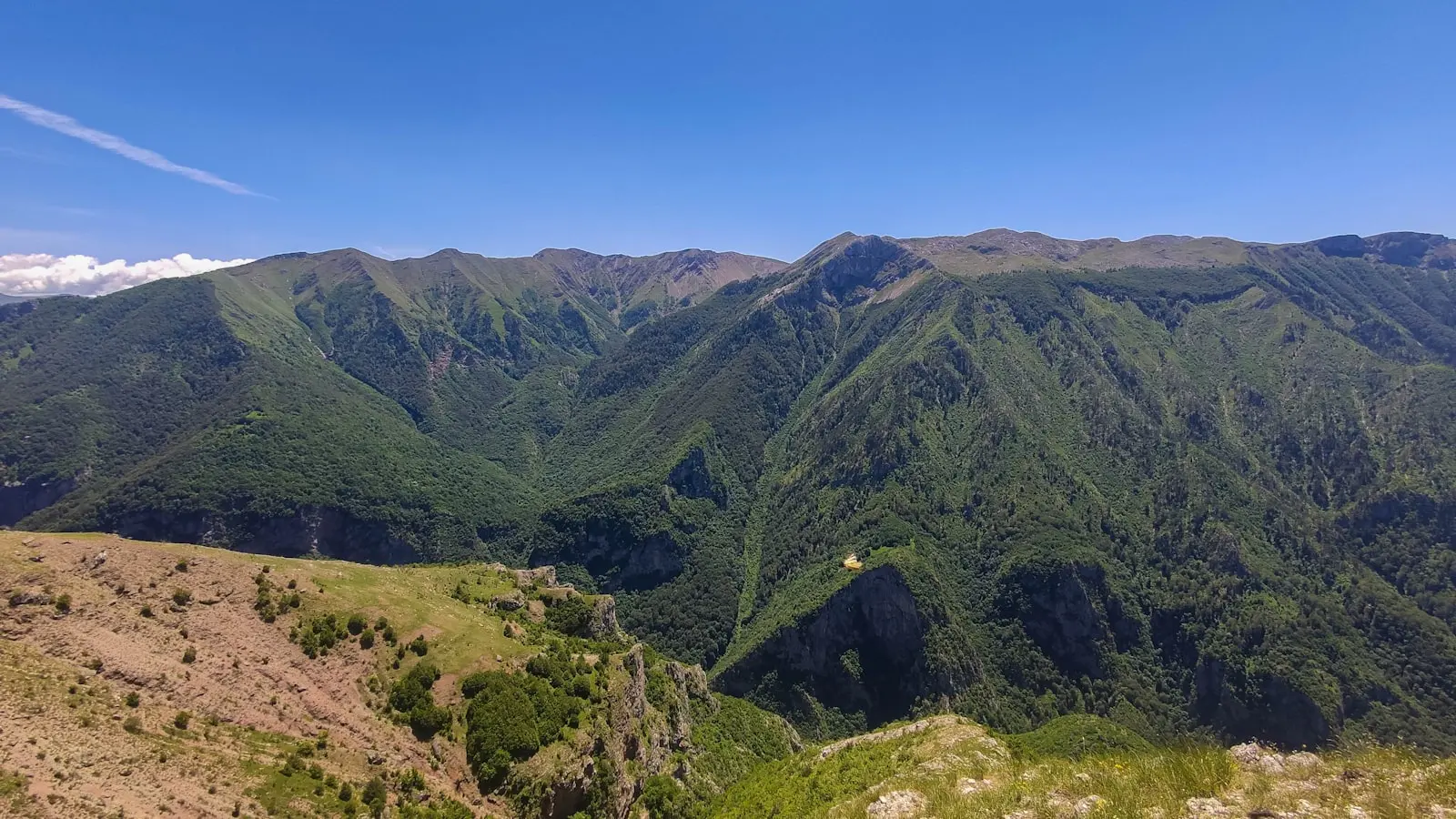
A relaxed Bosnia spring itinerary begins with two bases: Sarajevo and Mostar. Give each city at least three nights, treat the journey between them as a genuine travel day, and add only one nature extension if the forecast, transport, and your energy support it.
That shape leaves room for what makes Bosnia and Herzegovina rewarding in spring: long coffees after rain, riverside walks when the clouds lift, museums that add context to a neighborhood, and scenic roads best taken slowly rather than merely endured.
Key Takeaways
- Build around three nights each in Sarajevo and Mostar instead of changing hotels every day.
- Use a roughly 10-day trip for one optional nature extension and at least one weather buffer.
- Rent a car only if rural detours and flexible routing are central to your plans; city-focused trips can work well without one.
- Treat spring weather as variable: keep outdoor plans movable and do not push through road or mountain warnings.
- Verify entry rules, transport schedules, driving requirements, road conditions, and opening hours close to departure.
Spring can bring bright green valleys and less pressure than peak summer. It can also bring rain, cold at higher elevations, lingering snow in mountain areas, and changing road conditions. The useful trade-off is simple: make enough plans to move comfortably, but leave enough empty space to respond to the day in front of you.
Start With Two Anchors and One or Two Detours
For most first-time visitors, Sarajevo and Mostar form a strong backbone. They offer distinct city experiences, substantial history, walkable districts, memorable food, and access to contrasting scenery without requiring a new hotel every night.
A practical pacing rule is three nights in Sarajevo, three nights in Mostar, and four remaining nights split among arrival and departure buffers plus one optional nature-focused base. Not every traveler needs 10 nights, but this structure gives a Bosnia spring itinerary room for cities and landscapes without turning each morning into a packing exercise.
More overnight stops create variety, but they also add friction. Checking out, loading luggage, finding parking, navigating a new town, and checking in can consume much of a day. In spring, that friction matters even more when rain or cold makes a tightly timed scenic plan feel like work.
Before shaping your Bosnia Herzegovina spring travel route, answer three questions:
- Is your priority city life and history, rivers and waterfalls, or mountain landscapes?
- Will you drive, use scheduled transport, or combine public transport with an occasional private transfer?
- Are you traveling in early spring, when higher terrain can be less predictable, or later in the season?
Entry eligibility, passport and visa requirements, border procedures, seasonal access, and transport availability can change. Confirm these details through official and operator channels before committing to flights, car rentals, or nonrefundable lodging.
Map a Realistic 10-Day Bosnia Spring Itinerary
Treat this Bosnia spring itinerary as a flexible framework, not a checklist. If rain arrives, swap a nature day for a city day. If a mountain route is unsuitable, staying longer by the river is not a compromise; it is sensible trip design.
Days 1 to 4: Use Sarajevo as your first base. On day one, arrive, transfer to your accommodation, and keep the evening deliberately light. Learn the shape of the neighborhood, find a breakfast or coffee stop, and take an unhurried first walk rather than forcing a landmark circuit after a flight.
Use days two and three to combine Sarajevo’s old center, Austro-Hungarian-era streets, museums, food stops, and residential corners. A good rhythm is one major historical or cultural focus, one long wandering stretch, and one meal worth lingering over. Sarajevo rewards attention better than speed.
On day four, choose a low-commitment excursion only if conditions and interest align. Otherwise, use the day for a rain-friendly Sarajevo plan: museums, cafés, food-focused wandering, a hammam where appropriate, or neighborhoods that a rushed visit might miss. An excursion should be an option, not an obligation.
Days 5 to 7: Travel south and settle into Mostar. Treat the Sarajevo-to-Mostar move as a travel day, even if the route appears short on a map. Weather, traffic, stops, luggage, and the appeal of the scenery all affect the pace. Choose no more than one scenic pause, and only if your transport mode makes it easy.
Give Mostar two full days after arrival. Spend one day in and around the historic core, allowing time in the early morning or later evening when the atmosphere may feel less compressed. Use the second for the river setting, nearby streets, a food stop beyond the busiest lanes, or a half-day outing that does not require a complicated loop.
Days 8 and 9: Choose one nature extension or stay put. With a rental car and suitable conditions, a two-night base in a valley, near a lake, beside waterfalls, or close to a mountain area can add a different texture to the trip. The aim is not to collect every scenic location; it is to wake up somewhere calmer and have time to walk, eat, and look around.
Without a car, the lower-stress choice is often to remain in Mostar or return to Sarajevo, then use an accessible day trip or arranged transfer for one scenic outing. Forcing several rural places into a public-transport loop can leave you watching departure boards instead of landscapes.
Combining multiple scenic stops in one day may look efficient, but it rarely feels generous. It often means long drives, short walks, narrow weather windows, and no margin when rain arrives. Choose the landscape type that matters most to you and give it enough time.
Day 10: Make departure logistics boring on purpose. Sleep near your departure city when possible, or allow a substantial transfer buffer for flights and cross-border connections. A final-night scramble can undo the calm built into the rest of the trip.
If your trip is shorter, cut the nature extension first. Next, reduce optional excursions. Keep meaningful time in Sarajevo and Mostar, because these two bases provide the best balance of city depth, food, history, and accessible scenery.
Choose Car, Bus, or Private Transfer Carefully
A rental car is most useful when your Bosnia road trip spring plan centers on rural valleys, trailheads, smaller towns, or weather-led route changes. It allows you to leave when the sky clears, stop at a viewpoint without following a timetable, and choose a nature base that would be awkward by bus.
The cost of that freedom is responsibility. You need comfort with unfamiliar roads, navigation, parking, changing mountain conditions, and local driving rules. A car can make a detour possible, but it does not make it wise during poor conditions.
Buses and trains where available can suit travelers concentrating on major cities. They remove parking decisions and can make a Mostar Sarajevo itinerary feel calmer if you are content to follow a fixed timetable. The compromise is less flexibility for scenic stops and a greater need to verify schedules, station details, booking procedures, and service changes directly with operators.
A private transfer or guided day can be the middle path. It is useful for one difficult connection or one remote scenic day when renting a car for the entire trip would create more stress than value. You pay more and sacrifice some spontaneity, but you avoid a driving commitment that does not fit the rest of the journey.
Use a simple decision checklist. Count the rural stops you genuinely want, not the ones that merely look appealing on a map. Consider your comfort driving in rain or on mountain roads, the luggage you will carry, your tolerance for parking, your need to shift plans with the forecast, and your budget.
Before booking a vehicle, verify rental terms, insurance, required documents, possible cross-border permissions, parking expectations, road restrictions, and local driving regulations. These are time-sensitive details, not background trivia.
Build Weather Buffers and a Rain Plan
Spring is better planned as a range than as a promise. Lower elevations may feel mild and wet while mountain areas remain cold, windy, or affected by lingering snow. A sunny morning in town does not necessarily mean comfortable conditions at higher elevation later that day.
Pack in layers: a waterproof outer shell, an insulating mid-layer, sturdy shoes with grip, and a small day bag that protects electronics and spare clothing. Bring sun protection, too. Clear spring days can be bright, especially near water and on exposed walks.
Keep at least one unscheduled half-day, ideally a full day, that can be reassigned after you see the forecast. Put viewpoints, river walks, and mountain excursions in the most favorable weather window. Save museums, cafés, food wandering, and neighborhood exploration for wet periods.
There is a difference between urban rain inconvenience and weather that affects road or mountain safety. Do not continue with a route affected by warnings, closures, or conditions beyond your confidence. Check short-term forecasts, road information, park access, and attraction opening patterns shortly before each move.
Stay Strategically and Approach History With Care
In Sarajevo, choose lodging based on how you want to use your mornings and evenings. A walkable location near the old center makes spontaneous wandering easy, while a quieter area may offer calmer nights or simpler vehicle access. If driving, assess the actual approach and parking situation, not only map distance.
In Mostar, staying near the historic core can make early and late walks particularly easy. Staying slightly outside it may mean quieter sleep and simpler parking. Compare walking distance, hills, luggage handling, and your preferred rhythm rather than assuming the closest address is automatically best.
For a nature extension, choose a base that reduces backtracking. Changing hotels solely to tick off one viewpoint usually costs more energy than it returns. A place with room for an unplanned walk or slow lunch is often the better spring choice.
Sites connected to war, displacement, and recent history deserve informed, respectful attention. Use locally contextualized museums, memorial information, or guides when they help you understand what you are seeing. Avoid rushed photo behavior, casual language, and broad assumptions about individual identities or experiences.
The best booking order is practical: confirm entry eligibility and your flight plan, reserve the Sarajevo and Mostar anchors, choose the transport approach, and look for flexible lodging terms where possible. Add scenic detours only when they still fit your forecast, budget, and energy level.
FAQ
How many days do you need for a Bosnia spring itinerary?
Seven days can cover Sarajevo and Mostar at a relaxed basic pace, especially if you limit excursions. Around 10 days is more comfortable for adding one nature-focused extension, a weather buffer, and slower travel days.
Is it better to rent a car or use public transport in Bosnia and Herzegovina in spring?
A car is worth it when rural scenery and flexible detours are central to the trip and you are confident driving in variable conditions. Public transport can be easier for a city-centered trip, while a private transfer can solve one awkward scenic day without requiring a full car rental.
Can you combine Sarajevo and Mostar in a relaxed 7-day itinerary?
Yes. A workable shape is three nights in Sarajevo, three nights in Mostar, and one arrival or transfer buffer depending on your flights. Skip the overnight nature extension and choose only one optional day trip if conditions are favorable.