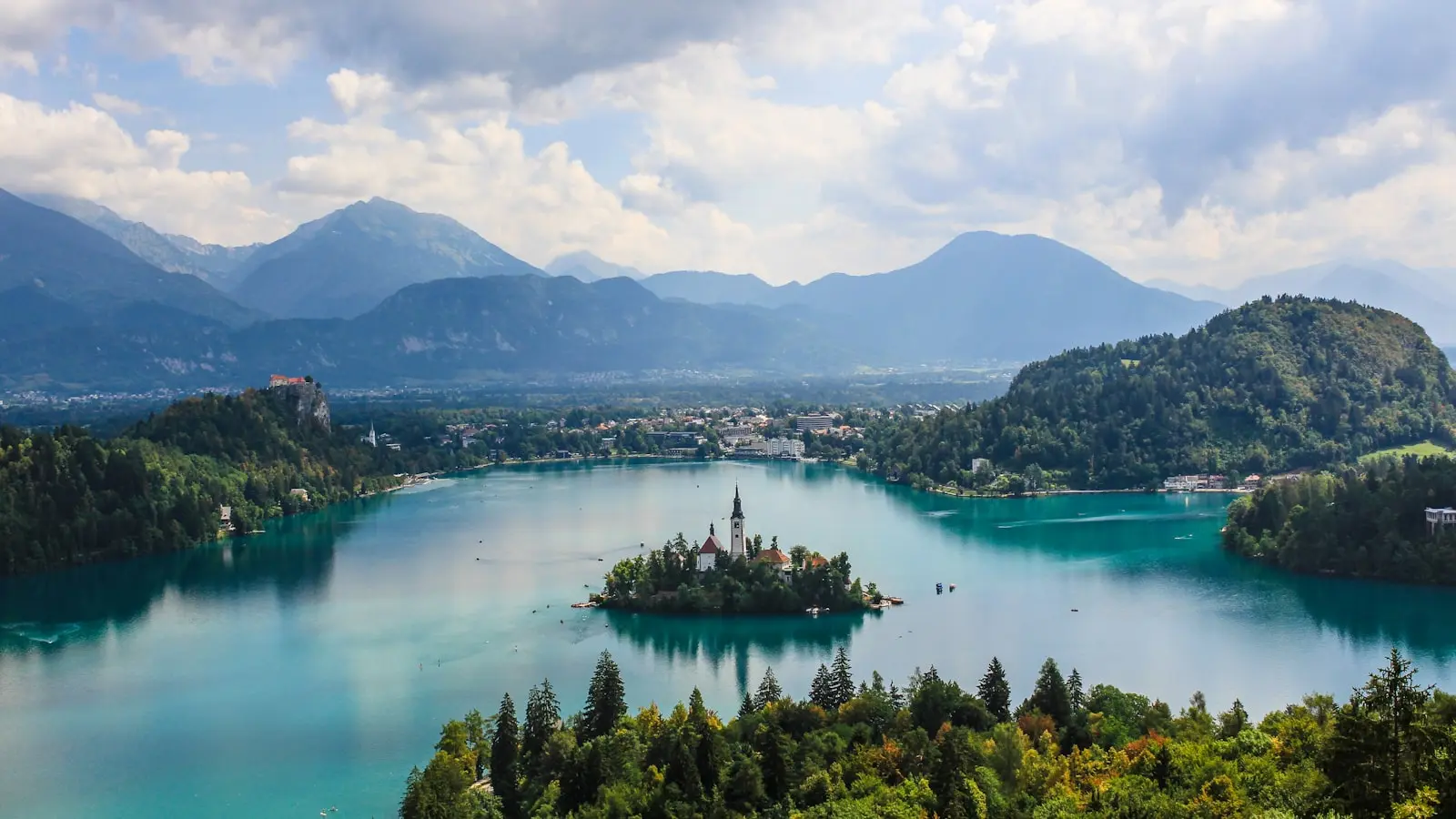
Yes, Slovenia is arguably the most underrated European destination for a short trip. Its compact geography, stunning diversity, and lower tourist density offer a high-value alternative to crowded hotspots like Croatia or Italy. In just four or five days you can experience a vibrant capital, alpine lakes, mountain peaks, and even a slice of Adriatic coast, all without spending hours in transit.
Key Takeaways
- Slovenia’s small size means you can see mountains, lakes, coast, and a capital in 4–5 days with minimal travel time.
- It is generally more affordable than Western European neighbors and significantly less crowded than popular destinations like Venice or Dubrovnik.
- The country ranks as one of the safest in Europe, with low crime rates and reliable infrastructure for solo travelers and families.
- Shoulder seasons (May–June, September–October) offer the best balance of good weather and fewer tourists.
Why Slovenia’s Size Is a Secret Weapon for Short Trips
Slovenia is half the size of Switzerland yet packs an extraordinary range of landscapes into that small area. The distance from Ljubljana to Lake Bled is about an hour by bus. Lake Bled to the Julian Alps is another 30 minutes. The coast at Piran is about 90 minutes from the capital. That means more time exploring and less time in transit.
For a 4-day trip, you can comfortably base yourself in Ljubljana and take day trips. Or you can split your stay between the capital and a lakeside town. The short transfer times make it possible to see three or four distinct regions without feeling rushed. That efficiency is a major reason why Slovenia works so well for a short break.
The Must‑See Highlights in a 4‑Day Itinerary
Day 1: Ljubljana. The capital is small enough to explore on foot. Walk the old town, cross the Triple Bridge, and visit Ljubljana Castle for views over the red roofs. The central market and riverside cafes give it a relaxed, lived-in feel. Many travelers say it exceeds expectations because it feels authentic, not overrun.
Day 2: Lake Bled. The emerald lake with its island church and clifftop castle is the postcard image of Slovenia. Take a traditional pletna boat to the island, hike up to the castle, or simply walk the 6-kilometre path around the lake. Go early morning or late afternoon to avoid the midday crowds.
Day 3: Triglav National Park. Lake Bohinj is the quieter, larger sister of Bled. It sits inside the national park and offers hiking, swimming, and a cable car up Mount Vogel. If you have a car, drive the Vršič Pass or follow the Soča River for turquoise water and rafting. Even a half-day here gives you a strong taste of the alpine landscape.
Day 4: Choose your own adventure. You could visit the Postojna Cave, the karst region, or drive to the coastal town of Piran. Piran is a compact Venetian-style town with great seafood and a lovely waterfront. Each of these options is under two hours from Ljubljana.
This itinerary covers the main highlights without cramming. The slow pace is part of the appeal.
How Slovenia Compares on Budget and Crowds
Slovenia is generally more affordable than Italy, Switzerland, or Austria, and roughly comparable to Croatia. A meal at a mid-range restaurant in Ljubljana costs less than in Vienna or Venice. Accommodation in Lake Bled is cheaper than in the Swiss lakeside towns. Public transport is reliable and reasonably priced.
Crowd levels are significantly lower than in nearby destinations. For example, the old town of Dubrovnik receives over a million visitors a year, while Ljubljana sees a fraction of that. Even during peak summer, you can find quiet corners in Slovenia. This lower density means more authentic interactions and less queuing. The trade-off is that some areas have fewer services or less nightlife, but that suits many travelers looking for a calmer break.
Slovenia also ranks very safe in global peace indices. Violent crime is rare, and tourists generally feel secure walking alone at night in city centres. The healthcare system is good, and tap water is safe to drink everywhere.
Food, Wine, and Local Experiences Worth the Trip
Slovenia’s food and wine scene punches well above its size. The country has three wine regions: Primorska (coastal) and Podravje (eastern) produce excellent whites, especially Ribolla Gialla, Sauvignon Blanc, and the orange wines that have gained international attention. Many vineyards offer tastings by appointment, even on short notice.
Local dishes include štruklji (rolled dumplings), potica (nut roll cake), and freshwater fish from the Soča or the lakes. The farm-to-table culture is strong; you can buy cheese, honey, and cured meats at roadside stands. In Ljubljana’s central market, you’ll find seasonal produce and local specialties. For a short trip, you don’t need a full gastronomic tour—just a few meals at good restaurants or a picnic by the lake will show you why food lovers rate Slovenia so highly.
Tips for Avoiding Crowds and Maximising Your Short Stay
Lake Bled is the most visited spot, so plan accordingly. Arrive before 9 a.m. or after 4 p.m. to enjoy the lake with fewer people. Skip the main photo spots during midday. Instead, walk to the eastern side for quieter views.
Lake Bohinj is a perfect alternative if Bled feels too busy. It has wilder shores, fewer facilities, and a more natural atmosphere. Other underrated spots include the Rakov Škocjan karst valley and the Bela Krajina region, which offer dramatic scenery without the tourist infrastructure.
The best times for a short trip are May through June and September through October. The weather is still warm enough for outdoor activities, but the summer crowds have not yet arrived or have already left. July and August bring the most visitors, especially to Bled and the coast. If you must travel in peak season, book accommodation and any popular activities well in advance.
Renting a car gives you the most flexibility for a short trip, especially if you want to explore the countryside. The roads are well maintained, and driving is straightforward. However, public buses connect all major towns, and trains are a good option for longer hops like Ljubljana to Maribor.
How to Add a Side Trip to Croatia or Italy Without Complicating Plans
Slovenia’s location makes it easy to combine with a neighbouring country. From Ljubljana, Trieste in Italy is about an hour by train or bus. You can spend a day exploring the Italian coastal city, eating seafood, and seeing the Roman theatre. Similarly, Zagreb in Croatia is about two hours by car or bus. A day trip is feasible if you start early.
A more extended option is to add the Istrian Peninsula in Croatia, which is a short drive from the Slovenian coast. Istria offers hilltop towns like Motovun, truffle dishes, and beautiful beaches. You could spend two days there and then return to Ljubljana for your flight out. The border crossings are smooth within the Schengen area for most travelers.
If you prefer a longer stay, you can fly into Venice and then travel to Slovenia by train (about 2.5 hours to Ljubljana). That opens up a combined Italy-Slovenia trip without a separate flight. For those flying into Zagreb, a direct bus to Ljubljana takes about two hours. The compactness of the region means you can add a country without adding much travel time.
FAQ
Is Slovenia safe for solo travelers and families? Yes, Slovenia is consistently rated as one of the safest countries in Europe. Crime rates are low, the streets are well-lit, and people are helpful. Families will find child-friendly facilities, clean public spaces, and excellent healthcare. Solo travelers, especially women, report feeling comfortable walking alone even in the evening.
What is the best time of year for a 4-day trip to Slovenia? The shoulder seasons—May to June and September to October—offer the best balance of pleasant weather, green landscapes, and fewer tourists. July and August are warmer and sunnier but bring the largest crowds. Spring and autumn also have the advantage of lower accommodation prices.
Do US/EU travelers need a visa for a short trip? Most US and EU citizens can enter Slovenia under the Schengen Agreement for stays up to 90 days without a visa. However, entry requirements can change, so it’s essential to check the latest rules from your home country’s foreign office before booking. Ensure your passport has at least three months of validity beyond your intended departure date.