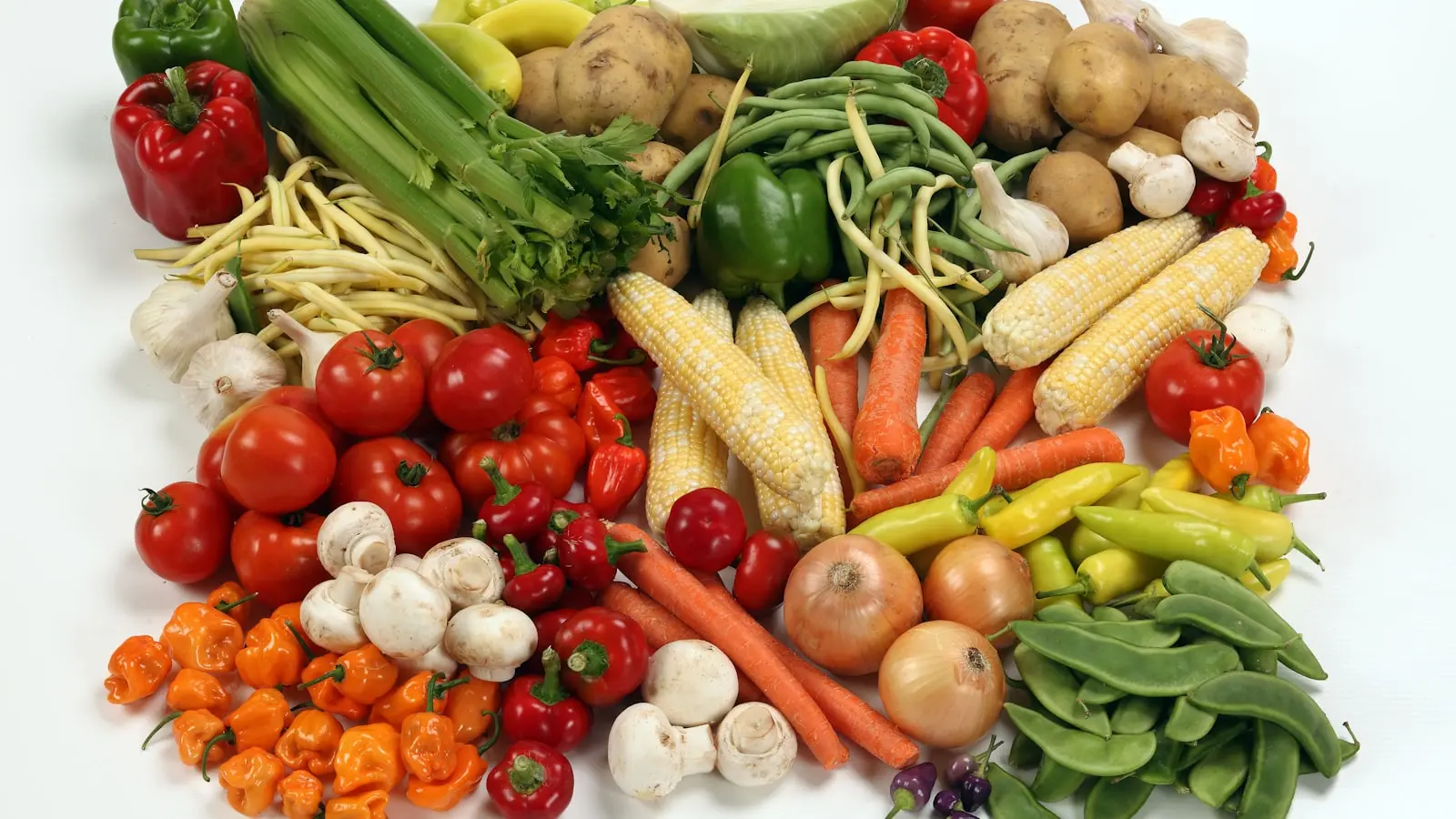
The Real Problem: Why Meal Plans Fail for Spontaneous Cooks
Meal planning is often held up as the gold standard for reducing food waste. But for many people, it feels like a chore — mapping out every breakfast, lunch, and dinner for the week can be time-consuming and stifling. If you prefer to cook on a whim or based on what looks good at the market, a rigid plan can quickly fall apart.
The result is a familiar cycle: you buy a bag of spinach or a bunch of cilantro with good intentions, only to find them wilted and slimy a few days later. The frustration builds, and waste adds up. The good news is you can reduce food waste without meal planning. The key is to adopt a loose, intuitive system that works with your natural cooking style rather than against it.
Key Takeaways
- Use a category-based shopping list instead of a full meal plan.
- Store produce properly: separate ethylene producers, use humidity drawers, and treat herbs like flowers.
- Rely on flexible meals like stir-fries, soups, and sheet-pan roasts to use up odds and ends.
- Revive wilted greens in ice water and freeze surplus before it spoils.
- Composting handles unavoidable scraps, but aim to reduce waste with these strategies.
Strategy 1: Smarter Shopping Without a Full Menu
Start with a short, category-based shopping list instead of a detailed meal plan. Write down general needs like “greens,” “protein,” “something for crunch,” and “fruit.” This gives you flexibility to pick whatever looks freshest while still keeping you on track. You avoid impulse buys that often end up forgotten.
Buy loose produce whenever possible. Pre-packaged bags often contain more than you need, especially for perishable items like salad greens or mushrooms. Controlling portion size at the store is one of the simplest food waste tips for busy people. If a recipe calls for one bell pepper, buy one — not a three-pack.
Consider shopping more frequently with smaller loads. A quick mid-week trip to pick up a few fresh items can replace a single giant haul on Sunday. You’ll buy what you actually need for the next few days, and produce won’t sit around long enough to spoil. A magnetic whiteboard on the fridge is a low-tech way to track what needs to be eaten soon. Jot down items as they near the end of their life — it takes ten seconds and saves money.
Strategy 2: Storage Secrets That Make Produce Last
Proper storage is the single most effective way to extend the life of fresh produce. Many people toss everything in the fridge together, but different items have different needs. Leafy greens like lettuce and spinach prefer high humidity — store them in the crisper drawer with the humidity slider closed. Fruits like apples, pears, and stone fruits do better in low humidity, so keep them in a separate drawer.
Be aware of ethylene gas. Some fruits release it and accelerate ripening (and spoilage) in nearby items. Apples, bananas, tomatoes, and avocados are major ethylene producers. Keep them away from ethylene-sensitive foods like leafy greens, berries, and carrots. A simple rule: store fruits and vegetables in separate bins or at least keep the heavy emitters isolated.
For fresh herbs, treat them like cut flowers. Trim the stems, place them in a jar with an inch of water, and cover loosely with a plastic bag. Store in the fridge (except basil, which does best on the counter). This method can keep cilantro, parsley, and mint fresh for up to two weeks. For berries, wash only right before eating — moisture encourages mold. Line the container with a paper towel to absorb excess humidity.
Freezing surplus is another powerful tool. Chop onions, bell peppers, or mushrooms and freeze them in a single layer on a baking sheet before transferring to a bag. This way you have ready-to-use vegetables for future cooking. Ripe bananas can be peeled, halved, and frozen for smoothies or baking. Smart grocery shopping to reduce waste includes thinking ahead about what can be frozen before it goes bad.
Strategy 3: Flexible Cooking for Odds and Ends
Once you have a collection of random vegetables, you need easy ways to use them up. Build a repertoire of “clean-out-the-fridge” meals that don’t require a precise recipe. Stir-fries, soups, frittatas, and grain bowls work with almost any combination. The formula is simple: starch (rice, quinoa, pasta) + protein (eggs, beans, leftover chicken) + any vegetables + a sauce or seasoning. No recipe needed.
Roasting is another forgiving method. Toss leftover vegetables — carrots, zucchini, bell peppers, cauliflower — with oil, salt, and pepper, and spread on a sheet pan. Roast at 400°F until tender and caramelized. You can add them to salads, wraps, or serve as a side. This technique is arguably the easiest way to use leftover vegetables before they spoil.
Don’t toss scraps like onion skins, carrot tops, celery ends, or mushroom stems. Collect them in a bag in the freezer to make homemade vegetable stock. Simmer with water, bay leaf, and peppercorns for an hour, then strain. It’s free, flavorful, and reduces waste to nearly zero.
Embrace fusion cooking to clear out odds and ends. That half-used jar of curry paste can meet leftover sweet potatoes and a can of chickpeas. Wilting herbs can become pesto or chimichurri. A flexible kitchen is a creative one — and it wastes far less.
Bonus: Reviving Wilted Vegetables and Freezing Surplus
If your greens look limp, don’t give up. Soak lettuce, kale, or herbs in a bowl of ice water for 10 to 15 minutes. The cold water causes the cells to rehydrate and crisp up. Pat dry and use immediately. For carrots or celery that have gone soft, trim the ends and place them in water in the fridge for a few hours — they’ll regain some crunch.
For vegetables like broccoli, green beans, or spinach that are on the edge, blanch them before freezing. Drop into boiling water for 1-2 minutes, then plunge into ice water. Drain, pack, and freeze. This preserves color and texture much better than freezing raw. Overripe fruit is perfect for smoothies, baked goods, or simple fruit compote. You can mash bananas and freeze them in portions for banana bread later.
When Waste Happens: Composting as a Final Option
Even the most diligent kitchen will produce some unavoidable scraps — eggshells, coffee grounds, onion skins, or the occasional spoiled item. Composting turns this waste into nutrient-rich soil instead of sending it to a landfill. You don’t need a big yard. Small countertop bins with charcoal filters work well for apartments. Bokashi systems can handle meat and dairy scraps too, if you want to go further.
But composting is not a guilt-free pass. Aim to shrink your compost pile by using the strategies above. The less you toss, the more money and resources you save. For many, weekly food waste reduction becomes a satisfying habit once you see how much difference small changes make.
FAQ
How can I store fresh herbs to last more than a week? Treat herbs like flowers: trim the stems, place them in a jar with an inch of water, cover loosely with a plastic bag, and refrigerate. For basil, skip the fridge and keep the jar on the counter. Change the water every couple of days.
What’s the easiest way to use up random leftover vegetables? Toss them onto a sheet pan with oil and roast at 400°F until tender. Season with salt, pepper, and any herbs you have. Use them in salads, wraps, grain bowls, or as a side dish.
Is it better to buy pre-chopped vegetables to avoid waste? Pre-chopped vegetables often have a shorter shelf life because the cut surfaces dry out and spoil faster. Buying whole and prepping as needed gives you more control and usually leads to less spoilage in the long run.