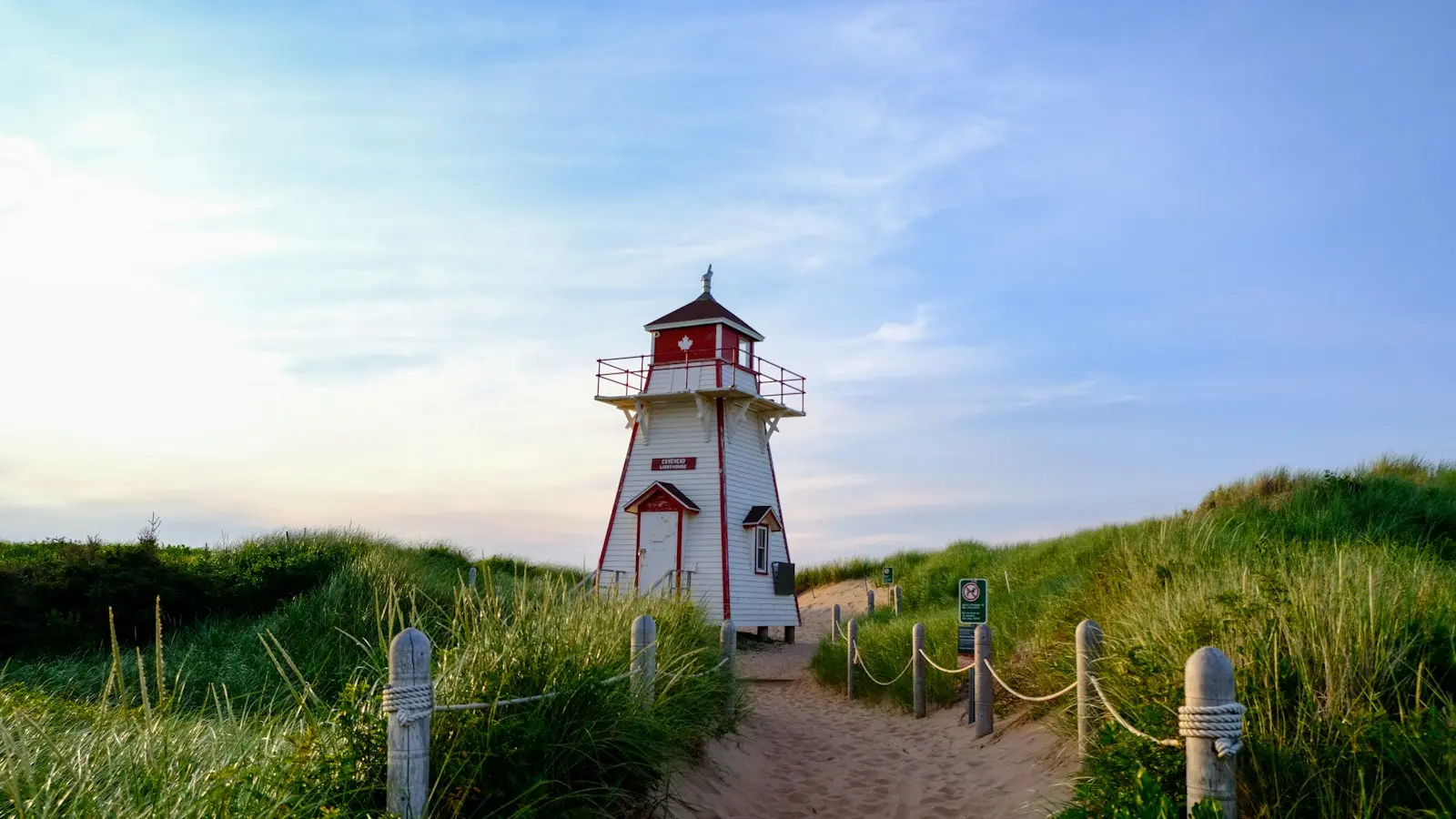
October can be an excellent month to visit Prince Edward Island if you want autumn scenery, quieter coastal stops, and a flexible road trip. It is not usually the strongest choice for dependable warmth, swimming, long beach days, or a full menu of tours and open restaurants. The right answer depends less on finding a universally “best” month than on deciding which trade-offs suit your travel style.
Prince Edward Island in October is a shoulder-season destination. One week may feel crisp and bright, while another brings wind, rain, rougher water, and a need to change plans. Build the trip around scenery and atmosphere rather than assuming every summer attraction will still be operating.
Key Takeaways
- October is a strong choice for fall color, coastal photography, village atmosphere, and flexible road trips—not reliable swimming weather.
- Maritime conditions can change quickly, so pack for wind and rain and leave room for schedule changes.
- Check tides, access, parking, facilities, conservation notices, and daylight before visiting Thunder Cove or another exposed coastal site.
- Seasonal hours may affect restaurants, tours, accommodations, parks, and attractions, including in Victoria-by-the-Sea.
- Choose summer if warm beach days, extensive dining options, and full seasonal programming matter more than quiet scenery.
What Prince Edward Island in October Feels Like
The island’s October weather is maritime: changeable, exposed, and often more noticeable on the coast than inland. Expect cooler air than in summer, frequent wind near beaches and cliffs, rain possibilities, and shorter daylight for driving and walking. Conditions can shift during the day, so a forecast is useful but should not be treated as a guarantee.
That variability affects the practical shape of a holiday. A coastal walk that looks inviting in the morning may become uncomfortable when wind picks up. Outdoor dining may be unavailable or unpleasant, and a photography stop may require a warm layer, waterproof shell, and shoes that can handle wet paths or sand.
Pack for movement rather than for a single ideal afternoon. Layers, a rain jacket, water-resistant footwear, gloves or a warm hat, and a way to keep a phone charged are sensible choices for exposed coastal outings. If you plan to drive between communities, leave room in the schedule for a slow start, a weather delay, or an unplanned indoor stop.
October suits travelers who enjoy looking closely: changing foliage, fishing harbors, red soil, weathered buildings, long views, and quiet roads. It is less suitable for travelers who become frustrated when a restaurant is closed, a tour is canceled, or a beach visit turns into a brief viewpoint stop instead of a full afternoon.
Beaches, Tides, and Coastal Scenery
The beaches do not lose their visual appeal when summer ends. Red cliffs, red sand, sea grass, broad shorelines, and changing light can make October especially rewarding for photography and coastal walks. Cooler weather may also make it easier to focus on the landscape rather than on swimming or sunbathing.
A Thunder Cove beach visit, or a stop at another exposed coastal site, needs more planning than simply entering a destination into a navigation app. Check the tide for the date and location, confirm the current access arrangement, and allow enough daylight to return without rushing. Tide information can vary by site, and the usable width of a beach or the character of a shoreline can change considerably as water moves in.
Also verify practical details before setting out: parking, walking access, washrooms, facilities, signs, and any seasonal restrictions. A location that is easy to use during the busy season may have fewer services in October. Do not assume there will be lifeguards, maintained paths, open washrooms, or a convenient place to buy food.
Coastal conditions deserve restraint. Wet rocks, slippery surfaces, unstable edges, rising water, and wind can turn a scenic stop into a poor place to explore. Stay away from cliff edges and restricted areas, keep clear of sensitive dunes and vegetation, and leave natural features where they are. A quiet beach is not automatically a safe beach, and a low tide does not remove the need to watch the time.
Swimming is a different proposition. October may offer a beautiful beach day, but it should not be planned as a reliable swimming season. Water temperature, wind, waves, access, and the absence of summer services all point toward treating the shore as a walking and viewing destination unless current local conditions clearly support anything more.
Autumn Color and Scenic Road Trips
The best PEI fall travel is not necessarily a checklist of major attractions. It is often a sequence of modest stops: a coastal road, a village harbor, a farm-lined stretch, a viewpoint, a short walk, and a café or restaurant that happens to be open.
Foliage timing varies across the island and from year to year, so avoid building the entire trip around a precise peak-color promise. Instead, combine inland and coastal scenery. Inland roads can provide more of the autumn landscape, while the coast supplies red cliffs, beaches, fishing communities, and changing skies even when the foliage is past its brightest.
A car makes this kind of trip substantially easier. It gives you access to smaller communities and lets you move toward better weather, but it also creates responsibilities: check fuel before remote stretches, allow extra time on unfamiliar roads, and avoid treating a packed map as a realistic schedule. Shorter daylight and wet weather make an ambitious summer route feel much longer in October.
A flexible two- or three-day structure might look like this:
-
Day one: Arrive, settle into your accommodation, and check the latest weather and road conditions. Choose a nearby coastal route or village rather than committing to a distant attraction. Use the first day to learn how quickly the weather is changing.
-
Day two: Plan one tide-aware beach or cliff stop, then pair it with an inland foliage drive and a confirmed-open food, gallery, museum, or community stop. Keep a nearby alternative ready in case wind or rain makes the coast uncomfortable.
-
Day three: Consider Victoria-by-the-Sea or another village if the businesses you want to visit are operating on that date. Leave enough time afterward for a scenic detour, a late departure, or a weather-related change rather than filling every hour.
This approach works because it gives each day a primary outdoor experience without making the entire trip depend on it. Confirm the most important stops shortly before leaving, especially if your plans involve a seasonal attraction, a small restaurant, a tour, or a beach with limited facilities.
Seasonal Closures and Reduced Services
The main limitation of Prince Edward Island in October is not that the island becomes uninteresting. It is that the service network becomes less predictable. Restaurants may reduce hours or close for part of the week. Tours and attractions may finish their season, accommodations may operate on a smaller schedule, and parks or coastal sites may have fewer facilities than visitors expect.
The answer is not to avoid October, but to verify more than you would for a midsummer trip. Check accommodation availability directly, confirm restaurant hours on the intended date, and ask whether reservations are required. For parks and beaches, look for current information about access, parking, washrooms, construction, erosion, closures, and conservation guidance.
Choose a base with practical advantages rather than judging it only by charm. Being near an open grocery store, fuel, and several possible dining options can matter more than saving a few minutes on a scenic route. Flexible cancellation terms may also be valuable, although availability and conditions vary by property.
Travel logistics need the same attention. If you use the Confederation Bridge or a ferry, check current operating information, vehicle requirements, weather advisories, delays, and disruption notices before departure. Do not assume a normal schedule during a storm or strong-wind event. Rental cars can also be more limited outside the main season, so reserve early enough to secure the vehicle type you need and confirm pickup details.
Where Victoria-by-the-Sea Fits in an October Trip
Victoria-by-the-Sea is well suited to an October itinerary built around atmosphere rather than guaranteed programming. Its harbor, village character, galleries, food, and slower pace can provide a welcome counterpoint to a windy beach or a long drive.
Treat it as a potential half-day stop, not as a promise of a fully operating summer resort. Check which restaurants, shops, tours, theaters, and other attractions are open on your intended date. A business’s online listing may not reflect a seasonal change, so direct confirmation is worthwhile when the stop is central to your plans.
Pair the village with nearby scenery, but leave the order flexible. If the morning is clear, begin with a coastal walk and use the village for food or browsing afterward. If rain arrives, the village may still work as a short atmosphere stop, but you will appreciate having another indoor option or a less exposed route available.
Compared with summer, Victoria-by-the-Sea in October may feel quieter and more intimate, but there may be fewer scheduled activities and less choice at mealtimes. That is a benefit for travelers who enjoy unhurried wandering and a limitation for those expecting a packed day of open venues.
Is October Better Than Summer for Your Travel Style?
Choose October if you value fall color, coastal photography, red cliffs, red sand, scenic driving, small communities, and the freedom to make decisions based on the day’s weather. It is particularly attractive if swimming is optional and you are comfortable substituting a viewpoint, village visit, or café for an outdoor plan.
Choose summer if your priorities are reliable warmth, long beach days, swimming, extensive restaurant choice, scheduled tours, and the greatest chance that seasonal attractions will be operating. Summer generally makes a tightly programmed itinerary easier, especially for a first visit or a family trip with limited tolerance for closures.
Use this checklist before deciding:
- Can you enjoy a coastal destination without counting on swimming?
- Are you willing to change a beach or driving plan because of wind or rain?
- Will you check tides, access, parking, and facilities before visiting a coastal site?
- Can you manage reduced restaurant, fuel, accommodation, and attraction choices?
- Are you comfortable driving in unfamiliar conditions and shorter daylight?
- Have you confirmed the bridge or ferry arrangements and your rental-car details?
- Would a quiet village or scenic road satisfy you even if a planned attraction is closed?
If most answers are yes, October is worth serious consideration. It may offer a more reflective version of the island, with dramatic coastal light and room to linger. If your ideal trip depends on warm water, guaranteed openings, and a full summer schedule, choose summer instead. October is not universally better; it is better when its unpredictability matches what you came to experience.
Frequently Asked Questions
Is Prince Edward Island worth visiting in October?
Yes, for travelers who prioritize autumn scenery, coastal landscapes, photography, villages, and flexible road trips. It is less suitable if you want dependable swimming weather, long opening hours, or a full schedule of seasonal activities.
Can you swim at Prince Edward Island beaches in October?
Swimming should not be the foundation of an October itinerary. Conditions can be cold, windy, rough, or unsupported by seasonal facilities. Treat beaches primarily as places for scenery and walking, and follow current local guidance if you consider entering the water.
What should you book or check before an October trip to PEI?
Confirm accommodation, rental-car availability, restaurant hours, attraction dates, park and beach access, parking, washrooms, tide information, and bridge or ferry conditions. For Thunder Cove or another coastal site, also check current access and conservation notices, then plan around daylight and changing weather.