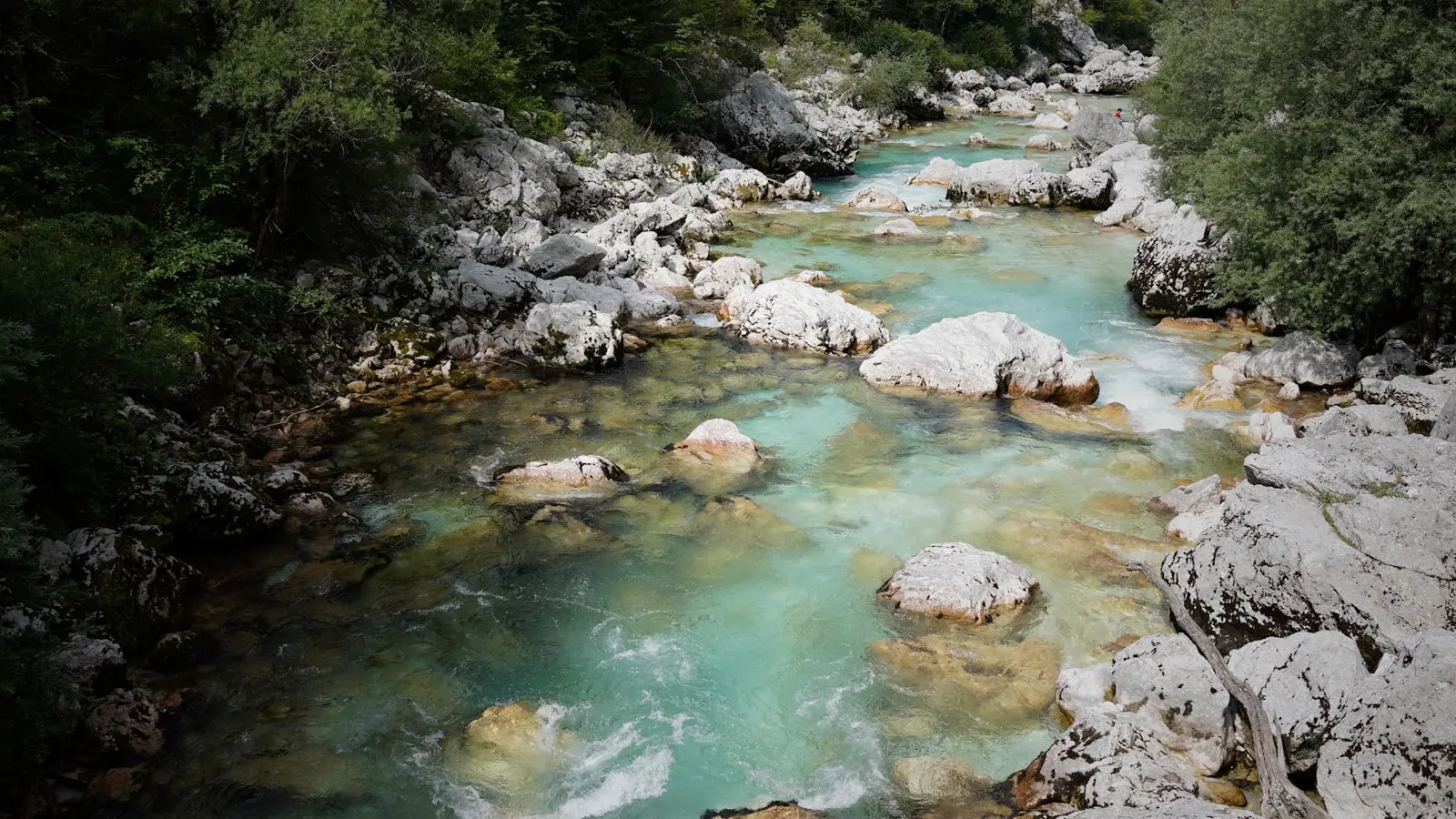
The Seasonal Paradox of the Slovenian Landscape
Slovenia occupies a rare geographic middle ground. By April, the Julian Alps still retain their winter severity, while the Adriatic coast offers the first true sighs of Mediterranean warmth. This dual climate creates a logistical challenge for the uninitiated, yet it provides a masterclass in regional variance. For the traveler, the terrain demands respect. Morning temperatures frequently hover near freezing, turning the mist over Lake Bled into a sharp, crystalline silence (a rare commodity in modern tourism). By midday, the sun shifts the atmosphere, often requiring nothing more than a light shirt. This volatility is the defining feature of the Slovenian Easter season.
Navigating the Logistics of Alpine and Coastal Transit
Efficiency in Slovenia relies on the road network. The country is small enough to permit a morning breakfast in the shadow of the mountains and a sunset dinner in the Venetian-style port of Piran. However, this accessibility is a double-edged sword. As the European Travel Board noted in 2025, the rise in popularity of this region since 2020 has shifted the pressure on infrastructure.
To navigate this effectively, travelers should adopt a staggered schedule:
- The Alpine Corridor: Prioritize Lake Bled and the Vintgar Gorge at dawn. The tour bus congestion typically peaks between 11:00 AM and 3:00 PM. (Avoiding the mid-day crush is not just about comfort; it is about preserving the silence of the landscape.)
- The Karst Underground: The Postojna Caves remain a constant-temperature environment. These should be reserved for the coldest windows of the day when the external temperature is least hospitable.
- Coastal Repose: Piran and the Slovenian Riviera are best reached via the inland valleys, where the transition from limestone crags to Mediterranean cypress groves provides a striking visual shift.
The Architecture of Responsible Tourism
Slovenia has carefully positioned itself as an alternative to the saturation found in Venice or Prague. The clean infrastructure and organized transit are not accidents; they are the result of a conscious policy shift toward sustainability. For the modern visitor, this implies a responsibility to participate in the local ecosystem rather than merely consuming it.
Local tourism boards emphasize that the longevity of these natural sites depends on the behavior of the seasonal influx. The infrastructure is resilient, but it is not infinite. (One wonders if the current pace of growth is sustainable in the long term.) The emphasis remains on quality over volume, encouraging travelers to slow their pace and appreciate the granular details—the specific quality of the water, the local craft traditions, and the distinct lack of performative hospitality.
Preparing for the Variable Spring
Success during an Easter trip requires a disciplined approach to packing. The standard advice of layering is insufficient here; one must anticipate a full spectrum of weather in a single day.
- Outer Shells: High-quality, breathable waterproofing is non-negotiable. The dampness in the Julian Alps can be unforgiving even in April.
- Footwear: Versatile, rugged soles are required for both cobblestone coastal streets and wet mountain trails.
- Timing: Off-peak scheduling is the most powerful tool in the traveler’s arsenal. By working against the flow of the tour groups, the visitor transforms the trip from a sightseeing chore into a genuine observation of a region in transition.
Ultimately, the appeal of Slovenia lies in its restraint. It is a country that offers grandeur without the clamor of its more famous neighbors. If one approaches it with patience and a functional wardrobe, the reward is an untarnished view of Europe before the summer rush resets the clock.