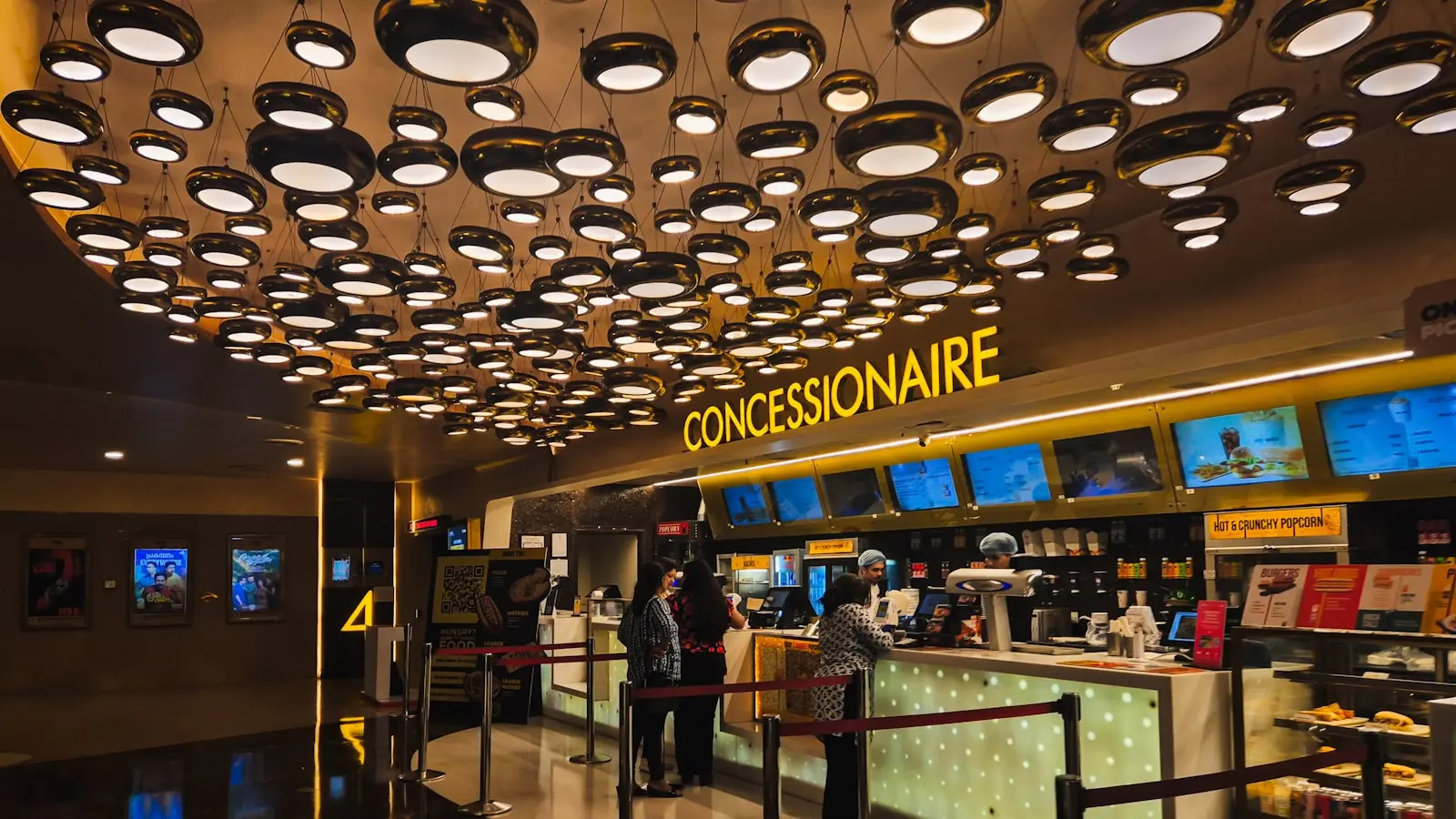
The safest way to plan a movie event night is to treat it as a small logistics project rather than a casual group text. Verify what the booking includes, confirm the local start time, collect payment before purchasing nonrefundable seats, and send one final itinerary.
That structure prevents common losses: a guest who thought an RSVP was a ticket, someone using the wrong time zone, or an empty seat that cannot be refunded. It matters most for previews, festivals, live cinema broadcasts, fan events, and other limited-access screenings where standard movie-theater assumptions may not apply.
Key Takeaways
- Confirm whether each guest has a ticket, reservation, registration request, or membership-based entry before inviting the group.
- Use the venue’s local time, plus separate doors-open and check-in details, rather than copying a shared promotional time.
- For limited or nonrefundable tickets, treat payment by the deadline as the only full confirmation.
- Check transfer, refund, late-entry, accessibility, age, and seating policies with the specific venue or organizer.
- Send one concise final itinerary with arrival, transport, meeting-point, and cancellation instructions.
1. Start by verifying what the booking actually includes
Before inviting anyone, determine what a guest is actually receiving. An RSVP might be a request for a place, a free registration that still requires check-in, a paid ticket, a membership benefit, or a reservation that must later be converted into a ticket.
Ask one practical question: can a confirmed guest enter with what they have? If entry depends on a QR code, name match, ID, membership card, box-office pickup, or a follow-up email, include that requirement in the invitation.
Then check the seating format. Assigned seats make group cinema planning simpler at the outset, but changes can be harder if someone cancels. General admission may offer more flexibility, though the group may need to arrive together to sit nearby. Some special events use registration lists, first-come entry, or ticket releases that happen after registration.
Review these terms before anyone commits:
- Whether tickets are refundable, exchangeable, transferable, or eligible for authorized resale.
- Whether the purchaser’s name must match the attendee’s ID.
- What happens to a no-show.
- Whether re-entry is allowed after check-in.
- Whether late admission is restricted once the program starts.
- Whether age limits, ID checks, bag rules, or event-specific conditions apply.
- Whether seating is assigned, general admission, or tied to a separate check-in process.
Do not assume a policy from an ordinary multiplex applies to a one-off event. If a rule affects whether a guest can attend or whether you can recover a ticket cost, verify it before you send invitations.
2. Lock down the local start time and build a realistic event timeline
A shared event announcement can create a basic but expensive mistake: guests agree on a time that is not local to their theater. When people are attending in different cities, traveling in, or reading promotional material from another region, confirm the date, venue, and local start time for the exact location.
Do not simply repeat a time shown in another time zone. Convert it first, then state it plainly: “The presentation begins at 7:30 p.m. local time at this venue.” List doors-open, check-in, and ticket-pickup times separately if they apply.
A useful timeline includes:
- Doors open or guest admission begins.
- Ticket pickup or registration check-in.
- The group’s arrival target.
- Seating time, especially for unassigned seating.
- Any pre-show program or instructions.
- The advertised presentation start.
The right theater arrival time depends on the venue’s instructions and your group’s circumstances. Digital tickets and assigned seating may require less margin than box-office collection, security screening, difficult parking, a large complex, or unassigned seating.
Add a realistic buffer for transit delays, parking, finding the auditorium, restrooms, concessions, and accessibility needs. The goal is not to make everyone wait unnecessarily; it is to avoid losing access to a limited event because small delays stacked up.
3. Set a movie night budget and collect commitment before buying extra tickets
The ticket price is only part of a realistic movie night budget. Parking, transit, rideshares, booking fees, food, and concessions can determine whether a guest can truly commit.
Make a simple per-person estimate before inviting people. Include the ticket, required fees, likely transport or parking cost, and any optional plans such as dinner or drinks afterward. Separate unavoidable costs from optional spending so nobody feels surprised at checkout or on the day.
Decide what the organizer will cover. If you are treating guests, say so and set a spending limit you can absorb. If guests are paying their own way, state the expected total, payment method, and deadline upfront.
For nonrefundable, scarce, or costly tickets, use a payment-before-purchase rule. A guest is not fully confirmed because they said the event sounds fun or that they will “probably” make it. They are confirmed when they have checked their schedule, accepted the cost, and paid by the deadline.
Set that deadline before the venue’s own ticket deadline or before desirable seats may disappear. This gives you time to reduce the headcount, invite a waitlisted guest when permitted, or buy only the seats that are genuinely claimed.
A simple RSVP system is enough:
- Invited: Received details but has not committed.
- Confirmed and paid: Seat can be purchased or is secured.
- Waitlist: Interested but not promised a ticket.
- Declined: Unavailable or uninterested.
- Unresponsive: Treat as unavailable after the deadline.
Only buy unclaimed seats if you are comfortable carrying the full financial risk. Buying extras can feel generous, but it also makes the organizer responsible for every no-show.
4. Use a clear RSVP system that reduces no-shows
Useful movie screening RSVP tips are less about repeated reminders and more about one invitation that answers the practical questions. Guests make better decisions when they know the real cost, local time, venue, arrival target, and cancellation terms.
Your invitation should include the event name, venue, local date and time, arrival target, expected cost, payment method, confirmation deadline, and any relevant entry condition. If the event is age restricted, requires ID, uses special seating rules, or may not allow late entry, say so directly.
Ask guests to confirm only after checking their calendar, travel time, and access needs. That changes the question from “Would this be fun?” to “Can I attend under these terms?” The second question produces more dependable commitments.
Use a clear deadline message such as:
Please confirm and pay by [date/time]. After that, I can only add or change tickets if the venue allows it and seats remain available.
For a limited event, keep a short waitlist. It may help if someone declines before purchase, but do not promise a transfer unless the ticket terms allow it. A cancellation does not always create a usable opening when tickets are named, nontransferable, or tied to the original purchaser.
After tickets are purchased, set a communication cutoff for routine changes. This prevents the organizer from renegotiating the entire plan through scattered messages on event day.
5. Plan arrivals, accessibility, cancellations, and late guests before event day
The most considerate planning happens before there is a problem. Check the venue’s own information for parking, transit access, pickup areas, entry points, elevators, accessible seating, captioning or assistive services, and companion arrangements where relevant.
Ask guests privately and early whether they need step-free entry, accessible seating, additional arrival time, a support person, or another accommodation. Confirm what the venue can provide before buying seats, especially when seating is assigned or capacity is limited.
Choose one easy-to-find meeting point and one group contact method. A specific entrance, lobby landmark, or nearby café is more useful than “meet at the theater.” Tell the group whether you will wait until the arrival target or proceed inside at a fixed time.
Create a cancellation plan before anyone cancels. Check whether a ticket can be refunded, exchanged, transferred, resold through an authorized process, or only forfeited. If the answer is unclear, do not promise that you can fill the seat or recover the cost.
Late guests need a separate plan. Tell them whether the venue may restrict late admission and where they should go when they arrive. They should contact the designated group person, follow venue staff instructions, and avoid expecting the group to leave seats or miss the opening while coordinating.
Send one final itinerary shortly before the event. Include the local time, full venue address, auditorium number if known, arrival target, ticket or check-in instructions, payment status, transport notes, meeting point, and group contact method.
FAQ
Can I transfer a movie event ticket to someone else if a guest cancels?
Only if the venue or organizer’s terms allow it. Check whether tickets are tied to a purchaser’s name, require ID, permit name changes, or can be transferred through an approved system. Forwarding a ticket email or screenshot may not be accepted at entry.
How early should a group arrive at a theater for a special screening?
Follow the venue’s stated doors-open, check-in, and late-entry guidance, then add time for transport, parking, ticket collection, seating, and accessibility needs. The advertised start time should not be the only time in the itinerary.
Should I collect money before buying tickets for a group movie night?
Yes, when tickets are nonrefundable, limited, or expensive enough that you do not want to absorb a no-show. Collect payment by a clear deadline before purchase and treat unpaid responses as unconfirmed. If you buy extra tickets anyway, do so expecting that you may be responsible for the full cost.