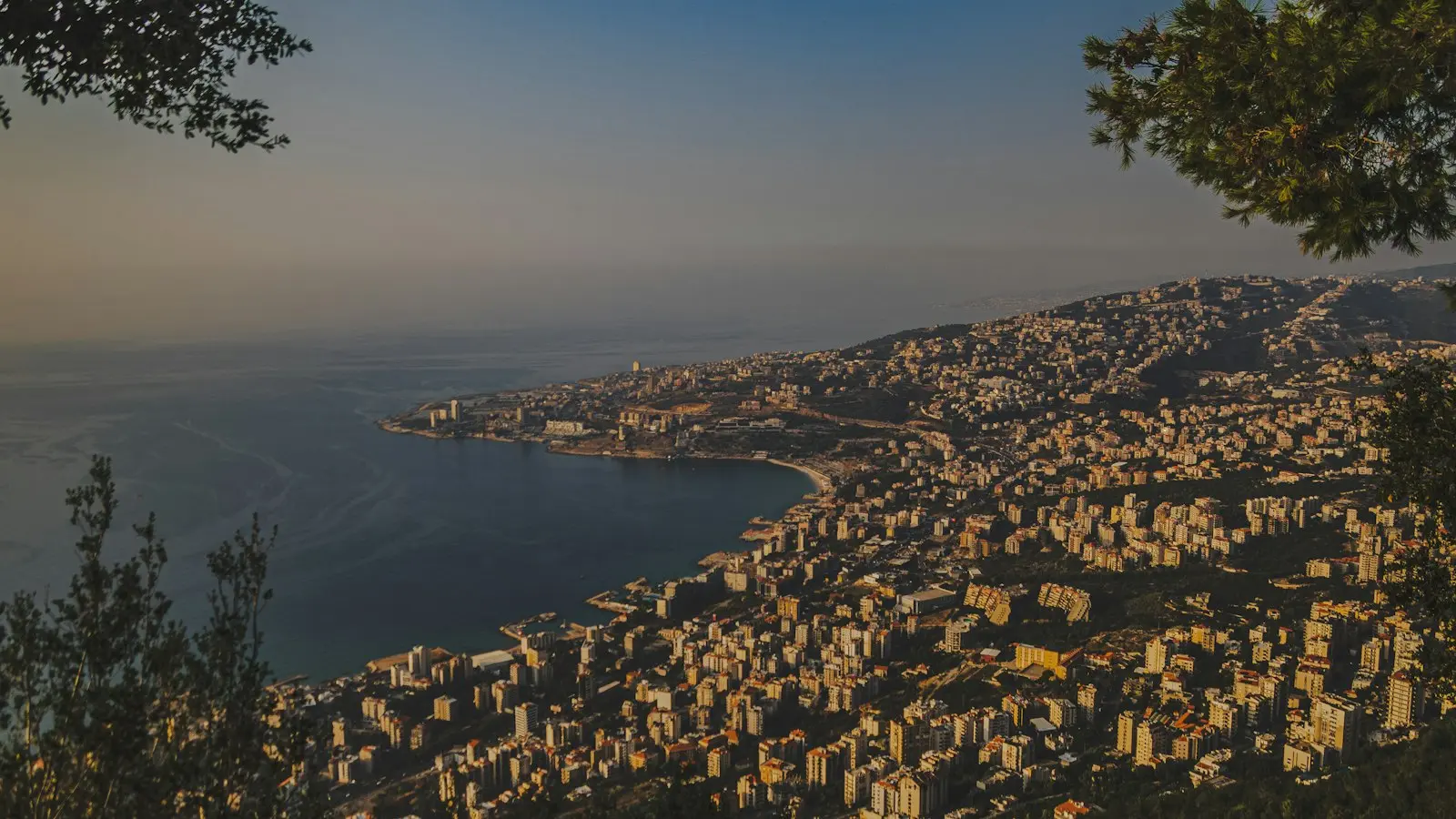
A first solo Lebanon trip is most practical when you allow seven to ten days, limit yourself to two or three bases, and treat the itinerary as adaptable rather than fixed. Beirut, Byblos, Batroun, and one carefully chosen inland or mountain destination can make a rich route, but conditions, road access, transport schedules, and official advisories need checking immediately before departure and throughout the visit.
Lebanon rewards curiosity more than hurried sightseeing. The best plan leaves room for a long meal, a neighborhood walk, a conversation that changes your afternoon, or a delayed journey that makes an ambitious schedule unrealistic.
Key Takeaways
- Allow seven to ten days and focus on two or three bases rather than trying to cover the entire country.
- Combine Beirut with Byblos and Batroun, then add one inland or mountain destination only if current conditions and transport allow.
- Use a mix of walking, local taxis, organized tours, public transport, and private drivers instead of assuming one option works everywhere.
- Check official travel advice, entry rules, insurance, payment practices, connectivity, and transport immediately before departure.
- Keep the itinerary flexible, but maintain basic safeguards such as sharing your plans, confirming return transport, and carrying offline emergency information.
1. Start with a realistic seven- to ten-day Lebanon travel itinerary
For a first visit, seven days is enough for an introduction, while nine or ten days gives you a useful buffer. Trying to cover Beirut, the northern coast, the mountains, the Bekaa, and southern destinations in one trip can turn a compact country into a tiring sequence of road transfers.
The key issue is not only distance. Roads, traffic, checkpoints, closures, weather, and informal transport schedules can make a short journey take much longer than a map suggests. A good Lebanon travel itinerary therefore measures days by experience, not by the number of pins added to a map.
A compact route could use Beirut as the main base, followed by one or two nights around Byblos or Batroun. This keeps the coastal portion manageable and gives you different settings: Beirut’s neighborhoods, food, museums, and Corniche; Byblos’s historic waterfront and old town; and Batroun’s smaller-scale coastal atmosphere.
A broader route can add one inland or mountain destination, but only after checking current access and arranging dependable transport. Depending on conditions, that might mean a day trip or overnight stay rather than another permanent base. The decision should follow current local information, not a generic itinerary written for a different season.
A flexible nine-day structure might look like this:
- Days 1–3: Stay in Beirut. Divide your time between neighborhoods, food, historic areas or museums, and a walk along the Corniche. Keep the first day light after arrival.
- Days 4–5: Travel north to Byblos and Batroun. You could sleep in one place and visit the other, or arrange an overnight stay if that simplifies the return journey.
- Days 6–7: Add one inland or mountain destination if roads, weather, transport, and official guidance support it. A guided day trip can be more practical than trying to coordinate several independent connections.
- Days 8–9: Return to Beirut, leaving the final day as a buffer for delays, changing conditions, shopping, food, or experiences discovered along the way.
If you have only seven days, keep Beirut and the northern coast, then make the inland stop optional. If you have ten days, do not automatically add more places; use the extra time for a second night, a slower food itinerary, or a contingency day.
2. Choose transport based on distance, confidence, and current conditions
Transport is one of the most important decisions in Lebanon solo travel because the cheapest option is not always the simplest, and the simplest option is not always available everywhere. Beirut, Byblos, Batroun, and inland areas should not be planned with identical assumptions.
Shared taxis can be useful for travelers comfortable asking where a vehicle is going, confirming the fare before departure, and accepting that the route may not feel as predictable as a conventional city bus. They can cost less than a private car, but pickup points, timing, and payment practices may vary. Ask your accommodation for current local advice rather than relying on an old schedule.
Buses and other public options may suit straightforward coastal journeys, but availability and frequency can change. Confirm the departure point, operating hours, fare, and last return option before leaving Beirut. A route that looks easy on paper can become inconvenient if you arrive late, miss the final service, or have luggage and no clear alternative.
An organized day tour is often a useful compromise for a solo traveler. It can combine several stops, provide context at historic sites, and remove the need to negotiate every connection alone. A small group also offers company without requiring you to surrender the whole trip to a fixed tour schedule.
A private driver costs more but may be worthwhile for an inland day, a complicated route, or a day when you want to focus on the landscape rather than navigation. Confirm the driver’s identity, the itinerary, what is included, the pickup time, and the return arrangement. A driver or guide simplifies logistics; it does not remove the need to monitor conditions.
Rental cars demand the most independence and responsibility. Traffic, unfamiliar driving patterns, parking, navigation, fuel availability, road quality, insurance terms, and local restrictions all matter. Self-driving may suit an experienced traveler who has checked the current situation carefully, but it is not automatically the best choice for a first solo trip. For many visitors, a mix of walking, local taxis, organized excursions, and a private driver is less stressful.
3. Build a practical Lebanon travel safety plan
Lebanon travel safety cannot be summarized as a single yes or no. Conditions can differ sharply by location and can change quickly. Check your government’s current advisory, Lebanese official information, airline updates, and reliable local guidance before departure and again before each regional journey.
Separate ordinary solo-travel habits from location-specific risks. Ordinary habits include sharing your itinerary with someone at home, keeping accommodation details accessible, using reputable transport, avoiding isolated areas at night, and carrying a charged phone with a backup battery. Keep copies of important documents stored securely offline and online.
If you encounter a demonstration, road closure, checkpoint, sudden service disruption, or a change in official advice, do not treat it as an inconvenience to work around. Pause, ask your accommodation or a reliable local contact about alternatives, and be willing to cancel a day trip. Avoid crowds and do not photograph sensitive security activity or restricted sites.
Accommodation choice supports safety as much as comfort. Look for a property with clear check-in instructions, responsive communication, and practical access to your planned transport. For a first Beirut stay, being near restaurants, useful transport, and well-used streets may be more valuable than choosing the cheapest room far from your daily route.
Dress should be guided by setting rather than by a single rule for the whole country. In many urban and coastal environments, clothing choices may be varied, but religious sites call for more modest coverage of shoulders and knees. Carrying a light layer is an easy way to adapt respectfully without making assumptions about every community.
Solo female travelers should avoid both alarmism and guarantees. Experiences differ according to location, time of day, age, identity, confidence, and personal boundaries. Situational awareness, a clear plan for getting home, and the freedom to decline invitations matter more than trying to prove that you can handle every situation alone.
4. Organize money, connectivity, accommodation, and emergencies before arrival
Payment practices can vary by business and region, so confirm current conditions rather than assuming that cards, ATMs, or mobile payments will work consistently. Carry enough local cash for the day’s realistic needs, with a separate reserve stored securely. The right amount depends on your accommodation, transport, spending style, and access to reliable withdrawal facilities; carrying all your money in one place is the larger mistake.
Do not exchange currency on the street. Use arrangements considered legitimate and secure under current official or reputable financial guidance, and check the terms before handing over money. Keep small denominations where practical, but avoid displaying a large wallet in busy areas.
Before flying, check whether your phone is unlocked and compare a local SIM with an eSIM. Availability, registration requirements, coverage, and activation procedures can change. Download offline maps, save your accommodation address in a format you can show a driver, and keep translation tools available without relying entirely on mobile data.
A power bank is useful because long transfers, navigation, and unexpected delays can drain a phone quickly. If you use a local number, give it to your accommodation and a trusted contact at home. Maintain a second communication option, such as hotel Wi-Fi or another device, when practical.
Insurance deserves particular attention on a trip where plans may change. Read the policy for medical treatment, cancellation, interruption, evacuation, pre-existing conditions, and exclusions connected with government advisories or security-related disruption. A policy that covers routine medical care may not cover evacuation or a trip taken against official advice.
Keep the following information offline and in your email or secure storage: passport details, insurance contacts, accommodation addresses, airline information, consular contacts, trusted home contacts, and official local emergency information. Use current numbers from official sources rather than copying an old travel guide.
5. Leave room for cultural immersion without losing structure
The most satisfying Lebanon solo travel usually has a loose daily rhythm: one or two anchor activities, a planned way to reach them, a meal, and open time. In Beirut, that might mean a morning historic site, an afternoon café or museum, and an evening walk only if the route and conditions feel comfortable. In Byblos or Batroun, it could mean a waterfront walk, an unhurried lunch, and time to explore beyond the most photographed street.
Food is a natural way to slow the itinerary. Rather than scheduling every restaurant, choose a few meals you care about and leave other slots open for bakeries, markets, family-run places, or recommendations from your accommodation. Be curious without treating people or neighborhoods as scenery, and ask before photographing individuals.
A guide or organized day tour can add cultural context as well as logistical confidence. It is especially useful when a destination has complicated transport, dispersed sites, or historical layers that are difficult to understand from a quick visit. You can still keep the rest of the trip independent.
Flexibility does not mean traveling without safeguards. Keep your accommodation confirmed, tell someone where you are going, check the return route, and set a time when you will reassess the day. That structure gives you room to accept an invitation for coffee or linger over lunch without turning a spontaneous moment into a transport problem.
Before departure, confirm entry eligibility, passport and visa requirements, permitted travel history, current advisories, insurance exclusions, accommodation, transport options, payment practices, mobile connectivity, and official emergency contacts. Then check them again close to departure. A careful solo Lebanon trip is not one that pretends uncertainty does not exist; it is one designed to absorb it.
Frequently asked questions
Is Lebanon suitable for a first solo trip?
It can be, particularly for travelers who are comfortable with changing plans and arranging transport carefully. Suitability depends on your nationality, travel experience, health, comfort with uncertainty, and the current conditions in the places you intend to visit. Review official advice immediately before departure and avoid treating any destination as risk-free.
What is the best nine-day itinerary for solo travel in Lebanon?
A balanced Lebanon nine day itinerary can use three days in Beirut, two days around Byblos and Batroun, two days for one optional inland or mountain destination, and two days back in Beirut or held as a buffer. The inland portion should remain conditional on current access, weather, transport, and official guidance.
Is it better to rent a car, use taxis, or hire a driver in Lebanon?
There is no universal best option. Shared taxis and public transport can reduce costs but may involve less predictable timing; private drivers and organized tours simplify complex days; and rental cars provide independence while adding responsibility for traffic, parking, navigation, insurance, and road conditions. A mixed approach is often the most practical choice for a first solo visit.