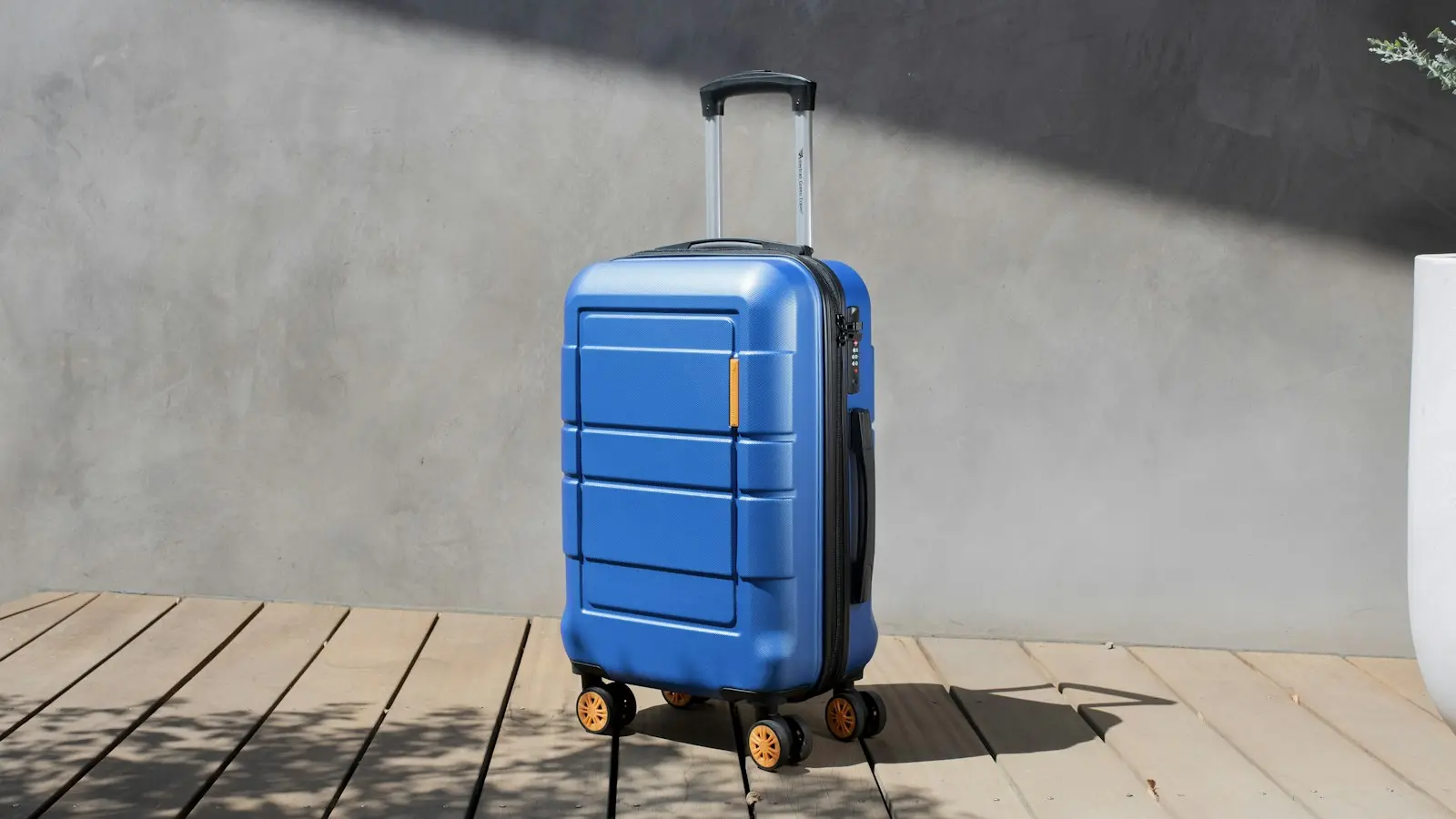
Carry-on only packing works best when you treat it as a constraints problem, not a contest to see how few possessions you can own. Start with your itinerary, trip length, weather, laundry access, dress requirements, personal essentials, and the operating airline’s current rules. Then build a small wardrobe around combinations rather than individual occasions.
The goal is not to prepare for every imaginable situation. It is to cover what is likely, important, or difficult to solve after arrival while leaving enough room and weight for a comfortable journey.
Key Takeaways
- Plan from your itinerary, not from a generic packing list.
- Build outfits from a coordinated wardrobe of versatile layers and limited footwear.
- Use rewear and realistic laundry plans to reduce clothing volume.
- Treat “just in case” items as decisions based on consequence and replaceability.
- Verify the operating airline’s current baggage rules and applicable security requirements before departure.
1. Turn the Trip Into a Packing Plan
Before opening a suitcase, write down what the trip actually involves. List the number of nights, destinations, transportation, planned activities, accommodation, and any dress expectations. A city break with museums and restaurants has different requirements from a beach holiday, business trip, or hiking itinerary, even if all last five days.
Mark the activities that determine your luggage. A formal dinner may require one polished outfit, while a trail walk may require specific footwear and clothing. A work presentation may make a casual wardrobe unsuitable. Conversely, packing a separate outfit for every dinner, sightseeing day, and travel leg usually creates duplication rather than useful variety.
Next, check likely weather for each location and travel date. Seasonal patterns can help with planning, but they are not forecasts, and conditions may change during the trip. Pay attention to temperature swings, rain, wind, humidity, and the difference between daytime and evening conditions.
Laundry access changes the calculation. If your accommodation has a washer, a nearby laundromat, or a practical place to hand-wash and dry clothing, you can pack for a rotation rather than for every day. If there is no laundry access and the climate is hot or physically demanding, you may need more clothing and a larger margin.
Separate non-negotiables from contingencies. Identification, medication, glasses, required work equipment, and clothing for a confirmed event belong in the first group. A third pair of shoes for an activity you may not do, several weather-specific garments, or specialized equipment that could be rented may belong in the second.
Carry-on-only travel is not always the sensible choice. Extensive medical equipment, formal events, extreme climates, protective gear, long trips without laundry, and certain family or work requirements can make a checked bag more practical. The point is to choose the right constraint, not to force every journey into one small bag.
2. Build a Small Wardrobe That Handles More Than One Day
A useful carry-on packing checklist starts with outfit combinations, not a target number of shirts. Choose a restrained color palette so that most tops, bottoms, and layers work together. Neutrals are easy to combine, but one or two accent colors can keep the wardrobe from feeling monotonous.
Use an outfit formula based on the itinerary. For example, you might need comfortable travel trousers, two additional bottoms, several tops, one warmer layer, and one outfit that looks more polished. The precise count depends on the trip, laundry, climate, and personal comfort. Someone walking outdoors in humid weather may need a different rotation from someone spending most of the day in air-conditioned interiors.
The strongest pieces usually do more than one job. A casual button-down may work for sightseeing, dinner, or an extra layer over a T-shirt. A plain sweater may serve on the plane, during cool evenings, and in an informal workplace. Comfortable trousers can be more valuable than a separate pair reserved for one occasion.
Prioritize clothing that suits the conditions and can be worn in combinations. Quick-drying or lightweight garments may be useful when washing is part of the plan, but no fabric solves every problem. Consider comfort, drying time, care instructions, opacity, warmth, and how the garment behaves after several hours of wear.
Layers are the practical answer to uncertain weather. Instead of packing separate bulky outfits for warm, cool, and rainy conditions, combine a base layer with a mid-layer and a weather-appropriate outer layer. A light rain shell, cardigan, overshirt, or compact insulated layer may cover more situations than several heavy garments, depending on the destination.
Footwear deserves particular scrutiny because it consumes space and adds weight. Choose shoes that cover the main activities and wear the bulkiest practical pair during transit. A second pair may be justified for formal events, wet conditions, or a genuine activity conflict, but a third pair often reflects anxiety more than need.
A flexible clothing checklist might include underwear and socks for the planned rotation, sleepwear, everyday tops, two or more compatible bottoms, a warm or weather-resistant layer, activity-specific clothing, and one versatile outfit for a less casual setting. Treat this as a framework, not a universal list. The itinerary should decide what stays.
3. Control Toiletries, Electronics, and Contingencies
Toiletries expand quietly because travelers pack full-size products, duplicates, and backups for problems that may never occur. Build a small kit around what you actually use each day. Consider solid or non-liquid alternatives where they suit you, and avoid bringing several products that perform the same job.
Keep liquids organized according to the security requirements that apply to your departure airport, transit points, and destination. Liquid limits, screening procedures, and exemptions can vary by location and may change. Check current guidance from the relevant airport, aviation authority, or government agency rather than relying on a familiar rule from a previous trip.
Medication deserves separate attention. Keep essential medication clearly identified and accessible, and check the requirements that apply to prescriptions, quantities, medical supplies, and transit countries. Practical organization is useful, but it is not a substitute for checking official requirements or asking a clinician or pharmacist about a specific medical situation.
Pack identification, travel documents, valuables, and anything needed during transit where you can reach them without emptying the entire bag. The same applies to a light layer, reading glasses, headphones, and basic personal necessities. A bag that technically fits but requires a complete excavation at security is poorly organized.
Review rules for power banks, spare batteries, chargers, cameras, and other electronic devices before departure. Batteries and power banks may have specific carriage or protection requirements, and policies can differ by airline and jurisdiction. Keep relevant electronics accessible for screening and protect loose batteries from contact with metal objects.
Use a probability test for just-in-case items. Bring an item when the consequence of not having it is meaningful, replacement is difficult, or it is essential to a confirmed plan. Leave it behind when it is bulky, inexpensive and easy to replace, or intended only for a highly unlikely scenario.
This does not mean ignoring real risks. A small first-aid selection, necessary personal-care item, or weather protection may earn its space. The discipline is to distinguish a useful contingency from an object that merely calms packing anxiety.
4. Use Rewear and Laundry to Pack Light for Vacation
The number of days in a trip does not have to equal the number of complete outfits. Plan a realistic clothing rotation based on climate, activity level, hygiene, fabric care, and access to washing facilities. You might pack fewer core garments for a cool urban trip than for a hot trip involving daily exercise.
Rewear suitable basics and outer layers when they remain clean, dry, and comfortable. A jacket, overshirt, or pair of trousers may be worn repeatedly, while items next to the skin may need more frequent changes. Do not treat rewear as a challenge when clothing is wet, visibly soiled, or unhygienic.
If you plan to hand-wash, make the routine practical before you leave. Check whether the accommodation has a place for washing and enough airflow or time for clothes to dry. A wash late at night before an early departure may be less useful than it sounds, particularly in a humid room.
A small laundry bag keeps worn clothing separate from clean items and makes the system easier to maintain. For longer trips, schedule a laundromat visit or accommodation laundry rather than hoping you will find time. Laundry is part of the itinerary when it determines how much clothing you need.
There is a clear trade-off. Fewer clothes reduce bulk, but they may require washing, repetition, and a willingness to wear a smaller selection. Pack more when laundry is inaccessible or your activities make frequent changes reasonable. Pack less when the trip suits a simple rotation and you can wash without disrupting the schedule.
5. Check Airline Rules and Test the Bag Before Leaving
Airline cabin-bag rules are not universal. Confirm the operating airline’s current cabin-bag dimensions, weight limit, personal-item allowance, number of permitted pieces, and fare restrictions. Rules may vary by airline, route, aircraft, ticket type, or frequent-flyer status, and a bag accepted on one journey may not qualify on another.
Measure the packed bag from the outside, including wheels and handles when the airline’s instructions specify them. Soft-sided bags can change shape when overfilled, so check the actual packed profile rather than relying only on the manufacturer’s description. A personal item also needs to fit the stated allowance; it is not automatically an extra full-size bag.
Run a staged final test. First, lay every item out and remove duplicates. Ask whether each garment belongs to a planned outfit, whether each device has a purpose, and whether each contingency justifies its space. Then identify anything bulky that can reasonably be worn during transit.
Wear the bulkiest practical clothing, but do not make the journey uncomfortable or create unnecessary difficulty at security. Finally, weigh the bag with its real contents, including chargers, toiletries, and items added at the last minute. If the bag is close to the limit, remove something rather than assuming enforcement will be lenient.
Leave room for minor purchases only when the remaining weight and space are genuinely available. Otherwise, a souvenir can turn a compliant bag into an overweight one. Keep documents, medication, liquids, and electronics positioned for quick access, and perform one last review of current airline and security guidance before departure.
FAQ: Carry-On Only Packing Questions
How many outfits should you pack for a carry-on-only trip?
Pack for a planned rotation rather than one complete outfit per day. The right amount depends on climate, activity, laundry access, and hygiene preferences. A short trip with laundry or easy rewear may need only a few coordinated outfits, while hot weather, exercise, formal events, or no laundry access can justify more.
How do you pack for changing weather with one small bag?
Use layers that can be combined instead of packing separate bulky outfits for every temperature. Start with comfortable base clothing, add a versatile mid-layer, and choose one outer layer suited to the likely conditions. Check the forecast close to departure, but allow for uncertainty without packing every hypothetical garment.
What should you check before flying with a carry-on bag?
Check the operating airline’s current size, weight, fare, personal-item, and piece allowances. Also verify the applicable airport and government guidance for liquids, medication, medical supplies, power banks, spare batteries, and screening procedures. Pack and weigh the bag as it will actually travel, including the items in your personal item.