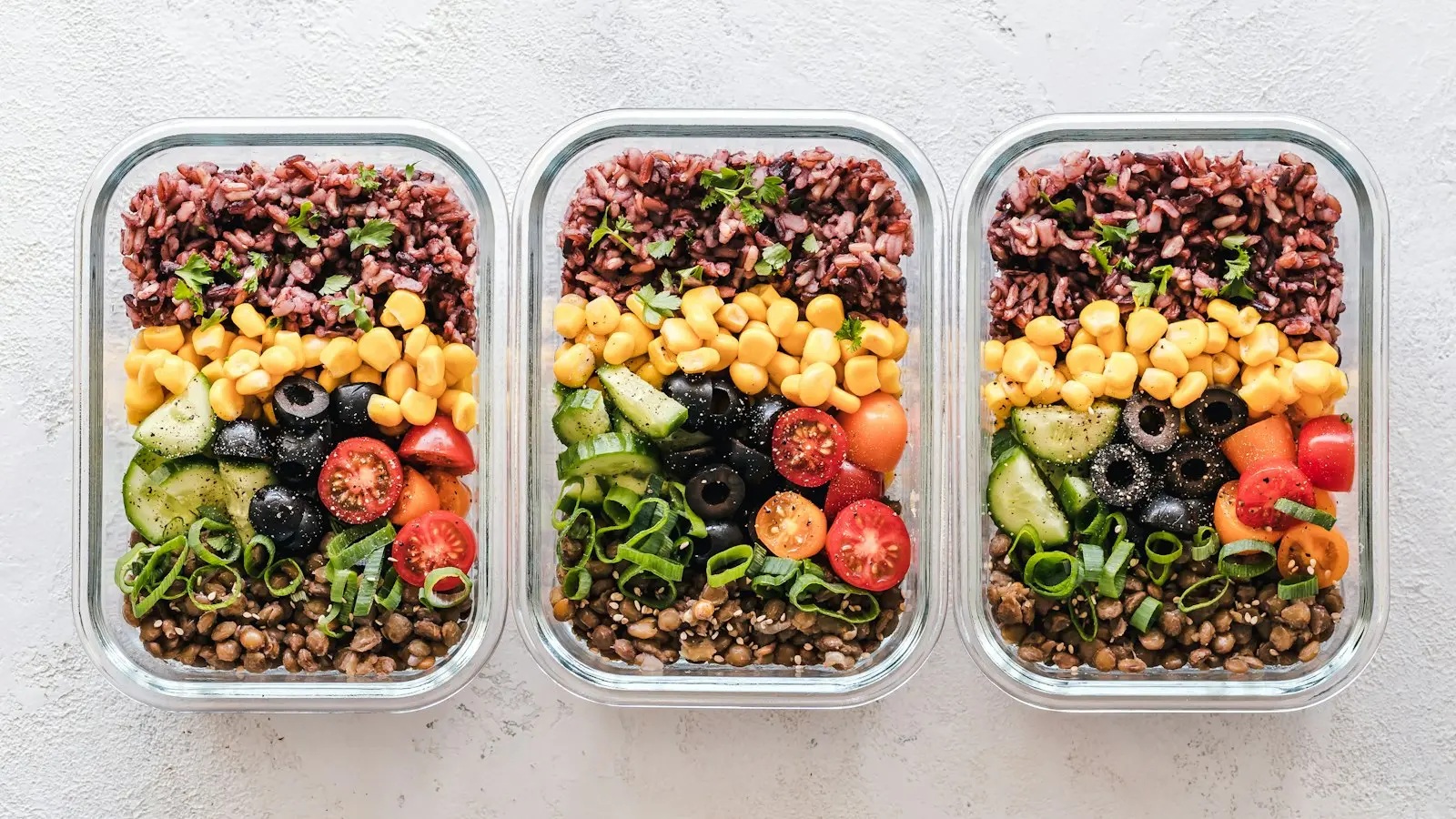
Meal prep can save money compared with buying lunch, but only when the meals are affordable, actually eaten, and prepared without creating excessive waste. The useful comparison is not a grocery receipt versus a restaurant bill. It is the realistic cost of one homemade lunch—including unused ingredients and preparation time—versus the full cost of the lunch you would otherwise buy.
A simple starting formula is:
Potential saving per meal = purchased lunch cost − realistic homemade lunch cost
To make that calculation useful, include drinks, condiments, transport, delivery, containers, wasted food, and the value you place on your own time. Then multiply the result by the number of lunches you genuinely prepare and eat, not the number you hope to make.
Key Takeaways
- Meal prep cost savings come from meals that are actually eaten, not meals that are merely planned.
- Compare the full cost of both options, including waste, packaging, transport, preparation time, and usual add-ons.
- Larger batches can lower the cost per serving but may increase waste, storage problems, and menu fatigue.
- Assign preparation time a personal value rather than treating one hourly rate as universally correct.
- Buying lunch can be the better practical choice when it protects consistency, convenience, or food access.
Define the Two Lunches You Are Comparing
Start with one specific homemade lunch and one realistic purchased alternative. Comparing a basic rice-and-beans container with an elaborate restaurant entrée will make meal prep look artificially attractive. The portions, satisfaction, convenience, and general purpose should be broadly similar.
For example, compare a homemade chicken grain bowl with the lunch you normally buy near work. Or compare a packed sandwich, fruit, and drink with the convenience-store combination you would otherwise choose. The point is not to prove that cooking wins; it is to reproduce the decision you actually face.
For a homemade meal, list the usable cost of the ingredients, including oil, spices, sauces, condiments, and toppings that materially contribute to the dish. Add cooking fuel or electricity only if it would meaningfully change the result. Include containers or freezer supplies when you buy them specifically for the routine, but do not charge the full price of a reusable container to every meal. Spread a durable item over the number of uses you reasonably expect.
For a purchased lunch, record the menu price and any tax, tip, delivery charge, parking, transit, or service fee. Include the drink, snack, or add-on you normally purchase rather than comparing a bare menu item with a complete homemade meal. If you walk to a nearby café, transport may be zero. If buying lunch requires a separate drive or delivery order, it belongs in the comparison.
There are at least three different buying habits worth separating: a restaurant lunch, a convenience meal, and a simple packed lunch assembled without batch cooking. A person who buys a modest sandwich twice a week has a different break-even point from someone ordering delivered meals every workday.
Calculate the Real Cost of a Homemade Lunch
The basic per-serving calculation is:
Total usable batch cost ÷ servings actually eaten = food cost per homemade lunch
“Actually eaten” is important. If you cook six portions but discard two because the recipe becomes unappealing, those discarded portions should not disappear from the calculation. Either divide the full usable batch cost by the four meals eaten or record the discarded food as waste against the routine.
Suppose a hypothetical batch costs $36 in ingredients and produces six intended portions. If all six are eaten, the food cost is $6 per lunch. If one portion is forgotten and discarded, the effective cost of the five meals eaten is $7.20 each. These figures are illustrative, not universal prices; local groceries and household portions can produce very different results.
Also distinguish between what you bought and what the batch used. A large bottle of sauce may cost more at checkout, but the lunch should be charged only for the amount used, with an allowance for the risk that the rest will expire. Conversely, if you buy an unusual ingredient for one recipe and never use it again, some or all of that purchase may belong in the waste calculation.
A practical food budget calculation has four lines:
- Ingredients used in the batch
- A reasonable allowance for ingredients that spoil or remain unused
- Packaging and supplies attributable to the meals
- The number of portions actually eaten
Household staples complicate the picture. If you already keep salt, oil, rice, or common spices for other meals, charging their entire purchase price to work lunches exaggerates the cost. If meal prep causes you to buy specialty sauces, single-use garnishes, or oversized packages, those costs deserve more attention.
Batch size cuts both ways. Larger batches can reduce repeated chopping, cooking, and cleanup. They can also produce menu fatigue, storage problems, or food that no longer seems appealing by the end of the week. A theoretically cheap meal that leads to two restaurant purchases and two abandoned containers may be more expensive than a smaller, more varied plan.
Add Time, Transport, and Convenience to the Comparison
Meal prep time should be measured, not assumed. Add shopping, chopping, cooking, portioning, dishwashing, and cleanup. Then divide the total by the meals actually used.
If a routine takes two hours and produces eight lunches, the preparation component is 15 minutes per meal. If it produces only four eaten lunches, the effective time is 30 minutes per meal. This is the meal prep time cost that many grocery-only comparisons miss.
You still need to decide what that time is worth. There is no universally correct hourly rate. One person may value an hour of cooking at the rate they could earn, while another may see cooking as useful downtime and assign it a much lower value. Someone working a second job, caring for children, or recovering from a demanding shift may reasonably place a high value on avoiding another task.
Use a personal value rather than presenting one as an economic fact. For example:
Time cost per meal = preparation minutes per meal ÷ 60 × your chosen hourly value
If preparation takes 15 minutes per lunch and you value that time at $12 an hour, the time component is $3 per meal. Add it to the food and waste cost for an “effective” homemade cost. You can also leave time outside the dollar calculation and treat it as a separate decision factor. Both approaches are valid if you apply them consistently.
Buying lunch has time costs too. Include the walk, drive, queue, ordering, delivery wait, and return trip when they are meaningful. A purchased meal may cost more in cash but save a tiring trip during a packed workday. A packed lunch may cost less while requiring early preparation that makes the morning harder.
Consider four common routines. Someone cooking twice weekly may get most of the savings without committing to a large weekly session. A family-size batch may lower the cost per serving if several people eat it, but only if portions match household preferences. Freezer-friendly meals can reduce spoilage and provide variety, provided they are cooled, stored, thawed, and reheated according to current guidance from an authoritative food-safety agency. Someone who buys lunch only on busy days may find that a mixed system delivers better value than trying to eliminate every purchase.
Convenience, variety, energy, and adherence should not be forced into false precision. A meal that is ready when you need it has value. So does a lunch that you look forward to eating. The financial calculation should clarify the trade-off, not pretend that every benefit can be priced exactly.
Identify When Meal Prep Saves the Most—and When It Does Not
Packed lunch savings are usually strongest when the recipe is repeatable, ingredients overlap with other household meals, portions are sensible, and the food is reliably eaten. A lentil stew, pasta bake, grain bowl, or soup may use inexpensive ingredients across several servings, while a plan built around specialty items may produce a smaller advantage.
Storage access matters. Reliable refrigeration at home and at work makes it easier to prepare food ahead. A freezer can extend the useful life of suitable meals and reduce the pressure to eat the same dish on consecutive days. It does not remove the need to follow current food-safety guidance on cooling, storage duration, thawing, reheating, and transport.
Common failure points are predictable. People buy ingredients for an ambitious menu, prepare too many portions, forget a container at home, or lose interest in leftovers. Some then buy lunch while the prepared food remains in the refrigerator. That is not a moral failure; it is a cost that belongs in an honest calculation.
Meal prep is also not automatically healthier or better value nutritionally. A homemade meal can be unbalanced, oversized, or built around expensive ingredients. A purchased lunch can be simple and satisfying. Nutrition depends on the recipe, ingredients, portions, and the alternative being compared.
Buying lunch may be the better practical choice when storage or reheating is unavailable, a worker is traveling, the day is unusually busy, or the price gap is small enough that convenience protects consistency. If a homemade lunch would save only a little but regularly goes uneaten, the theoretical saving is not a real saving.
Use a Personal Break-Even Calculation
Put the numbers into a small worksheet or note on your phone:
Purchased lunch: menu price + tax, tip, drink, fees, and transport
Homemade lunch: ingredients used + waste allowance + packaging + time value
Effective saving: purchased lunch − homemade lunch
Then multiply the effective saving by the number of homemade lunches actually eaten each week. If the result is $4 per meal and you eat three packed lunches weekly, the apparent weekly saving is $12. Over a month, that may be meaningful—or it may not justify a routine that takes too much energy. The answer depends on your budget and circumstances, not a universal threshold.
Consider this hypothetical example. A worker usually spends $15 on a purchased lunch after adding a drink and fees. A batch of homemade meals costs $42 in ingredients and supplies, produces seven portions, and takes 2.5 hours to shop, cook, portion, and clean. All seven portions are eaten, so the food cost is $6 per meal. If the worker values preparation time at $12 an hour, the time adds about $4.29 per meal, producing an effective homemade cost of roughly $10.29 and a realistic saving of about $4.71 per lunch.
If two portions are discarded, the food cost rises because the $42 batch is spread across five meals eaten. If the worker then buys lunch twice because of menu fatigue, the weekly saving shrinks again. The calculation reveals where the routine needs adjustment: a smaller batch, more freezer use, fewer cooking steps, or a different recipe.
Test one or two meals for two weeks before buying a large collection of containers or planning an elaborate schedule. Track portions prepared, portions eaten, discarded food, total hands-on time, and lunches purchased anyway. Meal prep cost savings become credible when the routine survives ordinary workdays, not just an optimistic planning session.
FAQ
Is meal prep always cheaper than buying lunch?
No. It is often cheaper when ingredients are used efficiently and the meals are eaten, but waste, specialty groceries, preparation time, and unused portions can erase the difference. Compare your normal purchased lunch with a realistic homemade alternative.
How do I calculate the cost of my homemade lunch per serving?
Add the usable ingredient costs, relevant supplies, and a waste allowance, then divide by the number of portions actually eaten. Do not divide by the intended number of servings if some are discarded.
How should unused ingredients and discarded leftovers affect the calculation?
Charge the meal for ingredients that spoil or are bought mainly for the plan, and count discarded leftovers as waste. A batch that produces six portions but results in only four meals eaten should be evaluated on those four meals, not six.
Is meal prepping worth it if cooking takes a lot of time?
It can be, but assign the time a personal value and compare the result with the time and convenience involved in buying lunch. A twice-weekly or freezer-based routine may offer a better balance than cooking every day.
The best meal prep system is not the one with the lowest theoretical ingredient cost. It is the one that produces lunches you will actually eat, at a time and effort level you can sustain. For some workers that means several packed meals each week; for others, it means cooking occasionally and buying lunch deliberately on demanding days.