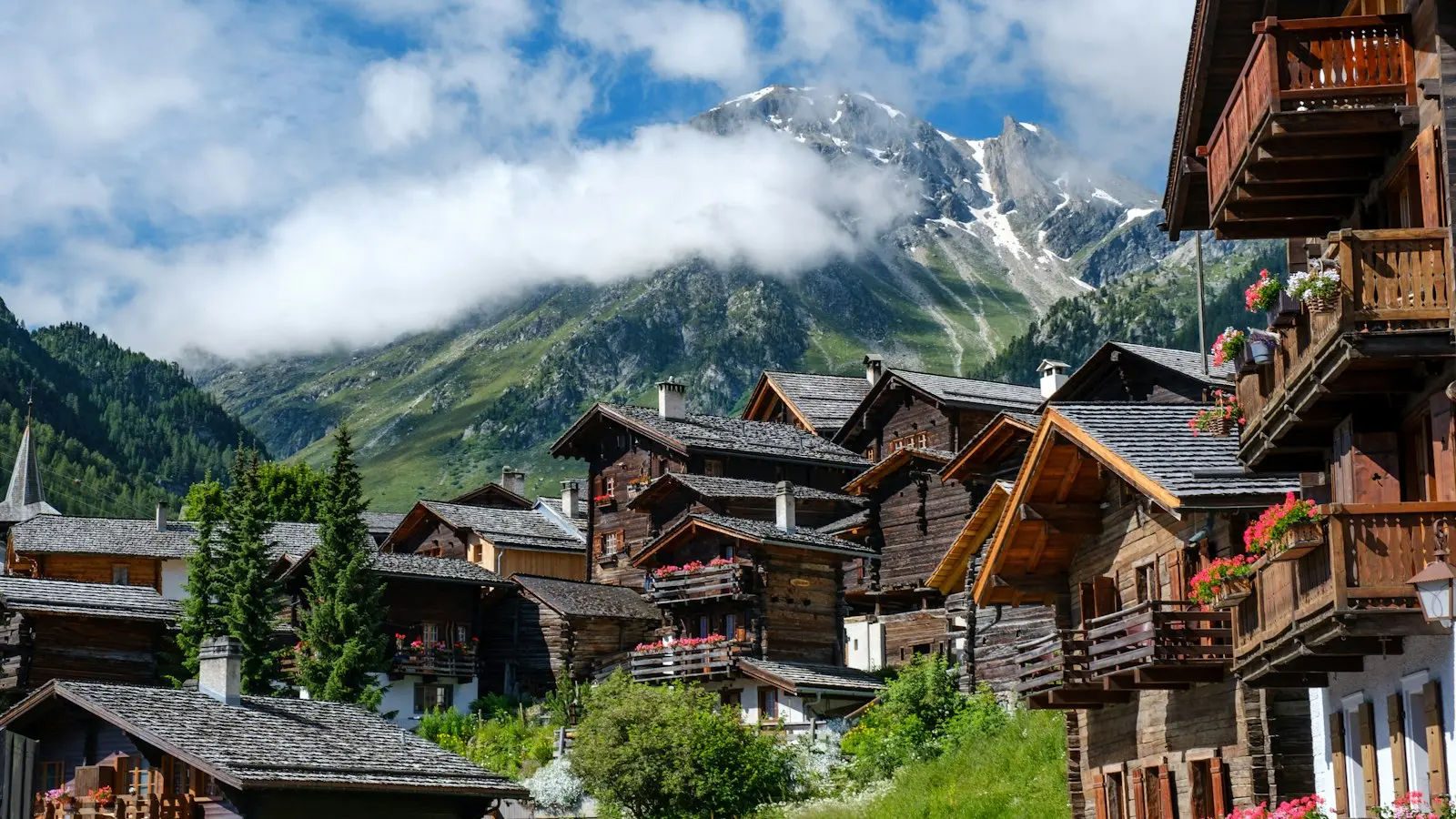
Switzerland is expensive, but a ten-day visit does not have to mean luxury hotels, restaurant meals at every sitting, and a costly mountain excursion every morning. A realistic Switzerland 10 day budget comes down to four decisions: where you sleep, how often you move, how you eat, and which scenic experiences you pay for.
Plan in Swiss francs, or CHF, and treat the figures below as broad estimates rather than live quotations. They assume one traveler in a shared room or two travelers sharing a private room, and exclude international flights, shopping, travel insurance, and major personal purchases. Prices vary by destination, room type, booking date, and season, so check current totals for your dates before booking.
Key Takeaways
- Two or three bases usually cost less and create less logistical friction than changing hotels every night.
- Compare a Swiss Travel Pass, regional passes, saver fares, and point-to-point tickets against your actual route rather than assuming one option is always cheapest.
- Supermarkets, bakeries, casual meals, and occasional restaurants can reduce food costs without eliminating Swiss specialties.
- Free scenery, walking routes, lakeside areas, and town visits can form the core of the trip; choose only a few paid mountain or scenic upgrades.
- Shoulder seasons such as October may improve value, but weather, daylight, and attraction schedules are less predictable.
Build a Realistic Switzerland 10 Day Budget Before Booking
A useful formula is:
Total trip budget = accommodation + transport + food + activities + taxes and contingency.
Accommodation is usually the largest controllable expense. Transport can become the second, especially when the itinerary includes long rail journeys, mountain railways, panoramic trains, and local connections. Food is easier to moderate than many visitors expect, while activities can either remain modest or add several hundred francs to the trip.
As a broad planning framework for ten days and nine nights, a value-focused traveler might work with roughly CHF 1,300–2,000 per person, excluding international flights. That generally means hostels, simple guesthouses, or rooms outside the most expensive centers; limited hotel changes; supermarket breakfasts and lunches; carefully chosen public transport; and only one or two paid highlights.
A moderate trip might fall around CHF 2,000–3,500 per person. This could include comfortable mid-range lodging, a mixture of groceries and restaurants, several long rail journeys, and selected cable cars, museums, cruises, or mountain railways. A comfortable trip can easily reach CHF 3,500–5,500 or more per person, particularly when staying in resort centers, eating out frequently, booking private rooms, and adding several premium excursions.
These are planning ranges, not guarantees. They should include lodging, on-the-ground transport, food, ordinary sightseeing, and a contingency. They should not quietly include airfare, insurance, shopping, or a large currency buffer.
The Swiss franc also deserves a practical warning. Exchange rates can make the same trip feel more or less expensive in dollars, pounds, euros, or another home currency, but favorable currency movements will not turn Switzerland into a cheap destination. Build the budget in CHF first, then convert it using a dated rate and leave room for variation.
Choose an Itinerary That Limits Expensive Movement
Changing hotels every night may look efficient on a map, but it often works against a Swiss travel budget. Each move can involve another rail fare, a station transfer, luggage storage, check-in time, and the temptation to use taxis when connections become awkward. It also reduces the time available for walking, resting, or enjoying the place you paid to visit.
For ten days, two or three bases are usually easier to manage than five or six. One workable structure is:
- Days 1–3: a city or lake-region base.
- Days 4–6: an alpine or mountain-region base.
- Days 7–10: a second city, lake, or centrally connected base.
The specific locations should follow current room prices and your priorities rather than a fixed list of famous names. A traveler interested in museums and urban food may favor a city with strong rail connections. Someone focused on hiking may accept a smaller town or village with fewer restaurants but better trail access.
Lower-cost bases near major sights can help, but only when the savings survive the commute. Staying outside a famous resort may reduce the nightly rate, yet a costly local train, bus, or cable-car connection can erase much of the difference. Check the complete door-to-door route, the last evening connection, and whether your accommodation provides any local transport benefit.
A transport hub can be worth a slightly higher room rate. Easy connections reduce taxi risk, simplify day trips, and make it easier to return from a hike without paying for an emergency overnight move. The cheapest room is not always the cheapest base.
Decide Whether a Swiss Rail Pass Is Good Value
The Swiss rail pass question has no universal answer. A Swiss Travel Pass may suit a traveler making frequent journeys, using local transport in several cities, visiting included museums, or paying for flexibility rather than chasing the lowest possible fare. Point-to-point tickets can be better for a slower itinerary with only a few long journeys, particularly when advance-purchase saver fares are available.
Compare the options in a spreadsheet before buying. List every planned journey, including airport or border transfers, day trips, local buses, boats, and return journeys. Record the current point-to-point price for the relevant date and fare type. Then add eligible local transport and attractions and compare the total with the current pass price.
Do not assume that a pass makes every mountain excursion free. Scenic trains, premium panoramic services, seat reservations, mountain railways, cable cars, and special routes may require reservations, supplements, or separate tickets. Some attractions may be included, some discounted, and some unaffected. Coverage depends on the selected pass and service.
A pass is more likely to suit a ten-day trip with several long travel days and a preference for flexibility. Individual tickets may suit a traveler who stays in two bases, books saver fares early, and does not use many included attractions. A regional pass can also be worth comparing when most travel is concentrated around one lake or alpine area.
The important calculation is not “pass versus train tickets” in the abstract. It is the cost of your actual route, on your actual travel days, with the actual supplements included.
Reduce Daily Spending Without Stripping Away the Experience
Accommodation. Compare hostels, guesthouses, apartments, and hotels outside the most central streets or resort cores. Check the total rather than the headline nightly rate. Breakfast may cost extra, apartments may add cleaning charges, and local tourist taxes may be collected separately. Cancellation flexibility can also carry a premium, but it may be worthwhile when mountain weather can disrupt plans.
A property that includes breakfast or a local transport card may be better value than a slightly cheaper room with no extras. Conversely, do not pay for benefits you will not use. A traveler leaving before breakfast for early hikes may prefer a lower room rate and a bakery stop.
Food. Switzerland is not the place to assume that every meal can be improvised cheaply in a restaurant. A more workable pattern is supermarket supplies or bakery food for breakfast, a simple takeaway or packed lunch during the day, and one sit-down meal when you want to try a local specialty.
Keep a daily food allowance rather than a single rigid meal price. Coffee, bottled drinks, snacks, and station purchases can quietly add to the Switzerland trip cost. Carrying a refillable bottle and buying food away from major stations can help, but convenience has value too; an overly strict plan can turn a holiday into a series of small frustrations.
You can still try Swiss specialties without dining expensively every night. Choose one memorable fondue, raclette, rösti, pastry, or regional dish, then balance it with groceries, casual cafés, and self-catered meals. Apartments are useful only if you will actually cook; otherwise, the extra cleaning fee and higher nightly rate may not pay off.
Activities. Much of Switzerland’s visual appeal is free. Walking routes, lakeside paths, public viewpoints, historic streets, village visits, and self-guided scenic outings can form the core of the trip. You do not need to purchase a cable-car ticket each day to experience the Alps.
Paid upgrades should be selected rather than accumulated. A mountain lift, boat cruise, museum, scenic railway, or guided hike can be worthwhile, but several in a single day may produce a surprisingly large bill. Pick one or two experiences that are central to your trip and keep the remaining days flexible and inexpensive.
Consider October and Other Shoulder-Season Dates
Shoulder season can improve value, but it is not a guarantee of low prices. October may bring softer demand in some locations and more reasonable accommodation than peak summer or major winter periods. It can also offer attractive walking conditions at lower elevations and a quieter feel in towns.
The trade-off is variability. Mountain weather can change quickly, daylight is shorter than in midsummer, and some cable cars, mountain restaurants, hiking services, or seasonal attractions may operate on reduced schedules or close for maintenance. Snow can affect higher routes, while warm weather may not be reliable enough for a particular outdoor plan.
Before booking an October itinerary, check operating calendars for every major paid experience. Keep at least one low-cost alternative for poor weather, such as a museum, town visit, lakefront walk, or indoor market. Shoulder-season value is strongest when you are comfortable adapting rather than expecting every attraction to run on a summer timetable.
Sample Budgets, Booking Checks, and Practical Limits
Here is how three spending profiles might look for ten days and nine nights:
- Value-focused, roughly CHF 1,300–2,000 per person: hostel or simple guesthouse, two or three bases, groceries and casual meals, carefully selected rail fares, free walking and sightseeing, and one paid highlight.
- Moderate, roughly CHF 2,000–3,500 per person: comfortable shared-room lodging or modest private rooms, a balanced restaurant and grocery routine, several intercity journeys, and a few paid attractions or mountain experiences.
- Comfortable, roughly CHF 3,500–5,500 or more per person: central or resort-area lodging, private rooms, frequent restaurant meals, flexible transport, and multiple scenic, mountain, or guided upgrades.
Before booking, check the full accommodation total, including tourist taxes, breakfast, cleaning fees, deposits, and cancellation conditions. For transport, compare the complete itinerary with individual tickets, saver fares, regional passes, and national passes. Confirm whether reservations or supplements apply.
Check opening dates for cable cars, mountain railways, boats, museums, and scenic services. Convert the final CHF total into your home currency using a dated exchange rate, then add a contingency for missed connections, weather changes, replacement transport, and ordinary price variation. Keep insurance and an emergency fund outside the fun-money calculation rather than treating them as optional luxuries.
FAQ
Is Switzerland too expensive for a ten-day trip?
It is expensive compared with many European destinations, but it is not limited to luxury travelers. The largest controllable costs are usually room location and standard, the number of hotel changes, restaurant frequency, rail strategy, and mountain excursions. A slower itinerary with simple lodging and selective paid experiences can make the trip manageable without removing its essential appeal.
Is a Swiss Travel Pass cheaper than buying individual train tickets?
Not automatically. Compare your actual journeys, travel days, local transport, included attractions, discounts, reservation requirements, and mountain-railway supplements. A pass may offer more value when you travel frequently and want flexibility; point-to-point tickets may win when you stay in fewer bases and book eligible saver fares.
What is the cheapest way to travel around Switzerland for ten days?
Use two or three well-chosen bases, stay near practical rail connections rather than only famous resort centers, compare passes with individual fares, and avoid assuming every scenic upgrade is necessary. Combine supermarkets and bakeries with occasional restaurants, prioritize free scenery, and spend on only the mountain experiences that matter most to you.
A good Switzerland 10 day budget is less about finding a secret bargain than deciding what deserves your money. Spend deliberately on location, access, and one or two memorable experiences, and let the landscape provide much of the rest.