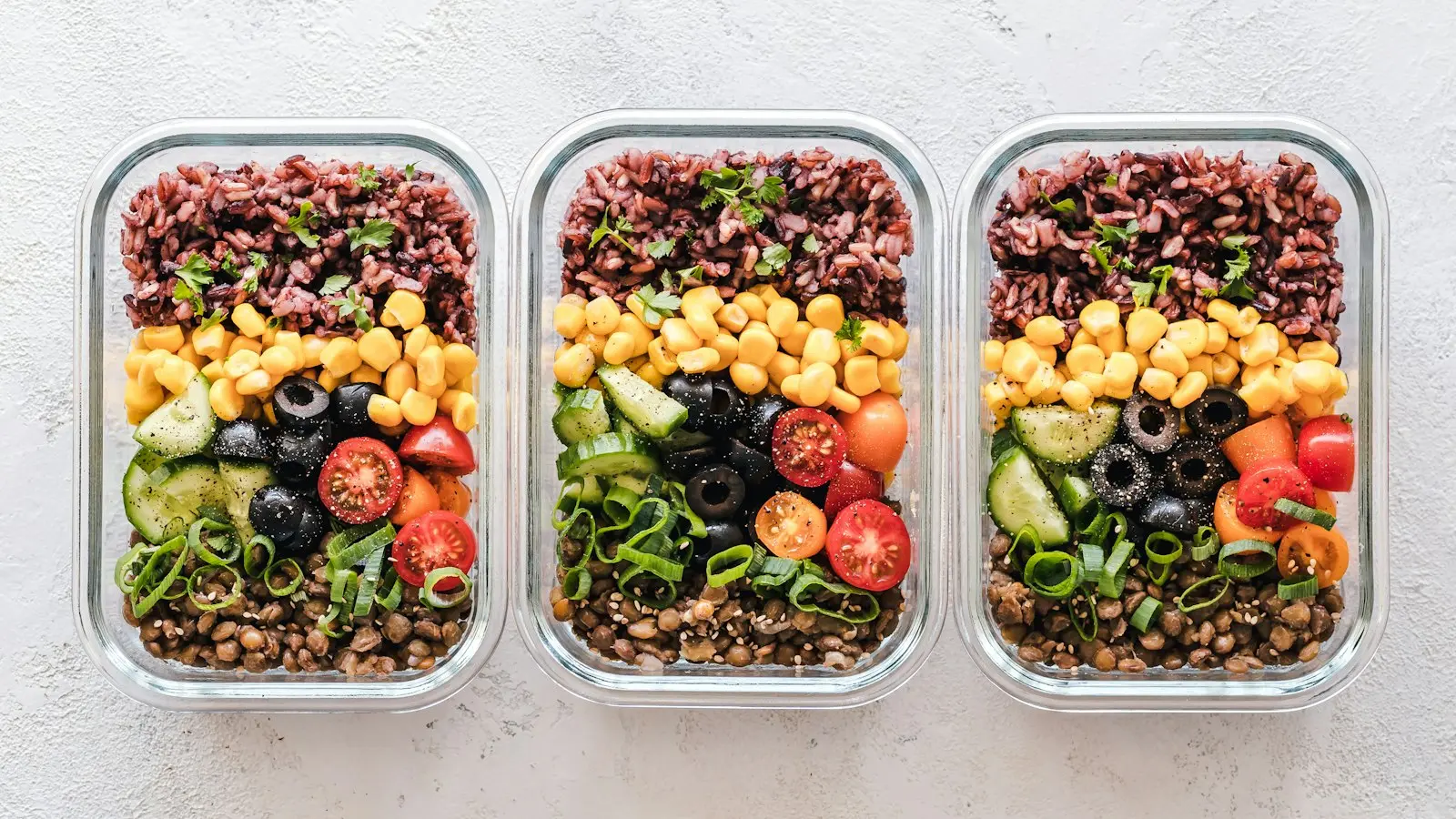
Meal prep for one person can be cheaper, but it is not automatically a bargain. The savings appear when you eat most of what you buy, reuse ingredients across different meals, and choose a cooking system that fits your time and storage space.
The useful comparison is not the grocery receipt divided by a recipe’s advertised yield. It is the cost of each meal actually eaten, including wasted ingredients, abandoned leftovers, containers, cooking effort, and the convenience meals you buy when your prepared food becomes unappealing.
Key Takeaways
- Meal prep for one is cheaper only when most of the food gets eaten.
- The real cost includes waste, time, storage, cleanup, and convenience meals bought later.
- Planning two meals around overlapping ingredients offers variety without requiring two separate shopping trips.
- Component prep and smaller shopping trips can be better than batch cooking when storage or appetite is limited.
- Calculate cost per meal actually eaten, then compare it with your realistic alternatives.
The real cost of meal prep for one
A large batch can look inexpensive on paper. A pot of beans, rice, vegetables, and sauce may produce several portions at a low ingredient cost. But if two portions sit in the refrigerator, a half-used bunch of herbs turns limp, and you order dinner because you cannot face the same dish again, the apparent saving has changed.
Start by separating the grocery bill into three categories: ingredients used, ingredients left unused, and ingredients discarded. A package bought for one recipe is not fully part of that recipe’s cost if most of it remains available for another meal. However, if the remainder is eventually thrown away, it belongs in the cost of the meals you did eat.
There are less visible costs, too. Containers have a purchase price and take up cabinet space. Cooking uses time, water, energy, and cleanup effort. These may not need a precise monetary value, particularly if you enjoy cooking, but they still matter when comparing meal prep with a prepared grocery item or a planned convenience meal.
Repetition creates another kind of cost. A dish may be cheap and perfectly edible on Monday, yet unattractive by Thursday. If the result is takeout, a café lunch, or an emergency grocery run, the original batch was not as economical as it seemed. The portion you never wanted to eat is not a saving; it is a sunk cost in a container.
A simple test is to ask, “How many meals will I realistically choose from this batch?” Use your honest answer, not the optimistic number on the recipe. Solo meal prep works best when it plans for your habits rather than trying to reform them in one ambitious cooking session.
When solo meal prep is likely to save money
Meal prep has a stronger chance of working financially when four conditions line up: you usually eat at home, have enough time to prepare food, can store portions safely, and buy ingredients that remain useful across more than one meal.
Staples such as eggs, beans, lentils, grains, potatoes, oats, canned foods, and frozen vegetables can be practical because they are adaptable and often keep longer than delicate fresh produce. That does not make them universally cheapest; prices vary by store, location, package size, and what you already have. Their advantage is that they give you more opportunities to use what you buy.
There are three sensible approaches to a single-person meal planning grocery budget.
Batch cooking means making a complete dish in several portions, such as lentil soup, bean chili, pasta sauce, or a casserole. It is efficient when you like the dish and can freeze some portions. It is risky when you tire quickly of leftovers or have limited freezer space.
Component prep means preparing ingredients separately rather than assembling every meal. You might cook a grain, roast a tray of vegetables, prepare beans or chicken, and make one sauce. This requires a little more work when you eat, but it preserves variety and texture.
Smaller shopping trips reduce the size of the commitment. Instead of buying a week’s worth of produce, you buy enough for a few meals and replenish when needed. This can cost more per item or require more trips, but it may be cheaper overall if it prevents spoilage.
A useful decision rule is simple: prep more when the expected savings exceed the value of your time, storage, and likely waste. If a large batch saves only a small amount but regularly leads to discarded food, a smaller or more flexible system is financially stronger.
Build a two-meal ingredient overlap instead of one large recipe
The most reliable way to meal prep alone is to plan two distinct meals that share a few ingredients. This captures some of the efficiency of batch cooking without forcing you to eat one flavor all week.
For example, cook one grain and one protein or legume. Use them first in a bowl with roasted vegetables and a sharp dressing. Later, put the same base into wraps with a different sauce, crunchy cabbage, and fresh toppings. The ingredients overlap, but the meals do not feel identical.
Another version uses a pot of tomato-rich beans. Serve it over rice one day, then turn it into a filling for toast, a baked potato, or a tortilla later. A tray of roasted vegetables can accompany eggs, go into a grain bowl, or be stirred through pasta. The point is not to prepare three finished recipes; it is to create building blocks with several uses.
Think in terms of one cooked base, two flavor profiles, and modular toppings. A lemony yogurt sauce, smoky salsa, curry paste, pesto, pickled onions, herbs, or toasted seeds can change the character of a meal without requiring another full cooking session. Buy sauces that you already know you will use, rather than collecting specialty condiments for a single recipe.
Ingredient prep is particularly useful for people who dislike reheated food. Wash and cut durable vegetables, cook a grain, portion a protein, and leave the final assembly until mealtime. Delicate greens, crisp toppings, and some sauces are usually better added fresh.
To avoid food waste, buy fragile produce in small quantities. Use frozen vegetables, canned tomatoes, dried or canned beans, and longer-lasting vegetables where they make sense. A smaller bunch of herbs, half a cabbage, or individual pieces of fruit may be more economical than a large package if the rest is likely to spoil.
Use freezer-friendly portions without sacrificing quality
Freezing turns a single person’s awkward recipe yield into a useful reserve. Soups, stews, cooked beans, grains, tomato-based sauces, casseroles, and some cooked proteins generally tolerate freezing better than foods whose appeal depends on crispness or freshness.
Freeze in portions that match a real meal, not an imagined household. A single-serving container makes it easier to thaw only what you need. Label the contents and date, and leave appropriate room in containers for expansion. Freezer bags can save space when sealed and stored flat, while rigid containers may protect food better from damage.
Some foods are safe to freeze but less pleasant afterward. Fresh salad greens, crisp raw vegetables, fried coatings, watery vegetables, creamy sauces, and fully dressed salads can lose texture. Keep crunchy toppings, fresh herbs, dressings, and sauces separate when possible, then add them after reheating.
Freezing is not a substitute for safe handling. Cool and store cooked food promptly according to current food-safety guidance, keep the refrigerator and freezer at appropriate temperatures, and follow authoritative instructions for thawing and reheating. Safety timelines vary by food and storage conditions, so do not rely on one universal rule. When in doubt, check current guidance from a recognized food-safety authority or the product instructions.
Compare freezing with refrigeration realistically. If you know you will forget a portion in the back of the refrigerator, freezing it soon after preparation may be the more economical choice. If you dislike frozen texture or rarely remember what you stored, a smaller batch may save more than a freezer full of unwanted meals.
Calculate the cost per eaten serving
The basic formula is:
Cost per eaten serving = total cost assigned to the food and relevant extras divided by the number of portions actually eaten.
For a practical calculation, add the cost of ingredients used, the value of ingredients bought for the plan but later discarded, and meaningful extras such as a purchased sauce or disposable packaging. Then divide by the meals you actually consumed, not the portions the recipe promised.
Suppose an illustrative batch uses $18 of ingredients and appears to make six portions. If you eat four portions and freeze two for later, the cost of those meals is still based on six eaten portions if you eventually consume the frozen food. If you eat only four and discard the rest, the effective cost is $4.50 per eaten portion before accounting for time or energy. These numbers are deliberately illustrative, not a current grocery estimate.
Pantry staples require judgment. You can assign a small share of the package cost to the amount used, or simply track major purchases if you want a low-effort estimate. The method matters less than consistency. Do not count a full bottle of oil against one meal if you will use it for months, but do count the full cost of a specialty ingredient if the remainder has no realistic use.
You can also run two versions of the calculation. The first is the cash cost: ingredients, containers, and other direct spending. The second is the fuller cost: cash spending plus an optional value for preparation and cleanup time. There is no universally correct hourly value. Use a figure that helps you compare choices without presenting it as an objective market price.
After one or two prep cycles, compare the result with your realistic alternatives: a prepared supermarket meal, a café lunch, a delivery order, or a simple meal assembled from pantry ingredients. A planned convenience meal can belong in a money-saving system if it prevents a larger impulse purchase or keeps you from overbuying food for a day when you will not cook.
FAQ: Meal prep for one without the waste
Is meal prep for one person cheaper than buying prepared meals?
It can be, particularly when you eat nearly everything you buy and use affordable, flexible ingredients. But the answer depends on the actual serving cost, waste, cooking time, storage, and the price of your alternative. A prepared meal may be the better value on a busy day if cooking would lead to unused groceries or an even more expensive last-minute order.
How do I meal prep alone without eating the same meal all week?
Prepare components instead of seven identical containers. Cook one base, use two sauces or seasonings, and vary the format with bowls, wraps, soups, toast, pasta, or potatoes. Freeze selected portions and leave fresh toppings or final assembly until you are ready to eat.
What are the best cheap meals for one person to meal prep?
Adaptable categories include bean or lentil dishes, grain bowls, soups, tomato-based pasta, egg-based meals, baked potatoes with varied toppings, and stir-fries using frozen vegetables. Choose foods that fit your actual appetite and storage space rather than assuming the largest batch has the lowest cost.
The best system for one person is usually modest: plan two related meals, prepare one or two components, freeze what you will not eat soon, and reserve room for a convenience meal. Meal prep becomes cheaper when it reduces decisions without creating food you resent, forget, or throw away.