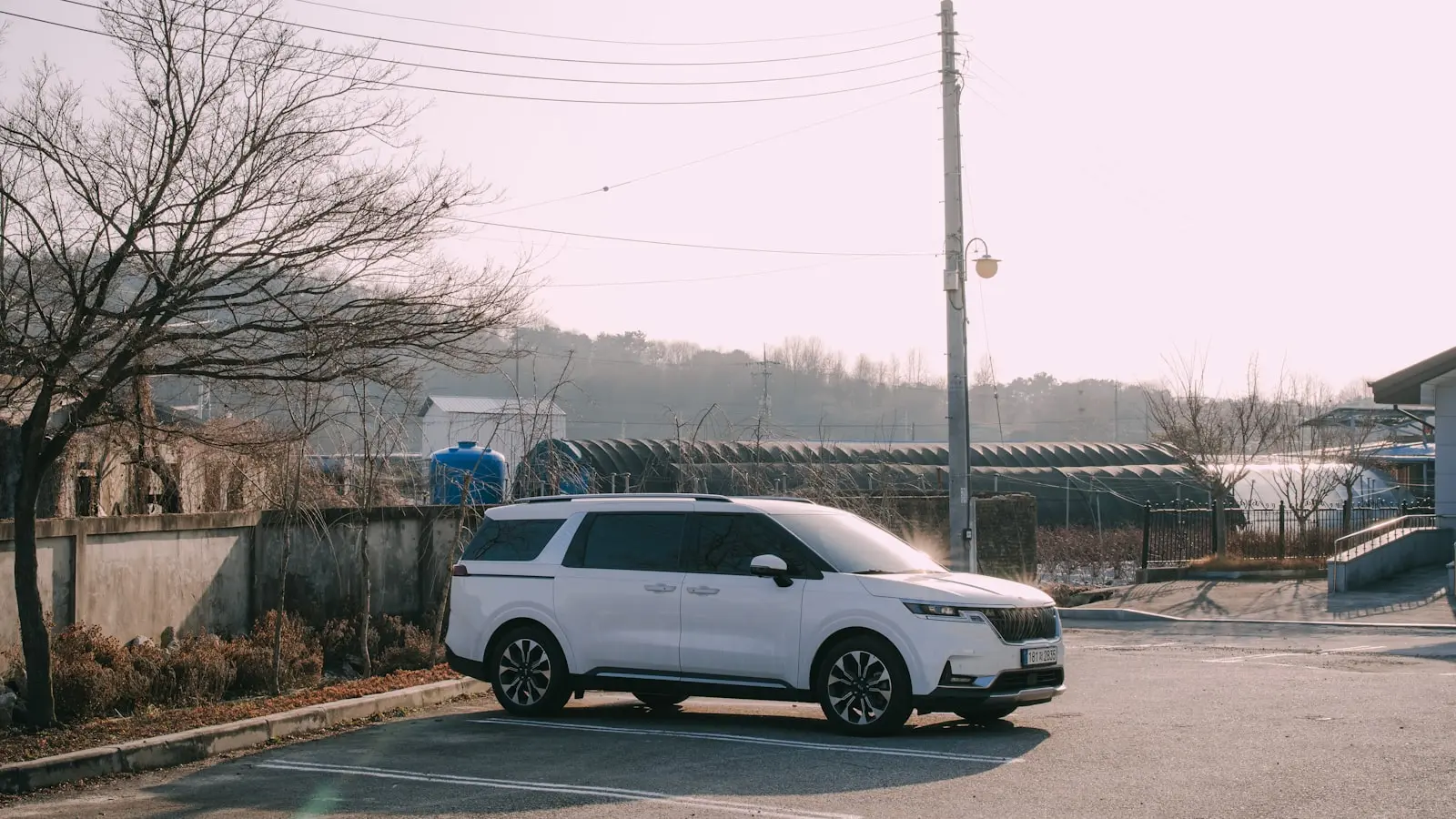
The idea of a long family road trip with a baby can feel overwhelming, but it is entirely possible with thoughtful preparation. The key is to trade rigid itineraries for flexible hours, prioritize breaks every two to three hours, and pack smart. One family recently drove the 2,800 km Iceland Ring Road with a 10‑month‑old over three weeks, and their experience offers a usable framework for any long drive. This article breaks down each phase of planning so you can focus on the adventure rather than the stress.
Key Takeaways
- Break every 2–3 hours to let the baby stretch, feed, and change – safety guidelines advise against longer continuous car seat time.
- Drive during nap windows to gain calmer, longer stretches; a sample day might include two driving blocks around morning and afternoon naps.
- Pack duplicates of essentials like diapers, wipes, and feeding supplies, plus a “rescue bag” of novel toys for fussy moments.
- Stay flexible – adjust daily distances and stops based on the baby’s mood; a missed sight is better than an overtired child.
- Verify car seat laws for every region you enter, and book baby‑friendly accommodations that provide a safe sleep space.
1. Pre-Trip Preparation: Health, Gear, and Route Planning
Start with a visit to your pediatrician. Explain your travel plans, including daily driving distances and any altitude or climate changes. Confirm your baby is up‑to‑date on routine vaccinations and discuss whether extra vaccines are advised for your destination. This is also the moment to ask about car seat time limits and safe sleep practices for accommodations.
Next, verify car seat regulations for every region you will drive through. For the Iceland Ring Road, Icelandic law requires children under four years to travel in a rear‑facing seat. Other countries may have different rules, so check official government or embassy websites. Regardless of rules, a properly installed rear‑facing car seat is the safest choice for infants.
Prepare your vehicle before departure. Install window sun shades to block glare and heat. Attach a car seat mirror so you can see the baby without turning around. A portable white noise machine can help muffle road noise during naps. Pack an emergency kit with a first‑aid kit, blankets, extra water, and basic tools.
Map your route with baby‑friendly stops every two to three hours. Use apps like Roadtrippers or Google Maps to find parks, rest areas, and cafes with changing tables. The Iceland family planned stops around waterfalls and geothermal pools that offered short, walkable breaks. For accommodation, book in advance and confirm the property provides a crib or pack‑and‑play, or bring your own portable play yard to guarantee safe sleep.
2. Daily Driving Schedule: Timing, Breaks, and Flexibility
Structure your driving around your baby’s natural sleep windows. Most babies nap best in the late morning and early afternoon. Aim to start driving at the beginning of a nap window for a longer, calmer stretch. On the Ring Road, the family typically drove from 9 AM to 11 AM while the baby napped, then stopped for a 45‑minute break to feed, change, and let the baby move.
The safety guideline is clear: pull over every 2–3 hours. A break should last 20–45 minutes. Never take the baby out of the car seat while the vehicle is moving. Use stops not just for essential care but also for a quick walk or tummy time on a blanket. The Iceland family averaged 150–200 km per driving day, which kept each segment manageable.
A sample day for a 10‑month‑old might look like this:
- 9:00–11:00: Drive (nap time)
- 11:00–11:45: Break (change, feed, play)
- 12:00–14:00: Drive (baby awake, entertain with toys)
- 14:00–15:00: Longer lunch break
- 15:00–16:30: Drive (early afternoon nap)
- 16:30 onward: Arrive at accommodation, evening routine
Flexibility is the secret weapon. If the baby is content, drive a little longer. If crying escalates, stop sooner. The Iceland family deliberately kept loose daily plans and never felt rushed. A few extra breaks do not ruin the trip; they make it smoother.
3. The Ultimate Packing List for a Baby Road Trip
Packing for a long road trip means thinking in layers and allowing for extras. Here is a practical list organized by category.
Diapering
- 1.5 times your estimated number of diapers (count 6–8 per day for a 10‑month‑old)
- Wipes in bulk, plus a travel pack for the front seat
- Diaper rash cream
- Disposable diaper bags for trash
- Changing pad
Feeding
- For breast milk: cooler with ice packs, breast pump, cleaning wipes, and storage bags
- For formula: pre‑measured powder in a dispenser, bottled water, and a portable bottle warmer (or use warm water from a thermos)
- Small cooler for perishable baby food jars or pouches
- Bibs, spoons, and a portable high chair strap
Clothing
- 3 outfits per day (babies get messy)
- Heavy jacket or bunting for cold destinations (Iceland requires a rain suit and wool layers)
- Sun hat and UV‑protectant clothing
- Extra socks and shoes
First‑aid and health
- Thermometer (digital, not mercury)
- Infant acetaminophen or ibuprofen (check with pediatrician for dosing)
- Saline nasal drops and bulb syringe
- Nail clippers
- Small first‑aid kit with bandages, antiseptic wipes, and tweezers
Comfort and entertainment
- Car seat mirror with lights (helps you see the baby)
- Portable white noise machine (battery‑powered)
- Soft toys, teethers, and board books
- Suction‑cup toys that stick to a window or tray
- A tablet with baby‑friendly apps or short videos for truly tough moments
- A “rescue bag” of novel toys kept within reach of the front seat
Sleeping
- Portable crib or pack‑and‑play (if accommodation does not provide one)
- Familiar sleep sack or blanket
- Blackout shades if staying in places without curtains
4. Feeding and Sleeping on the Road
Feeding while driving Breastfeeding should only happen during stops, never while the car is moving. Pump ahead and store milk in the cooler. Use a nursing cover for privacy or find a quiet rest area. For formula, pre‑fill bottles with water and add powder when needed. A portable warmer that plugs into the car’s 12‑volt outlet works well. Keep the cooler stocked and discard any unused milk or formula within two hours.
Safe sleep in accommodations The hardest rule to follow is also the most important: never let a baby sleep in a car seat inside a hotel room or guesthouse. Car seats are not designed for flat sleep and can cause positional asphyxia. Use a portable crib or the guesthouse’s crib (always inspect for safety – no soft bedding, firm mattress). The American Academy of Pediatrics recommends “ABCs” – alone, on the back, in a crib.
Managing sleep transitions Try to keep your bedtime routine as consistent as possible: a bath (if available), a book, white noise. Expect some disruption, especially the first two nights. The Iceland family found that packing a familiar sleep sack and a small nightlight helped the baby settle in unfamiliar rooms. Plan lighter driving days after longer overnight drives.
5. Keeping Your Baby Entertained and Comfortable
Age‑appropriate toys For a 10‑month‑old, the best toys are novel and easy to grasp. Consider suction‑cup spinners that attach to windows, crinkle books, stacking cups, and a toy version of the car seat mirror. Rotate toys every two days to keep things fresh. Avoid small parts that could become choking hazards.
Screen time Occasional screen time is not a failure. A tablet with short, slow‑paced videos can soothe a fussy baby for 15–20 minutes. Keep the volume low and use content designed for infants. The Iceland family used a tablet only during the last stretch of a long driving day, when the baby was tired of everything else.
Songs and games Sing familiar nursery rhymes or make up silly songs about what you see outside. “Old MacDonald” gets a new verse with every passing sheep. For older babies, peek‑a‑boo with a muslin cloth works wonders. Narrate the scenery – “Look, a waterfall! That’s so big!” – to engage their attention.
Managing fussiness Have a “rescue bag” full of items the baby has never seen before: a new teether, a crinkly snack pouch, a soft ball. If crying becomes prolonged, pull over as soon as it is safe. A five‑minute walk in the fresh air can reset both your moods. The family’s rule of thumb: one stop just for soothing was always worth the extra delay.
6. Unexpected Challenges: Delays, Weather, Illness, and Accidents
Weather planning In Iceland, weather changes in minutes. Check forecasts each morning and have a backup plan for each day’s driving segment. If a pass is closed or rain arrives, reroute or spend extra time at the previous attraction. The Ring Road family kept a list of guesthouses and skipped one leg entirely when winds hit 80 km/h.
Baby illness on the road Before you leave, identify urgent care clinics and hospitals along your major route. Keep a small notebook to log the baby’s temperature and symptoms. If fever develops, have a clear plan: call your pediatrician, use age‑appropriate fever reducers, and head to the nearest clinic if needed. Stock basic supplies like saline drops and a thermometer.
Mechanical or traffic delays Always carry more than you think you need. An extra day’s worth of diapers, formula, water, and non‑perishable snacks can save you if you are stuck overnight. The Iceland family kept emergency cash and a paper map in case of GPS failure.
Staying calm Road trips with a baby test patience. Accept that some days will not go as planned. The Iceland family’s mantra was “good enough is good enough.” If you miss a sight because the baby needed an extra nap, you still had an adventure. Let go of perfection and prioritize safety and comfort.
Frequently Asked Questions
How many hours can a baby safely travel in a car seat per day? Pediatricians advise taking a break every 2–3 hours. For a full day, it is generally safe to have multiple driving segments as long as the baby is taken out of the car seat for 20–45 minutes per stop. Total car seat time should not exceed 6–8 hours in a day, including breaks.
What are the essential items I need for a road trip with a 10‑month‑old? At minimum: a rear‑facing car seat that fits your vehicle, a portable crib, a large diaper supply, feeding supplies (pump and cooler or formula dispenser), a car seat mirror, window sun shades, a white noise machine, and a first‑aid kit with infant medicines.
Is the Iceland Ring Road feasible with a baby? Yes. Many families complete the 1,332 km loop in 2–3 weeks with an infant. The key is to drive no more than 2–3 hours between major sights, book baby‑friendly guesthouses in advance, and remain flexible with the daily schedule. The family who did it with a 10‑month‑old emphasized that patience and lower expectations made the trip enjoyable.
A well‑planned family road trip with a baby is not about doing everything perfectly. It is about trading a detailed itinerary for a rhythm that works for your child. Start with the pre‑trip checklist, build in generous breaks, and pack duplicates of the essentials. When you embrace flexibility, the road itself becomes the reward.