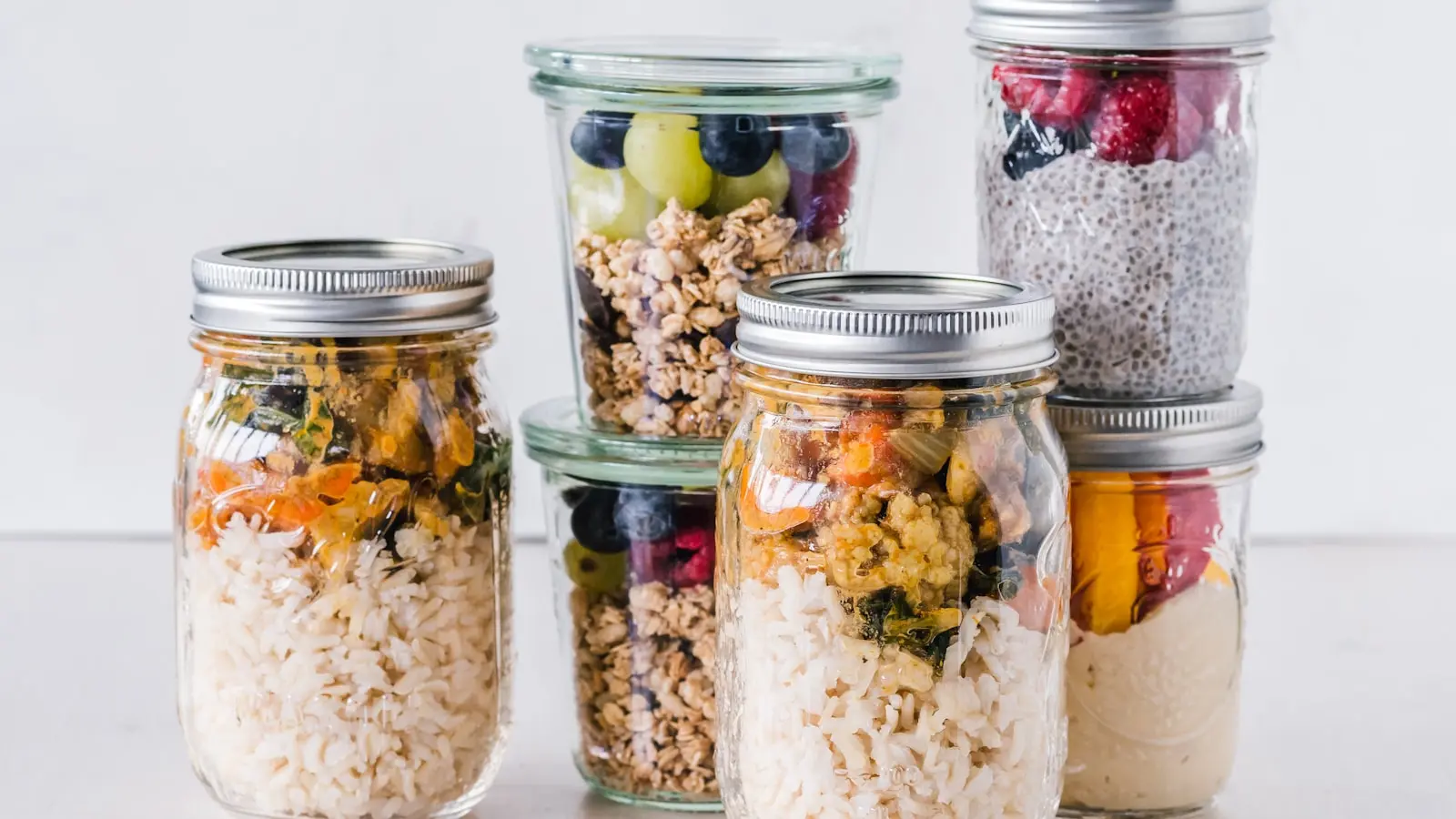
The short answer is yes, meal prepping can save you money, but the amount depends on what you cook and what you would otherwise spend. On average, a typical restaurant lunch runs $12 to $15, while a home-cooked meal from prepped ingredients costs roughly $4 per serving when you buy staples like chicken, rice, and vegetables in bulk. That means you might save $8 to $11 per meal. Over five work lunches, that adds up to $40 to $55 per week, or more than $2,000 a year.
Key Takeaways
- Save $4 to $8 per meal by prepping at home versus eating out.
- A weekly investment of 2–3 hours can yield $30–$80 in savings.
- Planning and bulk buying cut food waste by roughly a quarter to a third.
- Boredom and waste are avoidable with recipe rotation and proper storage.
The True Cost of a Home-Cooked Meal vs. Takeout
But the gap isn’t always that wide. If you choose organic meats, pre-cut vegetables, or specialty sauces, your per-meal cost can climb to $6 or $8, cutting your savings. There are also small upfront costs: a set of meal prep containers runs $10 to $20, and cooking utilities add maybe $1 to $2 per week. Even so, the net savings remain significant for most people. The key is to keep ingredients simple and buy in bulk.
The Time Investment: Is Your Weekend Worth It?
Meal prepping takes about two to three hours each week for shopping, cooking, and cleaning. If you value your time at the median U.S. hourly wage of roughly $28, that “time cost” is $56 to $84 per week. That sounds steep, but consider what those hours replace. If you normally spend 30 minutes each evening cooking or ordering food, that’s 2.5 hours a week. Meal prep can actually save you an hour or two of daily cooking and decision-making during the week.
The math works best for people who aren’t earning a high hourly rate or who enjoy cooking as a relaxing weekend activity. If you earn significantly more than $35 per hour and you dread meal prep, the financial case becomes weaker. Still, for the vast majority, the trade-off is positive: you trade a few weekend hours for quicker dinners and a lighter food budget.
Strategies to Maximize Savings and Minimize Waste
To get the most out of meal prep cost savings, you need a plan. Start by checking store flyers for sales on chicken, ground beef, or seasonal vegetables. Buy your grains and legumes from the bulk section; rice, oats, and beans cost 20 to 40 percent less per pound that way. Avoid pre-cut produce and marinated meats unless they are on clearance—you pay a premium for convenience.
Food waste is the hidden enemy of meal prep. Studies suggest that planned shopping lists and batch cooking can reduce household food waste by 25 to 30 percent. Use leftovers creatively: turn roasted vegetables into soup, or shred extra chicken for tacos. Store portions in airtight glass containers and freeze anything you won’t eat within four days. Boredom is another risk. Combat it by rotating two or three base recipes each week and using different spice blends. Keep one day free for takeout or a restaurant meal so you don’t feel deprived.
Sample Budget-Friendly Meal Prep Plan (One Week)
Here’s a realistic example for a single person preparing five lunches and five dinners. You will need about five pounds of chicken thighs ($12), two pounds of brown rice ($3), three pounds of frozen mixed vegetables ($5), three pounds of sweet potatoes ($4), and basic oil and spices ($1). Total grocery cost: around $25. That’s $2.50 per meal for ten servings. Add the amortized cost of containers (roughly $0.40 per week) and utilities, and you land at about $2.70 per serving.
Compare that to ten takeout meals at $12 to $15 each: that would be $120 to $150. Your weekly savings: $95 to $125. Even if you double the ingredient cost by adding variety and pricier items, you’ll still come out ahead. Adjust portions and proteins according to your taste and budget.
Beyond the Dollar: Non-Financial Benefits That Compound Savings
Home-cooked meals are typically lower in sodium, saturated fat, and added sugar than restaurant food. That translates to better health over time, which can reduce future medical expenses. Portion control is easier when you pack individual containers; you’re less likely to overeat or grab a snack out of boredom. The mental load also lightens: no more daily “what’s for dinner?” decisions, and fewer impulse takeout orders that can blow a budget.
There’s also an environmental upside. Cooking in bulk uses less energy per meal than cooking every day, and it reduces packaging waste from takeout containers and delivery bags. For many people, these non-financial benefits make meal prep worthwhile even when the dollar savings are modest.
FAQ
1. How much money can I realistically save each week with meal prep? Most people save between $30 and $80 per week, depending on their typical restaurant spending and ingredient choices. A conservative estimate is $4 to $8 per meal compared to eating out.
2. Does meal prepping actually reduce food waste? Yes. Planning meals and sticking to a shopping list can cut household food waste by roughly a quarter to a third. Using leftovers deliberately and freezing portions further reduces what gets tossed.
3. Is meal prep cost-effective for a single person? Absolutely. Singles can expect to spend $30 to $50 per week on groceries for meal prep, versus $70 to $100 on takeout. Just be sure to freeze half the batch to avoid spoilage.