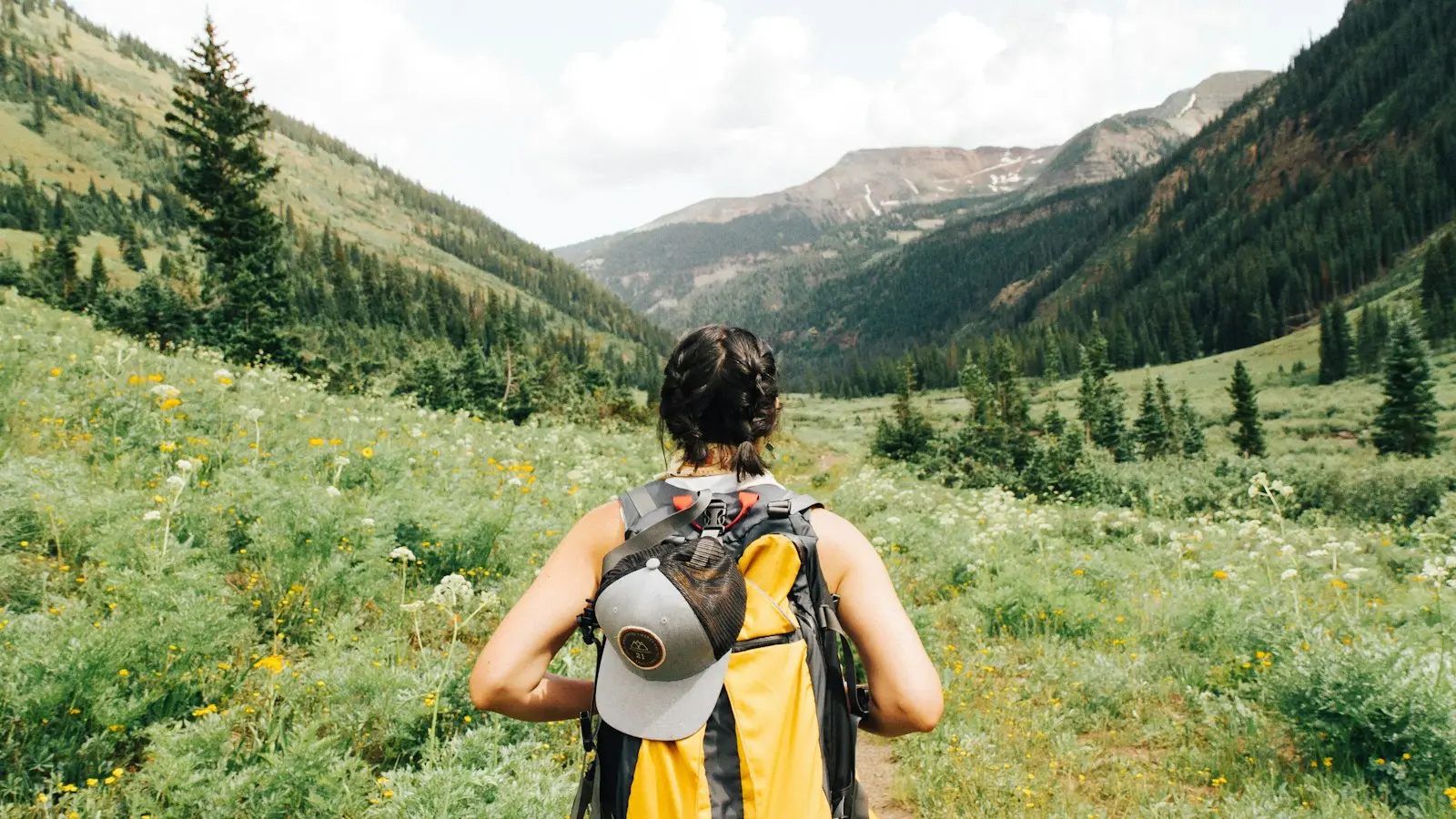
A good Madeira hiking packing list starts with the route, not the suitcase. For a full day, carry secure footwear, water, food, sun protection, a waterproof or windproof layer, offline navigation, a charged phone, a compact first-aid kit, and enough clothing flexibility for changing conditions.
The exact list should expand or contract according to elevation, exposure, terrain, forecast, and access to facilities. A short, sheltered viewpoint walk does not call for the same Portugal hiking gear as a long mountain route with steep or uneven sections. Before leaving, check the current official route status and access guidance, the same-day forecast, transport arrangements, and your own medical requirements.
Key Takeaways
- Start with comfortable, grippy footwear, water, food, sun protection, navigation, weather protection, and basic first aid.
- Use layers rather than a single heavy outfit, especially when combining warm lowlands with cooler or exposed sections.
- Add insulation, stronger rain protection, spare socks, and a headlamp for long, remote, steep, or changeable routes.
- Confirm water access, facilities, closures, transport details, and weather for the specific route instead of relying on general assumptions.
Core Madeira trail essentials for every full-day route
Start with a small, comfortable backpack that can hold water, food, an extra layer, rain protection, and personal items without becoming awkwardly heavy. A pack with a supportive waist strap can help on a long route, but it does not need to be a technical expedition model.
Wear shoes with reliable grip and a comfortable, well-tested fit. Uneven paths, wet stone, loose surfaces, and long descents make traction more important than appearance. Casual trainers may be fine for a dry, short, sheltered walk, but they are a weaker choice when the route is steep, damp, or rough. Never make a full-day hike the first outing for new footwear.
Your phone should contain downloaded route information or offline maps and begin the day fully charged. Add a power bank and charging cable, particularly if you expect to use navigation, take photographs, or travel home by public transport. Phone navigation is useful but not infallible: batteries fail, screens can be difficult to read in bright light, and a signal should not be assumed everywhere.
A headlamp or compact flashlight is another small item with a useful safety margin if a walk takes longer than planned. It is not essential for every short daytime stroll, but it is sensible on a full-day route, especially when the return journey may run into fading light.
Other Madeira trail essentials include a reusable water container, filling food, tissues or toilet paper, and a small bag for carrying rubbish. Add sunglasses, sunscreen, lip protection, and a hat even if the morning begins under cloud. A compact first-aid kit should cover basic wound care and blister protection, alongside any personal medication, identification, and emergency contact details.
A phone or camera can make viewpoint stops more enjoyable, but photography equipment should not displace weather protection, food, water, or navigation. A small protective pouch and spare battery capacity are usually more practical than multiple lenses or bulky accessories for a walking day.
Extra gear for exposed mountain paths and steep terrain
High or exposed sections deserve a more cautious approach because conditions can feel very different from those in sheltered or lower areas. Wind, cloud, damp surfaces, and cooler air may make a route uncomfortable even when the coast looks bright and warm. Pack a warm mid-layer and a proper wind-resistant or waterproof outer layer rather than relying on a thin fashion jacket.
A packable waterproof jacket is useful when rain is possible, but not every shower layer offers the same protection. A very thin shell may be adequate for a brief, light shower on a sheltered walk; for a long or exposed route, choose coverage that will keep you reasonably dry while moving and allow room for layers underneath. Waterproof overtrousers can help in persistent rain, but they are route- and season-dependent rather than universal requirements.
Trekking poles are optional. They may help with balance, descents, or tired knees on a long uneven route, while some hikers find them inconvenient on narrow sections or when using their hands for stability. If you bring them, check how they will be transported during the journey and review relevant airline or transport rules before travelling.
Gloves, a beanie, or a lightweight insulated layer can be worthwhile for cold, windy, or cloud-covered routes. They are unnecessary weight for many sheltered walks, so the decision should follow the forecast and route profile rather than a generic mountain hike packing list.
Do not try to solve every possible emergency by filling the pack with heavy equipment. For ordinary day hiking, sensible weather protection, reliable navigation, enough food and water, and a plan shared with someone else usually offer more practical value than camping equipment or technical climbing gear. Steep, narrow, slippery, or exposed terrain makes route choice and judgement more important than simply adding items.
Footwear and clothing by terrain and weather
For high-elevation trails, use a moisture-managing base layer, a warm mid-layer, and a windproof or waterproof outer layer. Secure footwear with dependable grip is the priority. Mid-cut hiking shoes or boots may offer useful protection and stability on uneven ground, but they are not automatically better for every person or route; comfort, fit, traction, and familiarity matter more than the label.
For coastal paths and beach stops, breathable clothing and strong sun protection may be more important than heavy insulation. Add a light layer for wind, particularly if the route includes exposed viewpoints. Swimwear or sandals can make sense when a beach stop is genuinely part of the plan, but they should remain optional extras rather than occupying valuable pack space on a demanding walking day.
Short viewpoints and easy walks may require little more than comfortable shoes, a compact layer, water, and sun protection when the route is sheltered, dry, and brief. The mistake is treating that light setup as suitable for every part of a mixed itinerary.
Layering is the most adaptable answer to what to wear hiking Madeira. It allows you to adjust between warm lowlands, breezy overlooks, shaded paths, and cooler elevations without carrying several complete outfits. Include spare socks if rain, puddles, or wet stone are likely, and choose clothing that dries reasonably quickly.
Cotton is comfortable in warm, dry conditions but can feel cold and slow to dry when damp. It need not disappear from your holiday wardrobe, but relying on a single cotton outfit for a cool or wet full-day route is less flexible. A spare top is useful only if it earns its place; a versatile mid-layer and dry socks are usually more valuable than multiple duplicate garments.
Food, water, navigation, and practical safety planning
There is no responsible universal water quantity for every Madeira hike. Plan according to route length, expected exertion, heat, personal drinking needs, and whether reliable refill points or shops are actually available. Confirm water access and suitability for drinking for the specific route rather than assuming a fountain, café, or stream will be open or appropriate.
Food should be similarly practical. Pack enough substantial food and snacks for the planned day, with some allowance for a slower pace or delayed transport home. Dense, familiar foods that tolerate warmth and movement are often easier to manage than fragile meals. Do not depend on buying lunch along the way unless the relevant facilities and opening arrangements have been checked.
Download route information before leaving areas with dependable mobile coverage. Save the start point, planned finish, transport details, and important access information where you can refer to them offline. A route card shared with a friend or family member can include your intended route and an agreed check-in plan; it is especially helpful when travelling alone.
Before departure, compare the forecast with the route’s elevation and exposure, then check official notices, classifications, closures, and access guidance. Recent surface conditions can affect the usefulness of footwear and poles, while cloud or rain may change whether a viewpoint is worthwhile or a section is sensible to attempt. If conditions worsen, fatigue becomes significant, or visibility deteriorates, reassess rather than treating the original itinerary as a commitment.
Keep first aid compact: blister care, basic wound supplies, personal medication, and any route-specific needs are the foundation. People with medical, mobility, allergy, or other personal concerns should make their own preparations and seek appropriate clinical advice rather than relying on a general Madeira travel checklist.
Respect the route by carrying waste out and planning for limited toilet facilities unless the specific area states otherwise. Avoid assuming that every trail has the same bins, toilets, or water points; those details can vary and should be checked locally.
Lightweight packing list and what to leave behind
For travellers changing hotels or combining a hike with sightseeing, the lightweight version should include:
- Comfortable, secure footwear suited to the planned terrain
- One adaptable layer system rather than several complete outfits
- A packable waterproof or windproof shell
- Water and route-appropriate food
- A phone with offline maps and a power bank
- Sunglasses, sunscreen, lip protection, and a hat
- Compact first aid, blister care, medication, identification, and a rubbish bag
For a long, remote, exposed, or changeable route, add a warmer insulating layer, stronger weather protection, spare socks, a headlamp, a shared route card, and more deliberate food and water planning. Gloves or a beanie may also be justified when the forecast and exposure point to colder conditions.
Leave behind heavy technical equipment that the route does not require, excessive clothing, duplicate gadgets, large camera accessories, and bulky camping gear for a normal day hike. An umbrella may be useful in some town or sheltered settings, but wind can make it awkward on exposed terrain; a packable waterproof layer is often the more versatile choice, depending on the route.
Keep the pack balanced, with frequently used items such as water, sunscreen, and the rain shell easy to reach. The best packing list is not the one with the most equipment; it is the one that covers plausible conditions without turning every climb and descent into a weight-management exercise.
Make a final check before setting out: official access information, forecast, route profile, water and facility assumptions, transport or luggage restrictions, phone battery, and personal medical needs. A careful list supports good judgement, but it cannot replace it.
FAQ: Madeira hiking packing questions
Do I need hiking boots for Madeira, or are trainers enough?
Trainers can be adequate for short, dry, sheltered walks if they fit well and have useful grip. Hiking shoes or boots become more attractive for long uneven trails, wet surfaces, steep descents, or routes where stability and foot protection matter. The condition and fit of the footwear are as important as its category, and new shoes should not be tested for the first time on a full-day walk.
How much water and food should I pack for a full-day Madeira hike?
Base the decision on duration, heat, exertion, personal needs, and confirmed access to refill points or facilities. Because routes differ, avoid treating one volume or meal plan as universal. Carry enough for the planned effort and reasonable delays, and verify whether any advertised water source is available and suitable for drinking.
What should I wear for hiking in Madeira when the forecast is sunny?
Wear comfortable, secure footwear, breathable clothing, sun protection, and adaptable layers. Add a lightweight windproof or waterproof shell because conditions may differ by elevation and exposure even when the starting point is sunny. A sunny forecast is a reason to pack intelligently, not a reason to leave all weather protection behind.