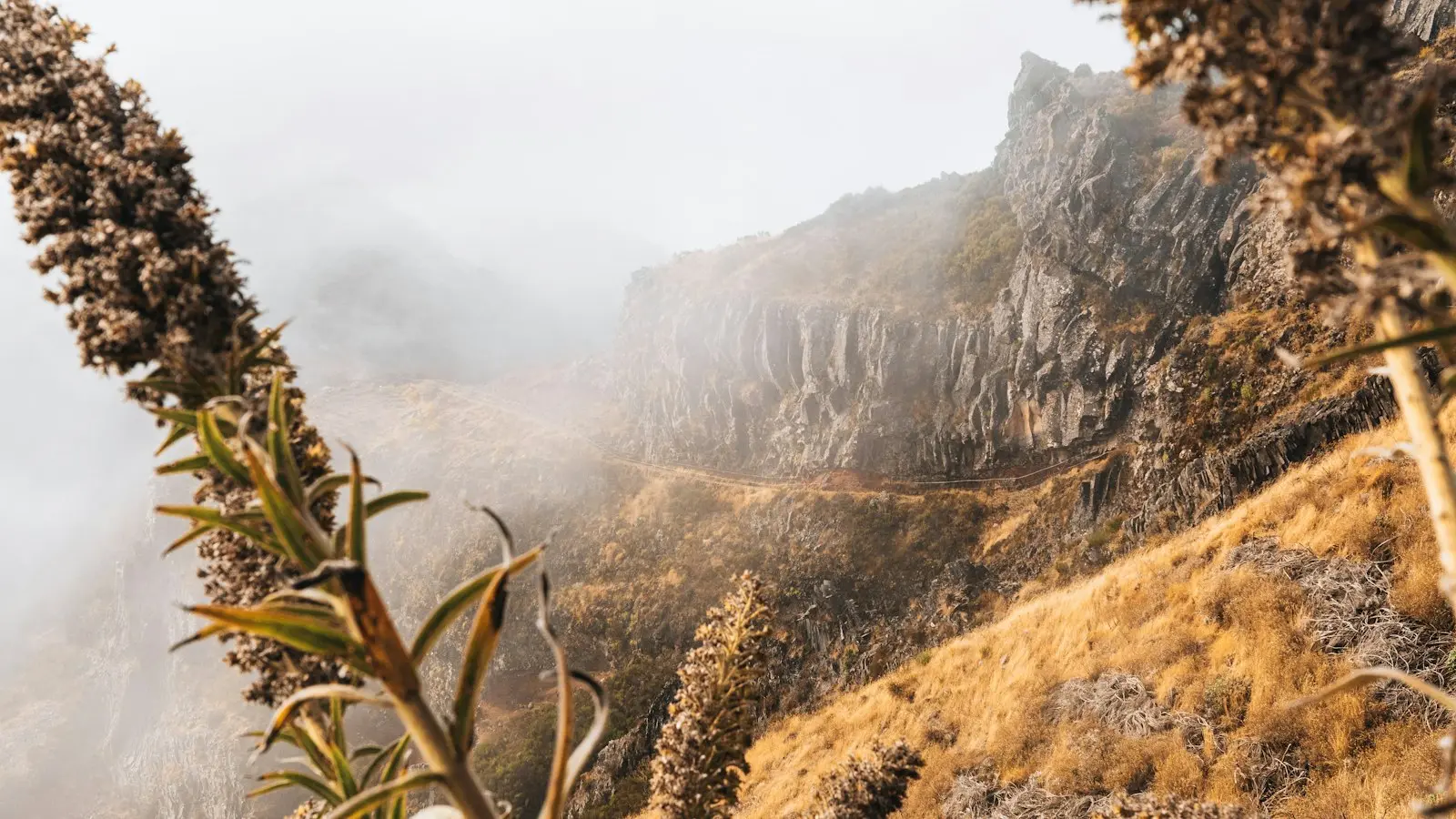
Madeira beach or mountains is not a question with one permanent answer. For a short visit, choose the coast when you want a lower-effort scenic day, shoreline photography, or a better chance of usable conditions at lower elevations. Choose the mountains when elevated views, hiking, sunrise atmosphere, or dramatic cloud formations are the main reason for going out.
The practical trick is to pick one experience as the day’s anchor and treat the other as optional. A beach, several mountain viewpoints, a long lunch, and a demanding walk may all look close enough on a map, but winding roads, parking, weather changes, and fatigue can turn that plan into a rushed tour of car parks. The best Madeira itinerary choices come from matching the landscape to the day you actually have, not the ideal day imagined from photographs.
Key Takeaways
- Choose the coast for a more flexible, lower-effort day focused on shoreline scenery, swimming conditions, or coastal photography.
- Choose the mountains when elevated views, hiking, sunrise atmosphere, or changing cloud formations matter most.
- Make one experience the day’s anchor, then add only a nearby secondary stop if travel time, access, and energy allow.
- Check conditions at both elevations, because clear coastal weather does not guarantee visible or comfortable mountain viewpoints.
- Postpone or simplify the plan when cloud, wind, rain, fatigue, trail conditions, or uncertain transport threaten the main experience.
1. Define What You Want From the Day
Start with the experience rather than the place name. Ask what would make the day feel successful if you could keep only one major stop: a dramatic shoreline, a swim, a broad view from elevation, a serious hike, or a set of photographs with changing light.
The coast usually suits travelers who want visual impact without committing to a full hiking day. A beach or coastal viewpoint can provide cliffs, dark volcanic rock, surf, and open horizons, with the option to move on when the group has had enough. That does not mean every beach is effortless; access may involve steps, uneven surfaces, sand, rocks, or a walk from parking.
The mountains suit visitors who want the island’s vertical scale. High viewpoints and mountain paths can deliver layered ridges, valleys, and cloud movement that are difficult to replicate at sea level. They also demand more from the itinerary: earlier starts may be useful, visibility matters more, and a short-looking walk can become tiring when elevation, uneven ground, wind, or photography stops are included.
Before leaving, rank one primary goal and one optional extra. Four questions make the choice clearer:
- How many usable hours do you have after breakfast, transport, meals, and the return journey?
- How much walking is comfortable for everyone, including children and anyone with limited mobility?
- Is the chosen experience especially sensitive to cloud, wind, rain, daylight, or swimming conditions?
- Is the group happy to spend a substantial part of the day on winding roads or waiting for transport?
If the answer to the last question is no, keep the plan geographically compact. One excellent coastal area or one mountain zone is usually more satisfying than a checklist spread across the island.
2. Compare Coastal and Mountain Weather Before Leaving
Madeira can offer noticeably different conditions between the shoreline and higher ground on the same day. A coastal morning may be bright while an elevated viewpoint is covered by cloud, or a mountain area may have clearer air while the coast is windy or showery. That difference is one reason a fixed “beach first, mountains later” formula can fail.
At elevation, cloud can remove the very view that justified the drive. Wind may also make a viewpoint uncomfortable, while rain can affect trail surfaces and visibility. At the coast, strong sun, wind, rough water, or changing conditions can matter more than whether the sky looks blue from your accommodation.
Check a current forecast for the specific areas you plan to visit, not only a general island forecast. Also check relevant access, road, and trail notices before setting out. A forecast is useful guidance rather than a guarantee: cloud can move quickly, and conditions can change during the drive.
Put the most weather-sensitive experience into the part of the day with the best expected conditions. If the mountains are forecast to clear briefly in the morning, make them the anchor and keep the coast as a flexible alternative. If elevated visibility is poor throughout the useful window, a coastal viewpoint or beach may preserve the day without forcing an unproductive climb.
When conditions become uncertain, simplify rather than add more stops. A low-elevation scenic drive, a short coastal walk, or a meal with a view can be a better fallback than spending hours reaching a cloud-covered summit. Postponing a mountain plan is especially sensible when the attraction depends on visibility or when wind and rain make the route less appealing.
3. Measure Travel Time, Roads, Parking, and Transport
Map distance is a weak guide to the real length of a Madeira day. Roads can be winding, traffic can slow progress, and every scenic stop adds time for finding a place to leave the car, walking to the viewpoint, taking photographs, and getting back on the road. A route that appears to connect a beach and a high viewpoint neatly may be impractical once those small costs accumulate.
Self-drive gives the most flexibility, but it does not remove the need for planning. Allow time for route changes, parking searches, meals, and the possibility that the first car park is full or access arrangements have changed. Avoid building a schedule in which one delay makes the final return journey stressful.
Public transport requires a different calculation. Service frequency, transfers, operating hours, and the walk between a stop and the attraction can limit spontaneity. A route may be technically possible but poorly suited to a same-day combination if missing one connection creates a long wait. Check the current timetable and final walking distance rather than assuming that a bus stop places you at the viewpoint or beach entrance.
Seixal beach or hiking is a useful example of the decision. Seixal may be attractive as a coastal anchor, but combining it with several mountain viewpoints is not automatically efficient. Whether the combination works depends on where you are staying, the specific mountain stop, current road conditions, parking, daylight, and how long the group wants to remain at the coast. Treat the two experiences as separate candidates first; combine them only after checking the complete route.
A reliable planning rule is to choose one geographic area as the anchor, then add one nearby secondary stop if the timing works. Do not count a brief photograph from the roadside as a full experience if the plan also requires a proper walk, swim, meal, or photography session. The best Madeira day trip is often the one that leaves room for the unexpected rather than the one with the longest list.
4. Match the Choice to Mobility, Energy, and Photography Goals
For families and travelers seeking minimal exertion, prioritize a place with a short approach, practical facilities, and a clear return plan. Confirm the current access arrangement rather than assuming that a viewpoint, beach, toilet, or car park is step-free. A coastal stop can involve sand, rocks, steps, or uneven paving; a mountain viewpoint can involve slopes, barriers, exposure, or a walk from the vehicle.
If someone uses a mobility aid, assess the whole chain of access: getting out of the vehicle, reaching the viewing area, using facilities, and returning without a long detour. “Scenic” does not necessarily mean accessible, and “near the car park” does not describe the surface or gradient. When in doubt, choose a location with a shorter, more predictable approach and keep the second stop optional.
Active hikers should assess more than distance. Check elevation gain, trail length, surface conditions, exposure, footwear requirements, daylight, and current route status. A route that is manageable for a fit walker in dry, calm conditions may feel very different in rain, strong wind, or low visibility. Leave enough energy for navigation and the journey home; a mountain plan should not depend on everyone feeling fresh at the end of the day.
Photographers face a different trade-off. Mountains offer scale, layers, and the possibility of atmospheric cloud, but the subject may disappear just when you arrive. Coastal locations provide foreground detail—rock, surf, cliffs, and changing light—but can be exposed to wind and bright glare. Consider the direction of light, the time needed to set up, likely waiting, and whether you are prepared to return without the image you imagined.
Sunrise photographers should confirm access arrangements, travel logistics, and the practicality of arriving in darkness rather than relying on a famous viewpoint’s reputation. For any shoot, choose one primary composition and one nearby alternative. Chasing every scenic viewpoint often produces less time at each location and more fatigue than useful variety.
Crowds also affect photographs and comfort, but patterns vary by place, season, weather, and time of day. Instead of assuming that one landscape is always quieter, visit at a time that suits your priority and keep expectations flexible. A cloudy mountain view may still be atmospheric; a busy beach may still work if the goal is waves and texture rather than an empty frame.
5. Apply Simple Decision Rules to a Short Madeira Itinerary
Use these rules when the choice still feels unclear.
Choose the coast when the lower-elevation forecast is more promising, the group wants a relaxed scenic day, or swimming and shoreline photography are the main goals. Keep the plan focused on one beach or coastal area, with a nearby viewpoint or café as the optional addition.
Choose the mountains when visibility is favorable, the group accepts an early start and meaningful walking, and elevated scenery is the central purpose of the outing. Check trail and access status shortly before departure, and allow time for cloud or road delays.
Combine both when the stops are geographically compatible, the first experience has a firm time limit, parking or transfers are realistic, and you have a clear alternative if the second location is obscured. A short coastal stop paired with one nearby elevated viewpoint may work; a beach, multiple viewpoints, and a demanding hike is a much riskier combination.
Postpone or simplify when cloud, wind, rain, fatigue, uncertain transport, or a route notice could undermine the main experience. Postponement is not wasted time if the attraction depends on clear views or comfortable walking. It protects the rest of the Portugal island itinerary from becoming a day of hurried transfers.
Before leaving, run through this compact checklist:
- What is the current forecast at the coast and at elevation?
- Is the road, trail, beach, viewpoint, or car park operating as expected?
- What is the realistic door-to-door travel time, including parking and walking?
- Can everyone manage the surface, slope, steps, and exposure?
- How much daylight and energy remain for the return journey?
- What is the one alternative if the main view is covered by cloud?
The answer to Madeira beach or mountains should change with the day. Choose the coast for ease, shoreline drama, and flexibility; choose the mountains for elevation, hiking, and atmosphere; combine them only when geography and timing genuinely support it. A good short trip is not the one that claims every landscape. It is the one that gives the chosen experience enough time to be enjoyed.
FAQ: Madeira Beach or Mountains
Is it better to visit a Madeira beach or mountain viewpoint when I only have one day?
Choose according to the day’s main purpose and the most reliable conditions. The coast is generally the better fit for a relaxed plan or a group with mixed mobility, while the mountains make sense when clear visibility and elevated scenery matter more than convenience. Pick one as the anchor and add only a nearby secondary stop.
Can I combine Seixal beach with mountain viewpoints in the same day?
Possibly, but not automatically. Check the exact route, current road and access conditions, parking, transport connections, walking time, daylight, and the time you want at Seixal. Combining one limited coastal stop with one compatible viewpoint may work; adding a long hike and several extra viewpoints can make the day rushed.
What should I do in Madeira when mountain views are covered by clouds?
Do not assume the clouds will clear before you arrive or complete a demanding walk. Switch to a coastal viewpoint, beach, or lower-effort stop if conditions are more promising there, or postpone the mountain experience for a clearer window. Keep the fallback close enough that changing plans does not create another exhausting transfer.