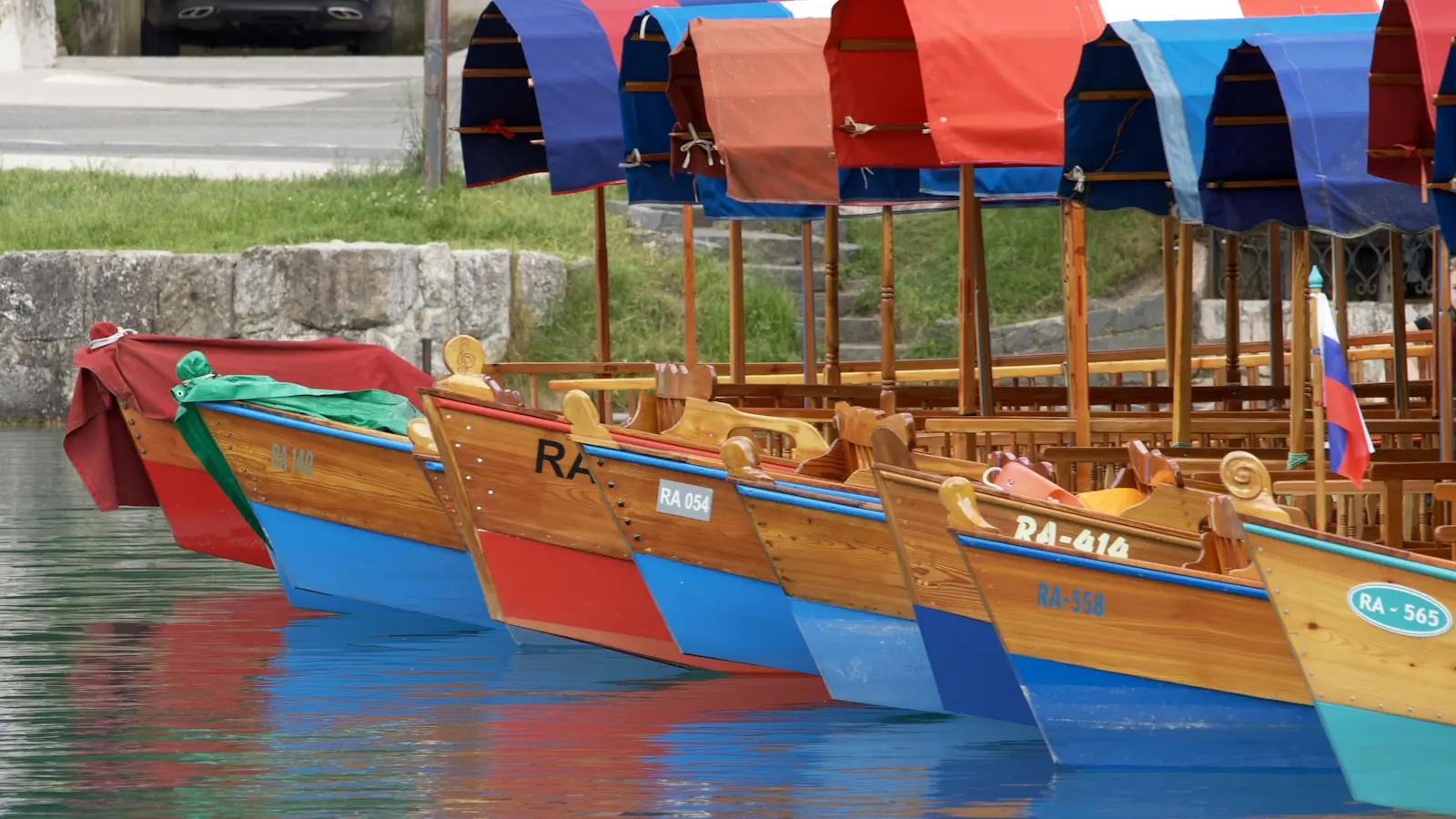
The Shift Toward Alpine Accessibility
When the heavy crowds of Western Europe become a logistical chore, travel patterns inevitably shift toward quieter, more efficient corridors. Central Slovenia has emerged as a distinct anomaly in 2026. Data from the Global Travel Association indicates a 25% surge in interest since 2020, as travelers bypass traditional hotspots in favor of high-quality infrastructure that remains largely unburdened by mass tourism. (Is this the quiet luxury of the new decade? Perhaps.)
The Economics of a Two-Week Itinerary
Financial accessibility remains a primary driver for the region. A standard two-week trip currently requires a daily budget between $80 and $120 per person. This valuation places the region at a significant advantage compared to the inflated price indices of France, Switzerland, or Northern Italy. When the cost-to-experience ratio is weighed against the density of attractions, the value proposition becomes clear. It is not merely cheaper; it is more efficient.
Geography as a Design Element
Slovenia functions as a rare geographical crossroads. In a single morning, one can traverse the rugged, high-altitude terrain of the Julian Alps—specifically the Triglav National Park—and find themselves on the Mediterranean coast by early afternoon. This proximity is a rare feature in European geography.
- Alpine Sector: High-intensity trekking and glacial views.
- Coastal Sector: Piran’s maritime history and Mediterranean culinary influence.
- Transition: Minimal transit times allow for a high density of experience without the fatigue of long-haul travel.
Timing the Visit for Maximum Impact
Mid-spring is the optimal window for those prioritizing clarity of atmosphere. In April, the landscape shifts between the residual crispness of the mountains and the warming influence of the Adriatic. Travelers find themselves navigating cool, silent mornings followed by moderate afternoons. By avoiding the peak summer surge, the country allows for a more granular engagement with its culture. (Thankfully, the silence of the alpine trails remains intact.)
Infrastructure and Cultural Gastronomy
Infrastructure is often the invisible backbone of successful travel. Slovenia has managed to integrate its natural assets with a level of connectivity that makes walkability the standard rather than the exception. Gastronomy here acts as a bridge between the land and the table. It is not defined by excess, but by the sourcing of local ingredients—a reflection of a culture that respects its own proximity to nature.
Evaluating the Competitive Landscape
Compared to the overcrowded thoroughfares of neighboring states, Slovenia offers a distinct lack of friction. The country provides:
| Feature | Slovenia | Traditional Hotspots |
|---|---|---|
| Daily Budget | $80 - $120 | $200+ |
| Crowd Density | Low to Moderate | Extremely High |
| Landscape Diversity | Alpine to Mediterranean | Homogeneous |
| Infrastructure Quality | High | Variable |
For the discerning traveler, the primary utility of this destination lies in its balance. It is a rare space where physical exertion in a national park does not require the sacrifice of comfort or culinary standards. The surge in popularity is logical; when travelers seek safety, infrastructure, and a lack of artificiality, they eventually find their way to the Julian Alps. (It is simply a matter of time before the rest of the world catches on.)