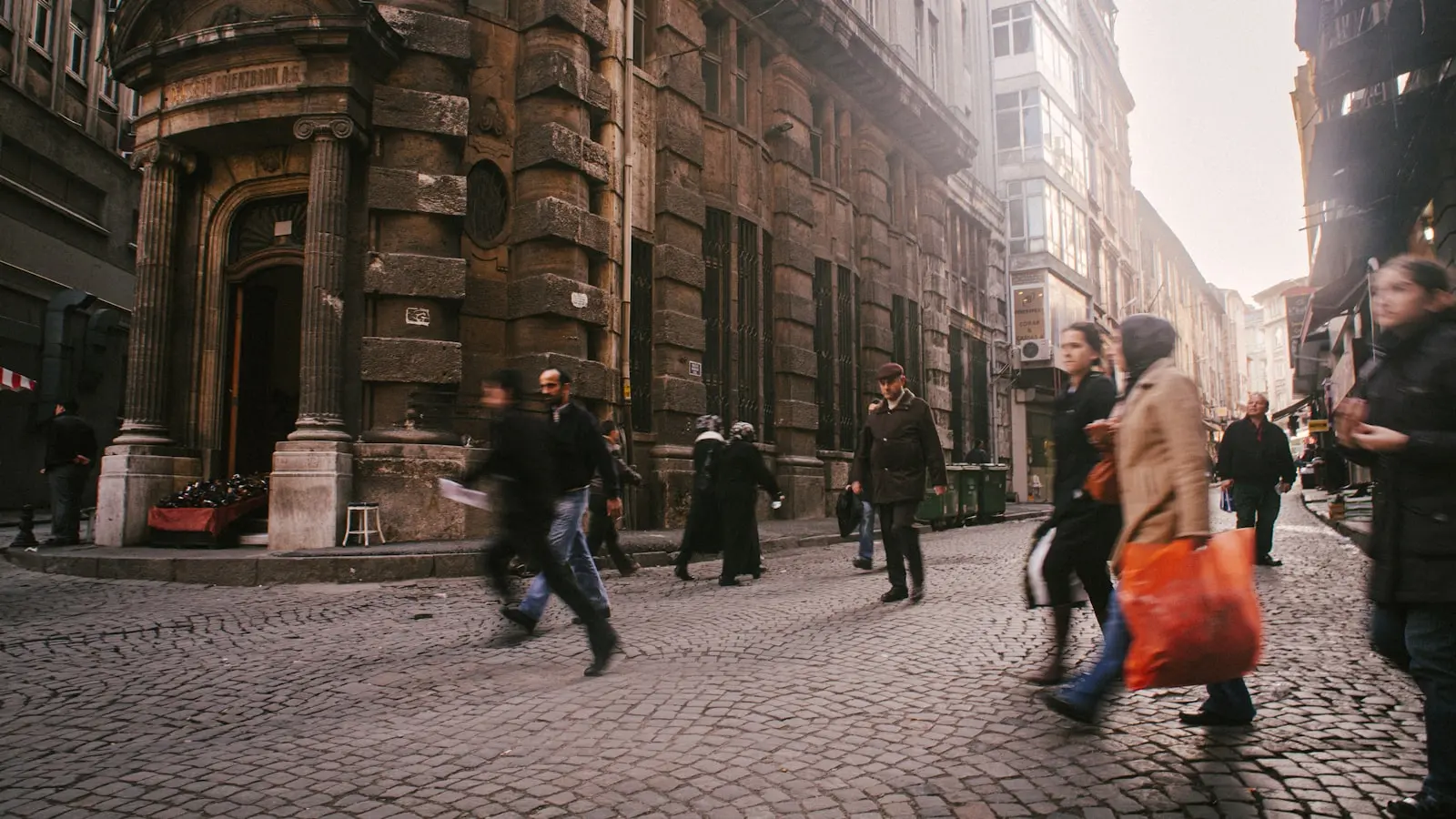
High-speed rail corridors reduce ancient municipalities to mere waypoints. Passengers disembark the Eurostar at Brussels-Midi, drag wheeled luggage across uneven basalt paving stones, capture a required photograph of the Grand Place, and depart before twilight shadows hit the cobblestones. This rigid transit schedule compresses a complex, multi-layered capital into a superficial layover. Industry data indicates that a significant percentage of European tourists dedicate less than 24 hours to the Belgian capital. They construct itineraries treating the city as a brief geographical hurdle between Paris, Amsterdam, and London. It becomes an obstacle. The historical narrative previously framed the municipality merely as the administrative basement of the European Union, a place where policy suffocates culture. This is a severe miscalculation. When travelers commit a full three-day window to the city, the urban texture shifts entirely. The friction of the environment begins to reveal its actual design.
Architectural Tension and the Disruption of Space
Urban spaces dictate human movement. The Grand Place operates as a visual trap, holding massive crowds within an ornate architectural bowl surrounded by gilded guildhalls. Visitors stare upward, entirely disconnected from the modern rhythm of the city operating just streets away. (And who can blame them?) Moving beyond this central gravity well requires deliberate effort. Navigating toward the Marolles district introduces a stark contrast in spatial design. The imposing bulk of the Palace of Justice looms over the neighborhood, casting physical and historical weight down on the working-class streets below. The architecture here does not exist to comfort transients. It exists to dominate.
Yet, at its base, the daily flea market at Place du Jeu de Balle operates with chaotic efficiency. Vendors barter over salvaged mid-century furniture and brass fixtures, completely indifferent to the monumental stone structure above them. It is here that the concept of a sanitized tourist destination shatters. The city becomes a living organism. It demands engagement.
The Economics of Independent Cacao
Gastronomy often falls victim to corporate standardization. Downtown Brussels teems with neon-lit storefronts pushing mass-produced chocolate boxes to hurried transit passengers. These operations survive on high turnover and low engagement. However, pushing into districts like Ixelles or Saint-Gilles exposes the mechanical reality of the local culinary economy. Independent chocolate workshops operate far from the primary foot traffic zones.
Inside these spaces, the air hangs heavy with the sharp, acidic scent of roasting cacao beans. Artisans manipulate temperature and friction, tempering raw materials on marble slabs. They elbow out mass-market conglomerates by focusing entirely on origin sourcing and molecular structure. (This is chemistry, not romance). By prioritizing these independent operations, the visitor bypasses the manufactured economy and injects capital directly into the local craftsmanship network. The taste shifts from artificial sweetness to roasted depth. Quality requires time.
The Mechanics of Spontaneous Fermentation
The brewing infrastructure of the Senne valley operates on a principle that defies modern hygienic obsession. Beyond the polished taps of the central squares, breweries producing traditional Lambic rely on airborne wild yeast native exclusively to this specific geographical pocket. The process requires open cooling vats exposed to the night air. Wooden barrels, porous and ancient, harbor localized bacteria strains that dictate the final acidic profile.
Corporate entities cannot replicate this. They try consistently, failing by injecting artificial souring agents into sterile stainless-steel tanks. (The palate easily detects the fraud). True Gueuze blending demands years of patience, exposing the liquid to extreme seasonal temperature fluctuations. Observers standing in the damp, cobweb-draped cellars of an independent brasserie quickly realize that the liquid in the glass serves as a fluid record of the local microclimate. It tastes of dust, sharp fruit, and damp earth. This hyper-local production completely alienates the rushed tourist seeking a standardized lager. It challenges the palate.
Visualizing the Surreal
Cultural density requires a specific type of mental bandwidth to process. The Magritte Museum does not function as a simple repository for paintings. The curators structured the space to actively disorient the observer. Lighting angles plunge corridors into artificial twilight, forcing the eye to adjust repeatedly as visitors transition between the artist’s commercial advertising work and his later surrealist masterpieces.
The building itself reflects the philosophy hanging on its walls. It challenges the assumption of reality. Visitors rushing through on a three-hour city layover entirely miss this psychological manipulation. They see pipes and bowler hats. They miss the subversion. A three-day settlement schedule allows the cognitive space necessary to absorb these environmental cues. Space shapes interpretation.
Navigating the Municipal Grid
Mobility within the capital relies on an intricate, sometimes contradictory network of tram lines and metro tunnels. The transport network snakes through the 19 distinct municipalities that comprise the Brussels-Capital Region. Unlike the centralized grid of Paris, this system reflects decades of disjointed municipal planning and political compromise. Trams rattle violently along Avenue Louise, their steel wheels shrieking against tight curves before diving suddenly into subterranean tunnels.
Navigating this network forces the visitor to abandon linear logic. The friction of movement across district borders reveals sudden, jarring demographic shifts. One stop features armored diplomatic vehicles idling outside glass-paneled corporate headquarters; three stops later, the environment fractures into dense, immigrant-heavy markets smelling of roasted meat and diesel. This abrupt environmental transition requires time to process. The day-tripper never experiences this friction. They remain trapped within the sanitized pedestrian zones.
Solo Travel Mechanics and the Cost Arbitrage
Solo travelers currently drive a massive shift in European tourism patterns. The traditional capitals extract a heavy financial penalty from those traveling without shared expenses. Paris and London operate on a model of premium extraction, pushing solo visitors into cramped, peripheral accommodations. Brussels presents a distinct cost arbitrage.
The financial barrier to entry drops significantly, while access to underground cultural infrastructure expands. Independent music venues tucked into the basements of Saint-Gilles charge minimal covers, offering aggressive post-punk or experimental jazz to local crowds. The city absorbs solo travelers without forcing them to adopt the identity of an outsider. (Tourists consume; travelers participate). This economic reality shifts the value proposition entirely.
The Post-War Ambition of the Atomium
A short transit ride to the Heysel Plateau reveals the Atomium, a remnant of the 1958 Brussels World’s Fair. It stands as a 102-meter-tall aluminum monument to mid-century atomic optimism. While tour buses idle in the parking lot below, spewing diesel exhaust into the cold air, the actual experience of moving through the structure’s connected spheres feels distinctly isolating.
The design captures the anxiety and ambition of a post-war Europe racing toward technological supremacy. Escalators hum quietly within the connecting tubes. The view from the upper sphere offers a flat, sprawling perspective of the municipal grid. It forces the observer to consider how quickly futuristic design becomes historical artifact. It stands frozen.
The Three-Day Settlement Strategy
Redefining Brussels demands a structural change in itinerary planning. Day one inevitably falls to the visual shock of the historic center. Day two serves to break the perimeter, pushing out to the European Quarter or the leafy avenues of Uccle to observe how residents actually inhabit the space. Day three allows for integration. The traveler ceases to consult maps. They learn to navigate by the sharp inclines of the streets and the distinct architectural shifts between municipalities. The city ceases to be a stopover. It solidifies into a destination.