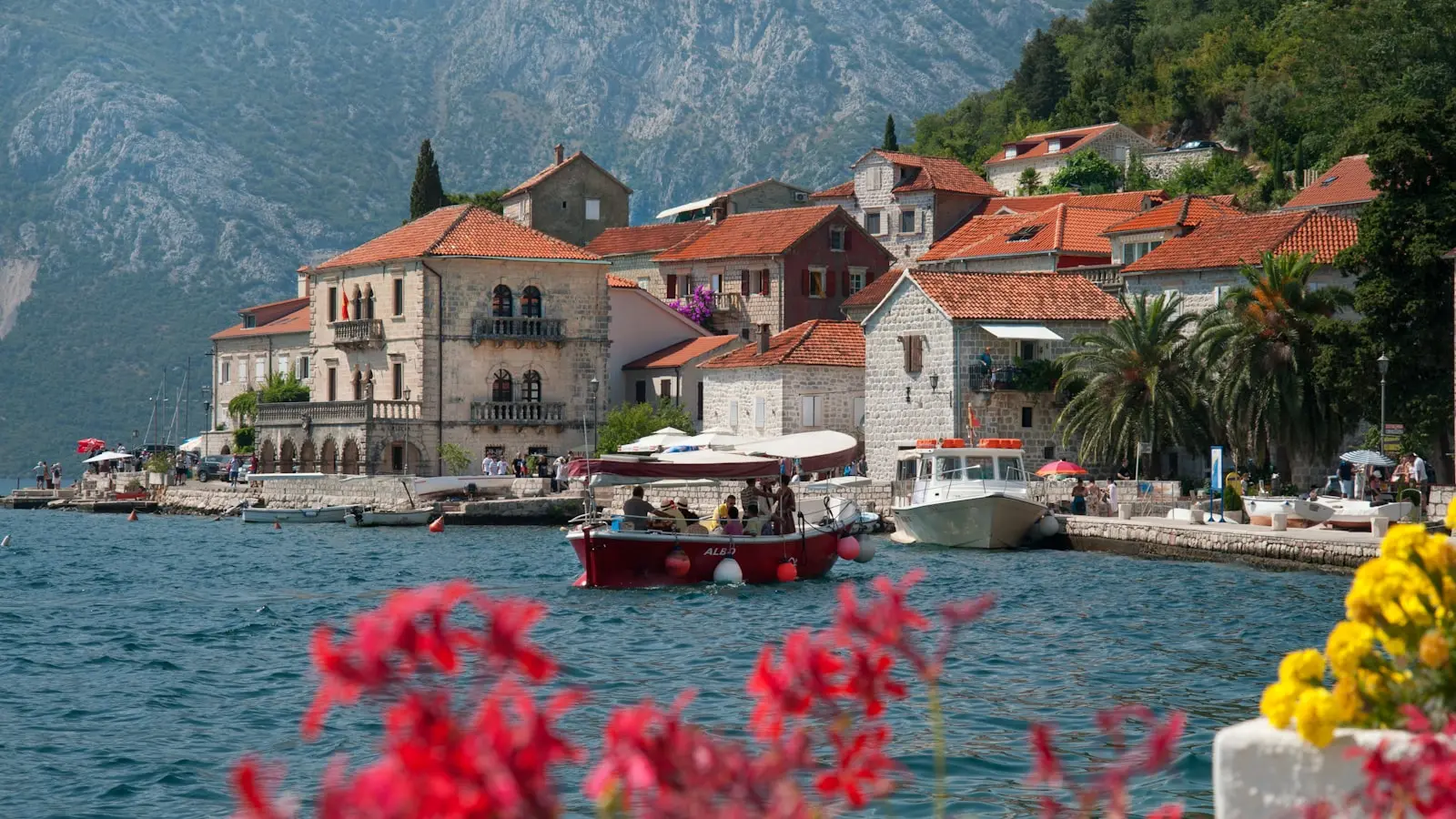
A Reddit user recently described a 3-day trip to Kotor, using it as a base to explore the Montenegrin coast. The post, shared in the /r/travel community, prompted a flurry of advice from regulars who have navigated the tight logistics of a short stay. The consensus: Kotor demands efficiency, not haste. The Old Town, the bay, and the surrounding mountains each require a dedicated day. Anything less risks seeing postcards instead of understanding the place. This itinerary, distilled from real traveler feedback and local logic, offers a structured but flexible plan for three days in one of the Adriatic’s most dramatically sited towns.
The Geography of a Short Stay: Why Three Days Works
Kotor’s compactness is both its gift and its trap. The Old Town is walkable in maybe thirty minutes end to end, but its layers demand time. The bay is a natural amphitheater that rewards slow travel by water. The mountains rise directly behind, offering hikes that reveal the fortifications from above. Three days allow a traveler to experience each texture without rushing. The Reddit thread emphasized that many visitors try to cram everything into two days and leave exhausted. The third day provides a buffer for weather, rest, or spontaneous discovery.
Day One: The Old Town and the Fortress of St. John
Begin not with a map but with the gates. Pass under the medieval arch and let the stone dictate your pace. The Old Town of Kotor is a labyrinth of narrow streets, small squares, and churches that have absorbed centuries of Venetian, Ottoman, and Austro-Hungarian influence. The first morning should be spent wandering without an agenda. Stop at the Cathedral of Saint Tryphon, a Romanesque structure built in 1166. Its interior houses a treasury of reliquaries and frescoes, but the real lesson is in the proportion. The cathedral’s modest scale relative to the town’s dense fabric reveals a design philosophy that prioritized community over spectacle.
By afternoon, climb the 1,350 steps to the Fortress of St. John. The ascent is punishing, but the reward is a view that explains why every major power fought to hold this inlet. The fortress walls snake up the mountainside, a stone scar that took centuries to complete. (Tourists often underestimate the physical demand of this climb. Bring water. Go early or late.) At the top, the bay spreads out like a geological blueprint. The shape of the water, the position of the islands, the curve of the coast—all become legible. This is the payoff. The Reddit commenters unanimously agree: dedicate one full day to the Old Town and the fortress. Do not attempt to combine it with a boat trip on the same day. The climb exhausts the legs and the mind.
Evening in the Old Town is for seafood and slow wine. Tables spill into the squares, and the lighting softens the stone to honey. The atmosphere is not contrived; it is the natural consequence of a town built when public space was for living, not touring.
Day Two: The Bay by Boat – Perast and Our Lady of the Rocks
The second day belongs to water. Take a boat from the Kotor waterfront to the town of Perast, a ten-minute ride across the bay. Perast is a living museum of Baroque architecture, preserved partly because its economy never boomed after the sailing era. The churches and palaces line the shore with a quiet dignity. But the main draw is the islet of Our Lady of the Rocks, the only artificially built island in the Adriatic. According to local legend, sailors placed stones here after each successful voyage, eventually creating solid ground. The church on the island contains paintings by Tripo Kokolja, a local baroque master, and a collection of ex-votos—silver plaques donated by sailors saved from storms. The design of the space is intimate, the intentional smallness emphasizing the peril of the sea.
The Reddit advice for this day is clear: take a guided boat tour that includes both Perast and the island, with enough free time to walk the streets of Perast afterward. Avoid the crowded catamaran tours that rush through both stops in under two hours. A good tour takes three to four hours, allowing for a slow lunch at a konoba (tavern) in Perast. The local specialty is black risotto made with cuttlefish ink, a dish that tastes of the coast’s mineral edges.
After returning to Kotor in the late afternoon, consider a swim at one of the small beaches just outside the walls. The water is cold, clear, and shockingly blue. The contrast between the warm stone of the city and the chill of the bay is the sensory signature of the Montenegrin coast.
Day Three: Hiking or a Day Trip to Budva
The third day offers a choice. Option one: hike the Ladder of Cattaro, a historic trail that ascends from the outskirts of Kotor into the mountains above the bay. This path, once used by traders to cross into Herzegovina, offers a longer and less crowded alternative to the fortress climb. The trail begins near the village of Muo and climbs through switchbacks to roughly 1,200 meters elevation. The view from the top stretches beyond the bay to the open Adriatic. Hikers report that the trail is well-marked but requires sturdy shoes and at least three hours round trip. (The Reddit community advises starting before 8 a.m. to avoid midday heat.)
Option two: take a bus or taxi to Budva, a coastal town about 25 kilometers south. Budva’s Old Town is similar in medieval layout but busier, more commercial, and more exposed to the tourist crowd. The comparison is instructive: Kotor feels like a fortress town that happened to become a destination; Budva feels like a destination that repurposed a fortress. The Old Town of Budva has a lively nightlife scene and a longer beach promenade. But the Reddit consensus leans toward staying in Kotor for the third day and using the time for a relaxed hike or a quiet afternoon at a cafe. Budva can be visited as a day trip, but it is not a necessary inclusion. The commenters note that if you choose Budva, you will spend a significant portion of the day in transit, reducing time for immersion.
For those who prefer less physical activity, the third day can be spent revisiting a favorite corner of the Old Town, browsing the small galleries, or simply sitting on the waterfront watching the yachts come and go. The point of the third day is flexibility. One Reddit user wrote: “I scheduled a hike but it rained. I spent the morning at a cafe and it was the best part of the trip.” That is the luxury of three days: you have room for the unplanned.
The Logistics: Where to Stay and How to Move
Accommodation in Kotor falls into two categories: inside the Old Town walls, where rooms are small but the proximity to everything is unmatched, or outside the walls in the newer part of the city, where prices are lower and parking is easier. The Reddit thread recommended staying just inside the main gate for convenience, but noted that noise can be an issue on weekends. If you are a light sleeper, choose a room facing an interior courtyard.
Getting around the region requires a rental car or reliance on taxis and buses. For the three-day itinerary described, a car is unnecessary for the first two days but useful for the hike or Budva trip on day three. Parking inside the Old Town is impossible; use the large lot just outside the main road.
Why This Itinerary Works: The Shape of Three Days
The structure of three days—Old Town, bay, then margin—mirrors the natural rhythm of the destination. Each day has a central activity, a moment of exertion or exploration, followed by decompression. The design of Kotor itself enforces this: the verticality of the fortress demands morning energy, the horizontality of the bay suits midday calm, and the openness of the coast invites evening reflection. The Reddit consensus matches this rhythm. The regulars who have been multiple times to Kotor do not recommend a packed schedule. They recommend a paced one.
In a world where short trips often become checklists, Kotor offers a different reward: the chance to feel the shape of a place. Three days is enough to let the city’s architecture, its history, and its landscape imprint themselves. It is not enough to exhaust them. That is the point of a good itinerary. It leaves you wanting more, but not underwhelmed.
The final word from the Reddit thread belongs to a user who said: “I spent three days in Kotor and I feel like I saw everything I needed to see. But I also feel like I barely scratched the surface.” That contradiction is the essence of travel done well. Three days in Kotor is not a race; it is a measured encounter with a place that knows its own value.