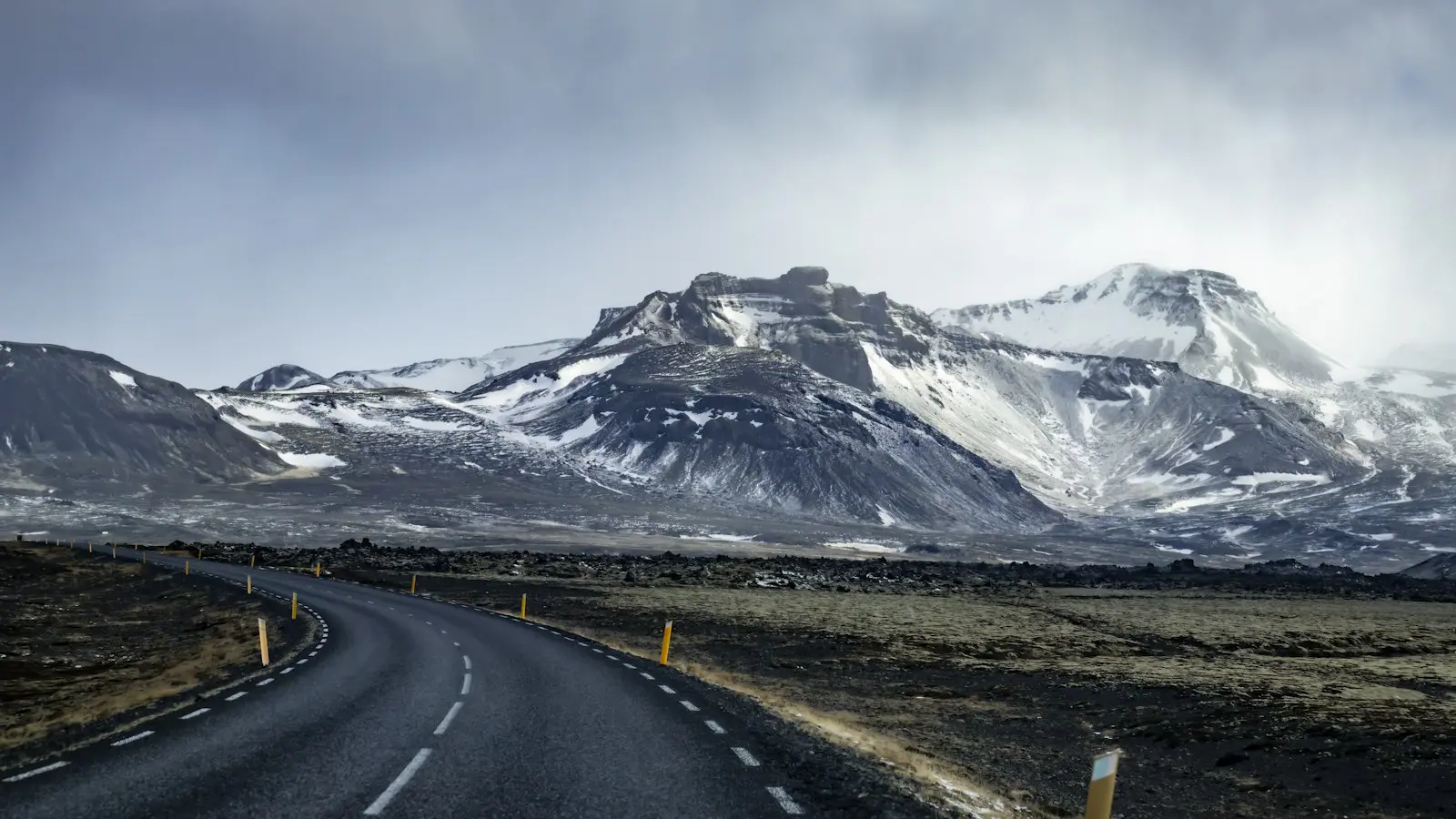
Two days can cover a memorable slice of southwest Iceland, but not every major attraction comfortably. The most workable Iceland two day itinerary combines one focused Golden Circle day with one selected South Coast day, using Reykjavik around your arrival or departure rather than trying to fit the entire city and countryside into every hour.
Treat the plan as a framework, not a promise. Weather, daylight, road conditions, parking, walking distances, meals, and temporary closures can change the day substantially. Check official road, weather, and attraction updates immediately before leaving and again during the trip.
Key Takeaways
- Pair one Golden Circle day with a carefully selected South Coast day for the most efficient two-day plan.
- Prioritize two or three experiences rather than trying to collect every waterfall, beach, glacier, and viewpoint.
- Treat Brúarárfoss as optional; its access and walking time can take more from the day than expected.
- Adjust the route for daylight, weather, road conditions, parking, and walking time, especially outside summer.
- Stay within marked boundaries at Reynisfjara and use designated or guided access at glacier areas.
Decide What Fits Into an Iceland Two Day Itinerary
The efficient core is Þingvellir, the Geysir geothermal area or whichever nearby geothermal sites are currently accessible, and Gullfoss on the first day. On the second, choose a manageable group of South Coast highlights such as Seljalandsfoss, Skógafoss, a permitted glacier-area viewpoint, and Reynisfjara.
That list is already enough for a full trip. Each attraction involves more than the time spent looking at it: there is driving, parking, walking from the car, changing layers, finding facilities, taking photographs, and allowing for weather delays. A stop that appears to require 30 minutes can consume considerably more of the usable day.
The central trade-off is simple. More named sights usually mean less time at each one and a greater chance of returning tired, late, or in worsening conditions. A good short trip protects two or three priority experiences instead of treating every viewpoint as compulsory.
Brúarárfoss is a useful example. Its blue water can make it appealing, but it is not automatically an efficient addition to a Golden Circle day. Depending on the current access route, parking arrangement, walking requirements, and your starting point, the detour can displace time from Þingvellir, Gullfoss, or a meal break. Add it only if the conditions and schedule leave genuine spare time.
A quick priority guide helps:
- For classic waterfalls, choose Gullfoss and one or two South Coast waterfalls rather than collecting every waterfall on the map.
- For black-sand scenery, prioritize Reynisfjara, but give it a proper safety margin and do not treat the beach as a casual stroll.
- For glacier scenery, choose a permitted viewpoint or a properly organized excursion. A viewpoint is not the same as walking on glacier ice.
- For city life, reserve a deliberate Reykjavik window instead of assuming you will explore after an exhausting rural loop.
Day 1: A Realistic Golden Circle in One Day
The Golden Circle works well as one of the most compact Reykjavik day trips because its main sights form a practical loop or out-and-back route. A sensible sequence is Þingvellir first, followed by the Geysir geothermal area and Gullfoss, with an optional nearby stop only if the day is running comfortably.
Use flexible blocks rather than rigid arrival times. For example:
- Morning: Pick up the car, leave Reykjavik, and visit Þingvellir. Allow time for parking, walking, viewpoints, and changing weather.
- Late morning or midday: Continue to the geothermal area. Keep the visit focused; paths, closures, and viewing arrangements may vary.
- Afternoon: Spend the most time at Gullfoss, then eat, refuel, and assess the road and weather outlook.
- Late afternoon: Add Brúarárfoss or another nearby stop only if access is confirmed and you still have a comfortable return buffer.
- Evening: Return to Reykjavik or stay farther along the route to reduce backtracking before the South Coast day.
This is what “Golden Circle in one day” should mean: a compact route with room for walking and delays, not a contest to visit every nearby attraction. Confirm current parking, fees, paths, and access details for each stop before departure, particularly outside the busiest season.
An overnight outside Reykjavik can make the next morning easier, but convenience should not override accommodation quality, road conditions, or the need to drive safely. If the weather deteriorates, staying in Reykjavik and shortening the route may be wiser than moving farther east simply to preserve the original plan.
Day 2: Choose the Most Efficient South Coast Highlights
The South Coast offers more potential stops than one day can comfortably absorb. From Reykjavik, a practical west-to-east sequence might include Seljalandsfoss, Skógafoss, a glacier-area viewpoint near the route, and Reynisfjara. Whether all four fit depends on daylight, road conditions, walking time, meals, and your turnaround point.
Seljalandsfoss is a recognizable first stop, but paths can be wet and slippery. Skógafoss offers a different waterfall experience and may be a better choice than adding another minor viewpoint. The important decision is not which attraction is objectively best; it is which combination matches your priorities without pushing the return journey into darkness or poor conditions.
A glacier-area stop needs careful wording and planning. A view of Sólheimajökull or another glacier is not permission to walk onto the ice. Glacier terrain can contain hidden hazards, unstable edges, water, and changing access conditions. If you want to go beyond a designated viewpoint, use a properly organized, permitted activity and follow the operator’s current instructions.
Reynisfjara deserves a similar amount of respect. The black sand is visually dramatic, but surf conditions can change quickly. Sneaker waves can reach farther up the beach than expected, and wet surfaces or wind can make movement difficult. Follow current beach warnings, marked boundaries, and local instructions; never cross barriers or approach the water for a photograph.
A sample South Coast day could look like this:
- Early morning: Leave from Reykjavik or a suitable overnight base after checking road and weather conditions.
- Morning: Visit Seljalandsfoss, allowing time for the walk from parking and wet or windy paths.
- Midday: Choose Skógafoss or a meal and fuel stop rather than automatically adding another detour.
- Afternoon: Select either a permitted glacier-area viewpoint or Reynisfjara, depending on access, weather, and your priorities.
- Late afternoon: Begin the return journey at a fixed time, even if another attraction appears tempting.
That last rule matters. Set the endpoint and return buffer before leaving. A short trip becomes stressful when every additional stop seems harmless but gradually removes the time needed for fuel, meals, parking, and a safe drive back.
A self-drive day gives you flexibility to turn around or skip a stop, but it also leaves you responsible for navigation, parking, road decisions, and recognizing when conditions are unsuitable. A guided excursion may reduce those decisions and provide a more structured day, though it can offer less flexibility and may still be altered by weather or access restrictions. Neither option eliminates the need to check the day’s conditions.
Driving, Daylight, Weather, and Safety Adjustments
The same route can feel generous in summer and unrealistic in winter. Long summer daylight can create a wider sightseeing window, while winter darkness, ice, storms, wind, and reduced visibility can make a timetable collapse. Do not transfer a summer schedule directly into a winter Iceland weekend itinerary.
Before each drive, check official road conditions, closures, traffic notices, and weather warnings. Mapping applications provide useful estimates, but they cannot fully account for wind, snow, poor visibility, road surface, parking queues, or frequent stops. Reduce speed for conditions, avoid hazardous roadside stopping, and do not continue when the road or vehicle is beyond your confidence or capability.
Build spare time into every day. A wet path at a waterfall may require slower walking and extra care. Wind can make an exposed viewpoint uncomfortable or unsafe. Suitable footwear, warm layers, and waterproof clothing are practical equipment, not optional luxuries.
At Reynisfjara, stay well back from the surf and obey all current warnings and boundaries. Do not assume that calm-looking water is harmless, and do not turn your attention away from the sea while photographing the cliffs or basalt formations.
At glacier sites, remain in designated areas unless you are taking part in an appropriate guided activity. Conditions and closures can change, and an attractive edge or track is not evidence that it is safe to proceed.
Where Reykjavik Fits and How to Avoid a Rushed Trip
There are three sensible ways to include Reykjavik. You can explore the city on arrival or departure, use it as a short window before or after a nearby excursion, or replace one rural route day with a slower city-focused day. The best choice depends on flight times, luggage, accommodation location, and how much driving you genuinely enjoy.
A realistic two-day structure might be:
- Day 1: Reykjavik departure, Þingvellir, the geothermal area, Gullfoss, and an overnight location that reduces backtracking.
- Day 2: Selected South Coast sights, a fixed turnaround, and either a return to Reykjavik or an onward departure plan.
If Reykjavik matters as much as the landscapes, use a gentler alternative: spend the first day in the city with one nearby excursion, then choose either the Golden Circle or a shortened South Coast route on the second day. You will see fewer rural highlights, but the experience may be more enjoyable and dependable.
Do not combine a full Golden Circle, a full South Coast drive, extensive Reykjavik sightseeing, and distant eastern destinations in two days. The map may make the country look compact, but sightseeing is measured in usable hours rather than road distance alone.
The best decision rule is to choose the route that protects your top two or three experiences. If that means skipping Brúarárfoss, a second waterfall, or a longer drive toward distant attractions, the omission is not a failure. It is what keeps an Iceland two day itinerary practical.
FAQ
Can you see the Golden Circle and South Coast in two days?
Yes, if you select rather than collect. Give one day to the Golden Circle and one day to a limited section of the South Coast, while leaving room for road conditions, walking, meals, and a safe return.
Is two days enough to visit Reykjavik and Iceland’s major highlights?
It is enough for a focused introduction, not a complete tour of Iceland’s major sights. Include Reykjavik around your rural route or replace one countryside day with more city time.
What should you skip when weather or daylight is limited?
Skip optional detours first, including Brúarárfoss if it threatens the schedule. Then reduce the number of South Coast stops, avoid extending the route toward distant destinations, and preserve daylight and a comfortable return buffer. When conditions are poor, a shorter plan is the more successful trip.