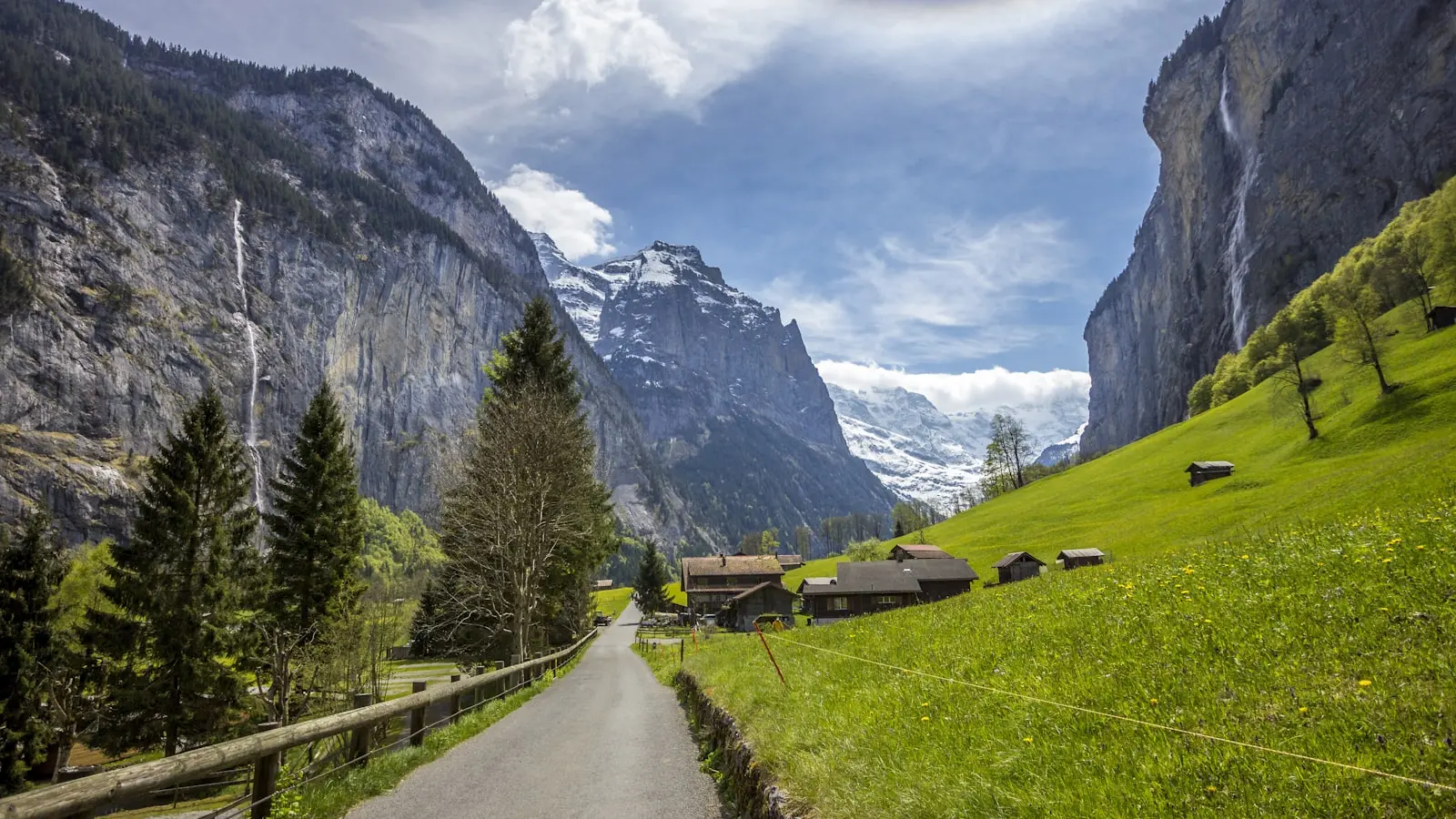
Why Switzerland’s Price Tag Polarizes Even the Most Indulgent Travelers
When a traveler steps off a train in Lucerne, the first impression is almost too clean. The cobblestones glisten, the lake reflects a sky that seems orchestrated, and the air carries the scent of alpine hay and chocolate. But that moment of awe collides with the wallet shock that follows: a coffee costs CHF 6, a simple lunch plate starts at CHF 25, and a night in a mid-range hotel can exceed CHF 200. The Reddit community r/travel has long debated whether Switzerland’s beauty justifies its cost. The consensus? It does – but only with strategic workarounds.
The post that ignited this particular thread begins with a blunt admission: Switzerland was “annoyingly beautiful.” The annoyance is the price. Users immediately share tactics that have become almost ritualistic among seasoned budget travelers. The first rule: never eat out three times a day. Instead, pack food from supermarkets like Coop and Migros. A sandwich roll, a wedge of Gruyère, a piece of fruit, and a bottle of tap water (yes, Swiss tap water is safe and excellent) can cost under CHF 10. Compare that to a mountain restaurant plate of rösti for CHF 35. The savings are not marginal; they are structural.
The Supermarket Strategy
Reddit users consistently emphasize that groceries are the biggest lever. Coop and Migros dominate the Swiss retail landscape, with nearly identical pricing. A typical picnic lunch: a half-loaf of bread (CHF 2.50), a slice of cheese (CHF 3), an apple (CHF 1), and a bottle of water (free from taps). Total: CHF 6.50. A comparable meal in a restaurant would be three times that. The thread warns against buying pre-made sandwiches at the supermarket deli – those cost almost as much as a sit-down meal. Instead, buy ingredients and assemble on a park bench or lakeside rock.
One user calculated that eating out for breakfast, lunch, and dinner would cost roughly CHF 90 per day. Substituting two meals with supermarket provisioning drops that to CHF 30. Over a week, the difference is CHF 420 – enough to cover a six-day Swiss Travel Pass. The arithmetic is brutal but clear. (And no, you are not missing cultural experiences by skipping the restaurant; the best view is often from a mountain trail, not a dining table.)
Transportation Tactics
The Swiss Travel Pass is the most debated tool on the thread. At CHF 232 for four consecutive days (second class, 2025 prices), it covers trains, buses, boats, and even some cable cars. Users argue that its value depends on your itinerary. If you plan to move between cities – Zurich to Interlaken, then to Zermatt – the pass saves money. But if you stay in one base, a Half-Fare Card (CHF 120 for a month) plus point-to-point tickets might be cheaper. A Redditor in the thread did the math: for a seven-day trip with four travel days, the Swiss Travel Pass wins. For a weekend in Geneva, it does not.
The car train is another niche but valuable tip. Driving through the Lötschberg or Vereina tunnels costs CHF 30–50 per vehicle, but eliminates hours of mountain passes and reduces fuel consumption. The thread notes that the car train is not a budget luxury; it is a time-cost trade-off that almost always saves money when factoring in tolls and wear on car brakes. (Thankfully, the Swiss system is integrated – you can book online or at the station, and the trains run on time, always.)
Accommodation Choices
Lodging is the third pressure point. Swiss Youth Hostels are famously clean and efficient – a dorm bed in Interlaken costs about CHF 45 per night. The thread recommends booking directly through the hostel association rather than third-party sites to avoid markup. Camping is even cheaper: a tent pitch at a campground near Lake Lucerne runs CHF 15–20 per night. But users warn that summer and winter peak seasons drive prices up by 30–50%. The cost differential between a hostel and a budget hotel is often just CHF 20–30, so if you find a decent deal on a private room (CHF 100–120), take it.
Free Attractions: The Real Switzerland
The most powerful insight from the Reddit discussion is not about spending less; it’s about reframing the experience. Switzerland’s greatest attractions are free. Hiking trails are impeccably maintained and signposted. Lakes like Geneva, Lucerne, and Zurich offer public swimming platforms at no cost. The country’s architecture – from medieval Bern to the sleek modernism of the Rolex Learning Center – is a public gallery. The thread emphasizes that the best views require no entry fee; they require only a pair of hiking boots and a packed lunch. (One user wrote: “The most expensive thing I did was eat inside a mountain hut. I learned my lesson.”)
The Cultural Context
This aligns with a broader cultural observation. Switzerland’s design ethos – efficient, precise, and respectful of space – shapes the tourist experience. Trains run on time, platforms are clean, and signage is multilingual. This infrastructure is not accidental; it is the result of decades of investment and a cultural obsession with order. The result is that even a budget trip feels seamless. You do not waste money on frustration. You waste it only on overpriced fondue.
Yet the Reddit thread also admits that some experiences are worth the splurge – once. Eating at a mountain restaurant after a long hike, watching the sunset over the Matterhorn while sipping a beer at CHF 8, is a memory that no supermarket picnic can replicate. The art is balance.
Conclusion: The Cost of Beauty
In the end, the discussion reveals that Switzerland does not reward the unprepared. The country demands planning, discipline, and a willingness to ignore the default tourist path. For those who bring a refillable water bottle, a roll of salami, and a Swiss Travel Pass, the “annoying beauty” becomes affordable – still expensive, but no longer a burden. The Reddit community’s advice is not just about money; it is about reclaiming agency in a country designed to extract it.
(Is Switzerland worth it? Yes. But only if you treat it as a place to live, not a place to spend.)
Quick Cost Comparison Table
| Item | Restaurant Price (CHF) | Supermarket Price (CHF) |
|---|---|---|
| Coffee | 5–7 | 1.50 (instant) |
| Lunch (main) | 25–35 | 6–10 (picnic) |
| Beer (0.5L) | 7–9 | 2–3 (in store) |
| Bottled water | 4–5 | 1 (or free from tap) |
| Pie/desert | 8–12 | 2–4 (chocolate bar) |
Note: Prices are approximate as of 2025, collected from user reports.