When a Reddit user posted a three-week Nepal itinerary that began in Kathmandu, sliced through the Annapurna Circuit, and landed in Pokhara, the response was immediate. Not because the route was novel — it is a classic — but because the question it raised has no easy answer: How many days does culture deserve before the mountains demand their due? The post, a straightforward travel diary, became a forum for a deeper negotiation between immersion and endurance.
The Cultural Geometry of Kathmandu
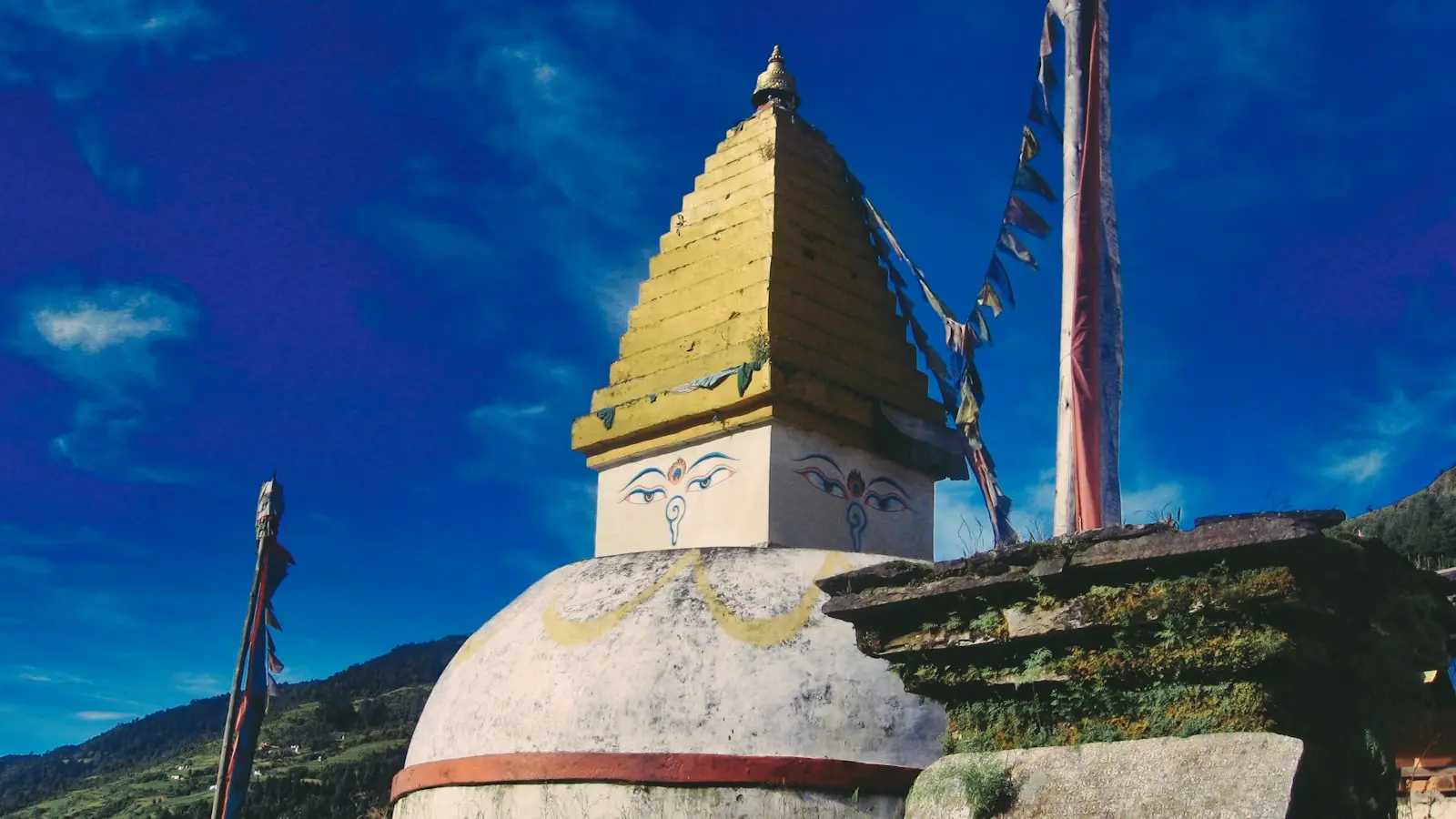
Kathmandu is not a city that yields its secrets easily. The Reddit traveler spent four days there, hitting Pashupatinath temple at dawn, Swayambhunath stupa in the late afternoon light, and Boudhanath when the butter lamps flickered inside the monastery walls. This is the correct rhythm — not a checklist but a sequence calibrated to the city’s own tempo.
The Durbar Squares — three of them, actually — demand separate visits. Hanuman Dhoka in the old city, Patan’s more refined courtyard, and Bhaktapur’s wider plazas each tell a different chapter of Malla architecture. The Reddit thread echoed something seasoned travelers know: temple dress codes are enforced, shoulders and knees covered, and the best time to visit Pashupatinath is before the tour buses arrive at 7 a.m. (The cremation ghats along the Bagmati are not a spectacle — they are a ritual. Silence is not optional.)
Jet lag recovery days are not a luxury; they are infrastructure. The Reddit user allocated one full day upon arrival simply to recalibrate. This is a hard-earned lesson. The body, stripped of altitude acclimatization, cannot process cultural density immediately. The smart traveler treats the first 36 hours as a gentle introduction — a walk through Thamel’s narrow streets, a cup of chiya at a roadside stall, nothing more. (Frankly, trying to do Pashupatinath and Boudhanath on Day One is setting yourself up for exhaustion.)
The Annapurna Circuit: Design Against the Clock
The trek itself is not a single path but a set of decisions. The Reddit user completed it in 14 days, a pace that few first-timers should attempt without careful preparation. The classic circuit from Besisahar to Jomsom can stretch to 18 or 21 days, depending on side trips like the Tilicho Lake detour or the Thorong La pass crossing. The Reddit post did not include side trips, and the thread uniformly advised against skipping acclimatization days. (Altitude sickness does not negotiate.)
The terrain demands more than footwear and a sleeping bag. It demands a rhythm of walking, resting, and eating that mirrors the landscape’s own cycles. The Reddit traveler booked a guide through a registered agency — a move the thread applauded. Guides handle logistics, negotiate tea house prices, and read the weather. Porters, when hired, carry up to 20 kilograms. The relationship is economic but also cultural: a porter from a remote village brings knowledge of the trail that no map can capture.
The tea houses along the circuit are not hotels; they are domestic spaces converted into temporary shelter. The Reddit user described sleeping in rooms with walls thin enough to hear the wind from the pass. The food is dal bhat — lentils, rice, vegetables — served twice a day because it provides the carbohydrates needed for altitude work. (Western snacks like energy bars are expensive and often stale. Rely on what the locals eat.)
The Thorong La pass at 5,416 meters is the physical climax of the trek. The Reddit user crossed it at dawn, when the snow was still hard and the air thin. The descent to Muktinath is a relief, but the body takes days to recover. The thread recommended spending an extra night at Manang (3,500m) for acclimatization, even if it means cutting a day from Pokhara. That advice is grounded in physiology: the risk of HAPE is real, and no view is worth a helicopter evacuation bill of several thousand dollars.
Pokhara: The Antidote to Altitude
After the Annapurna Circuit, Pokhara functions as a decompression chamber. The Reddit user spent three days there, doing little more than walking the lakeside and staring at the Fishtail peak. This is not laziness; it is repair. The city’s layout — a long string of guesthouses and restaurants along Phewa Lake — encourages a horizontal existence. No stairs, no steep climbs, just flat concrete and the occasional boat ride.
The view of the Annapurna range from the lake is almost too perfect, like a postcard that has forgotten to be cynical. But the Reddit post noted something important: the best vistas come at dawn, when the weather is clear and the crowds are still sleeping. Sarangkot, a hilltop viewpoint, requires a pre-dawn taxi ride, but the reward is a sunrise that turns the snow peaks orange. (The alternative — watching from a rooftop cafe while eating banana pancakes — is acceptable, if less dramatic.)
Pokhara’s design is telling: the lakeside promenade is lined with shops selling trekking gear, massage parlors, and bakeries. It is a town built to process the aftermath of physical effort. The Reddit user spent one day paragliding, a popular activity that provides an aerial perspective on the valley. The thread’s advice: book through a reputable company, check equipment maintenance logs, and don’t bargain on safety. (A broken harness at 1,500 meters is not a negotiating point.)
The Arithmetic of Three Weeks
The Reddit itinerary — 4 days Kathmandu, 14 days trek, 3 days Pokhara — works, but only for a traveler in good physical condition with no major altitude issues. The thread’s collective wisdom suggests a more conservative split: 3 days Kathmandu, 16 days trek (including acclimatization and rest days), and 2 days Pokhara. That shifts the balance toward the mountains, but the cultural loss is minimal.
Alternatively, a traveler could stay in Kathmandu for 5 days, take a shorter trek like the Poon Hill loop (7-8 days), and spend the remaining time in Pokhara and Chitwan National Park. This sacrifices the high pass experience for greater variety. The Reddit user chose the full circuit because, as they wrote, “the Annapurna is the reason I came to Nepal.” That clarity of purpose simplifies the math.
The Unspoken Costs
Three weeks in Nepal is not cheap, though it is cheaper than comparable trips in Europe or North America. The Reddit user budgeted roughly $1,500 total, excluding international flights. Guides cost $25–$35 per day, porters $15–$20. Tea houses charge $5–$10 for a room. The thread warned about hidden costs: permit fees (TIMS card $20, ACAP permit $30), hot showers ($2–$3 each), and charging electronics ($1–$2 per device). (Budget extra for these. They add up.)
The real cost is mental. The Reddit user described the trek as “relentless,” and the thread agreed. The physical exhaustion, the repetitive dal bhat, the cold mornings — these are not complaints but acknowledgments of what the experience demands. The reward is not a photograph but a changed relationship to one’s own body and time.
The Emotional Architecture of the Trip
A well-designed itinerary does not just move a traveler from point to point; it creates a narrative arc. The Reddit user’s three-week plan follows a classic three-act structure: immersion (Kathmandu), challenge (Annapurna), resolution (Pokhara). The cultural sites in Kathmandu build a foundation of context — the religious and political history that shaped mountain communities. The trek then becomes a physical enactment of that context, climbing from subtropical forests to arctic passes. Pokhara provides the denouement, a chance to reflect on the journey while the body slowly forgets the ache.
Design shapes behavior. A traveler who spends too many days in Kathmandu may lack the energy for the trek. A traveler who rushes the trek might miss the cultural connections that make the altitude worthwhile. The Reddit user’s itinerary, with its 4–14–3 split, is a calibration that works for many but not all. The thread’s advice is simple: listen to your body, do not heroize the trail, and never, ever skip acclimatization.
The mountains will wait. The temples will stand. The three-week window is narrow, but within it, a traveler can design an experience that negotiates between two ancient forces — the pull of a high pass and the gravity of a copper bell. The Reddit user did not solve the equation for everyone. They merely showed one elegant way to hold both ends of the rope.