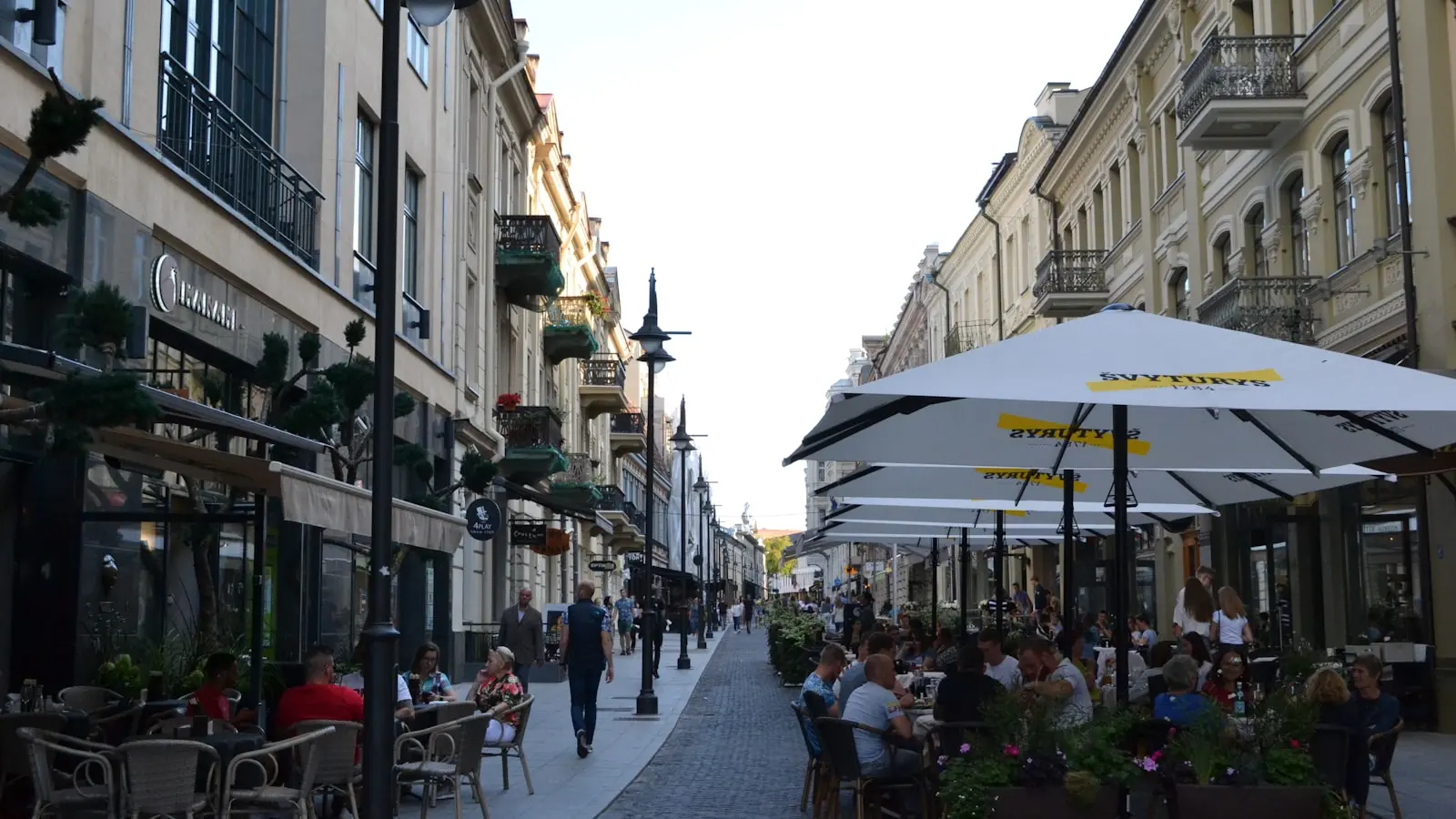
Saving money while traveling in Europe is about making smart choices before you go and once you arrive. A realistic daily budget for Western Europe is roughly €80–100, while Eastern European cities like Prague run €40–60 per day. The key is to avoid common pitfalls: last-minute bookings, unnecessary baggage fees, and expensive city passes you don’t fully use. Here’s how to stretch your euro without missing out.
Key Takeaways
- Book flights 2–3 months ahead and domestic trains 3–6 weeks ahead for the best prices.
- Choose hostels with female-only dorms and lockers, or try Couchsurfing and house-sitting to cut costs.
- Eat lunch as the main meal and hit supermarkets for picnics to save on food.
- Free walking tours and first-Sunday museum entries offer low-cost cultural experiences.
- Use cards like Wise or Revolut to avoid foreign transaction fees.
Transportation: Timing, Mode Choices, and Hidden Fees
Book flights at least two to three months ahead for the best prices. For domestic trains in Italy, France, or Germany, the sweet spot is three to six weeks before departure. Last-minute tickets often cost double. For short distances under four hours, trains can be cheaper than flying when you factor in airport transfer time and checked luggage fees. Use comparison tools like Omio or Trainline to weigh your options.
Budget airlines like Ryanair and EasyJet keep base fares low but pile on fees for checked bags. Pack a carry-on and a personal item only. Weigh your bag at home to avoid surprise charges at the gate. Night buses and rideshare services like BlaBlaCar save both money and a night of accommodation. A night bus from Paris to Barcelona costs around €30–40, roughly the same as a hostel bed.
City transit passes can be worthwhile if you plan three or more trips per day. For example, the Berlin Welcome Card includes unlimited public transport and discounts to museums. But do the math first. If you only need two rides, a single ticket is cheaper. The same logic applies to the Oslo Pass or the Paris Visite pass. Always calculate your actual itinerary before buying.
Accommodation: Beyond Hostels
Hostel dorm beds range from €15 per night in Eastern Europe to €40 in central London. Look for hostels with female-only dorms, lockable lockers, and 24-hour reception. Read recent reviews from solo female travelers to gauge safety. Many hostels now offer privacy curtains and personal reading lights, making dorm life more comfortable.
Consider alternatives like Couchsurfing, where you stay with locals for free. Vet hosts carefully by reading references and messaging before booking. House-sitting platforms such as TrustedHousesitters let you live in someone’s home for free while they are away. Work-exchange programs like Worldpackers ask for a few hours of help each day in exchange for a bed and sometimes meals.
Book directly with hotels or hostels when possible. You may get a free breakfast or a room upgrade that third-party sites do not offer. Apartments with a kitchenette are a game changer. Cooking a simple dinner can save €10–15 per meal compared to eating out. Even making your own coffee in the morning adds up over a week.
Seasonal pricing matters. Avoid August and the Christmas–New Year period. May–June and September–October offer lower rates, fewer crowds, and pleasant weather. A hostel in Rome that costs €50 per night in August might be €30 in late September.
Food: Eating Well Without Overspending
Eating out for every meal is the fastest way to blow a budget. A sit-down dinner in Paris costs €25–35. In Prague, the same meal runs €8–12. To balance, eat your main meal at lunch. Many restaurants offer fixed-price lunch menus for €10–15, which is often half the dinner price.
Visit supermarkets and local markets. A picnic of bread, cheese, fruit, and a pastry costs about €5–8. Parks across Europe have benches and tables. In Germany, white asparagus (Spargel) appears in spring at a fraction of its cost later in the year. Ordering seasonal dishes is both cheaper and more authentic.
Street food is your friend. Falafel in Berlin costs €3–5. Pizza al taglio in Rome runs €3–6 per slice. In Amsterdam, a herring sandwich from a street stall is under €5. Always check whether a service charge is included in the bill to avoid double tipping.
Attractions: Free and Discounted Experiences
Many major museums offer free entry on the first Sunday of each month. The Louvre in Paris and the Uffizi in Florence participate, but expect long queues. Check the official museum website for the exact day. In Rome, the Colosseum has free entry on the first Sunday, but it is extremely crowded.
Free walking tours are available in almost every European city. You tip what you think the tour was worth, typically €5–10. These tours give a solid overview of the city and often include local tips you won’t find in guidebooks.
City passes bundle admission to multiple attractions. The Paris Museum Pass costs around €55 for two days. If you plan to visit the Louvre, Musée d’Orsay, and Versailles within that time, it saves money. But if you only want two museums, buying individual tickets is cheaper. Always calculate.
Consider visiting smaller cities instead of capital hubs. Spending two days in Bologna instead of Rome can cut daily costs by 30–40%. Accommodation is cheaper, restaurants are less touristy, and you still get incredible food and history.
Money Matters: Cards, Fees, and Safety
Avoid foreign transaction fees by using a travel-friendly card like Wise or Revolut. These cards offer near-midmarket exchange rates and low ATM fees when using partner networks. Withdraw cash in larger amounts less often to minimize per-transaction fees. Keep your cash in a money belt or hidden pouch, not in a back pocket.
U.S. citizens can stay up to 90 days in any 180-day period within the Schengen area. That rule applies to all Schengen countries collectively. Some cities charge a tourist tax of €1–5 per night, which is usually added to your hotel bill. Factor it into your daily budget.
For solo female travelers, hostels are generally safe when you choose ones with good ratings from other solo women. Look for lockers in the room, a 24-hour front desk, and clear safety policies. Couchsurfing is safe when you read multiple references and meet the host in a public place first. Trust your instincts.
FAQ
1. Is Eastern Europe always cheaper than Western Europe? Not always. Popular spots like Dubrovnik or Kraków in peak season can cost as much as mid-range Western cities. Always compare accommodation and meal prices for your specific destinations before assuming.
2. Are hostels safe for solo female travelers on a budget? Yes, when you choose hostels with female-only dorms, lockable lockers, and strong reviews from solo women. Many hostels have 24-hour staff, security cameras, and key-card access. Read recent reviews on booking sites.
3. Is a Eurail pass worth it for budget travel? Only if you plan four or more long-distance train days within a short period. For slower travel or fewer trips, point-to-point tickets booked early in Italy, France, or Germany are usually cheaper. Compare the total pass cost with the sum of advance tickets.
4. What are the best apps for saving money in Europe? Wise and Revolut for no-fee currency exchange. BlaBlaCar for rideshare. HostelPass for hostel discounts. Omio for comparing train and bus prices. Google Maps also shows walking routes and public transit schedules.
5. How can I avoid hidden costs? Read the fine print on budget airline tickets, which often charge for seat selection, carry-on bags if they are oversized, and printing boarding passes at the airport. Factor in tourist taxes when booking accommodation. Always confirm whether a restaurant bill already includes service.