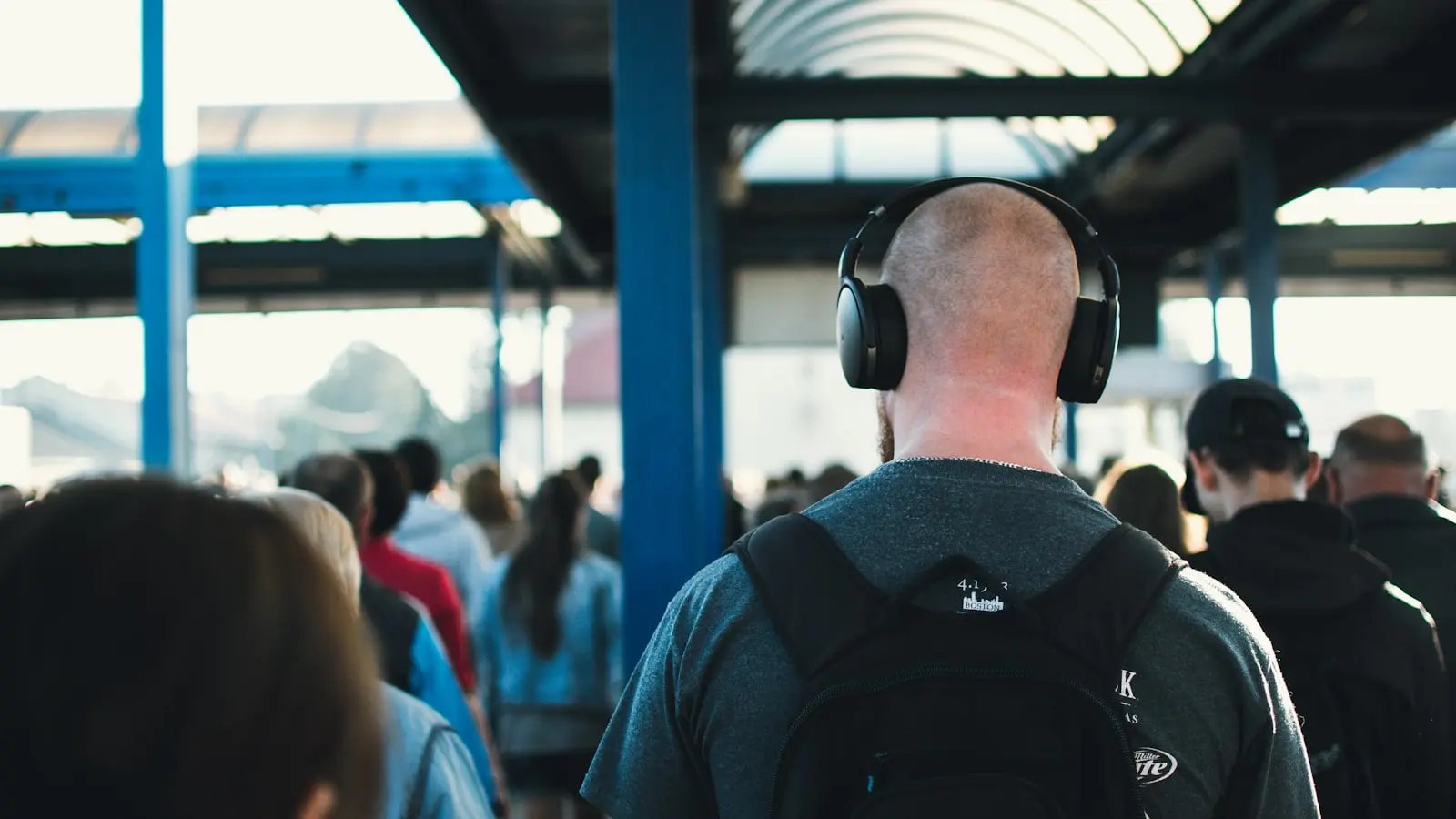
You board your flight, settle into your seat, and before takeoff your seatmate turns to you with a bright smile and an open-ended question. You value quiet time but don’t want to be rude. The good news is that you can handle this situation politely with a layered toolkit of signals and phrases that respect both your need for silence and social norms.
Key Takeaways
- Use clear non-verbal cues before takeoff, such as headphones or a book, to signal that you are occupied.
- Start with polite verbal excuses like needing to work or rest; these are widely accepted and rarely challenged.
- If the person persists, calmly restate your boundary with a direct statement such as “I really need quiet time.”
- Understand cultural differences: in some regions, conversation is expected as a courtesy, so a warm but firm approach works best.
Pre-Flight Preparation and Early Signals
Your pre-flight choices set the stage. Wear visible accessories that signal you are occupied: over-ear headphones, a neck pillow, or an open book. These cues work before a single word is spoken. If possible, choose a window seat so you can turn your body toward the window and reduce the angle for conversation.
When your seatmate first sits down, offer a brief greeting – a simple “Hello” with a smile and then immediately look down at your book or your phone. One-word answers to early questions (“Yes,” “No,” “Thanks”) with no follow-up tell the other person you are not inviting more. Keep your body language closed: arms folded, torso angled away, eyes on your own screen or paper. Most people will read these signals correctly and leave you alone.
Verbal Tactics: From Subtle to Direct
If conversation starts despite non-verbal cues, use one of these polite phrases. The polite excuse is the most reliable: “I’m just going to close my eyes for a bit,” or “I need to focus on work for this flight.” Mentioning a personal need such as a headache, an early morning, or a desire to sleep is widely accepted by etiquette standards and rarely challenged.
A slightly more direct approach is to frame your preference as neutral: “I prefer to read during flights.” Delivered without apology, this statement sets your choice without judgment. Another graceful exit is to set a time limit: “Let’s chat until the safety briefing, and then I’ll get into my podcast.” This provides a clear end point and feels considerate.
When the Person Persists: De-escalation and Crew Support
If your seatmate ignores your first polite signals, stay calm and repeat your boundary with a warmer tone. “I really do need to concentrate now, thanks for understanding” is firm but still polite. If necessary, invoke a necessity: “I need to get some rest for a big day tomorrow.” Almost no one will push back against a need for sleep or health.
If the person continues talking, escalate to stronger physical signals. Put on noise-cancelling headphones, close your eyes fully, or start a movie that clearly demands attention. These actions communicate finality without words. Should the situation become truly uncomfortable, you may discreetly signal a flight attendant. A simple request – “I’m not feeling well, could I change seats?” or “Could you help me with something?” – can bring crew support without embarrassing anyone. This is a last resort, but it is acceptable in airplanes where you have no other escape.
Cultural Considerations: Navigating Different Social Norms
Expectations around airplane conversation vary widely by culture. In southern European or Latin American contexts, striking up a chat is often seen as friendly and courteous. In Nordic or East Asian settings, silence is the default and is respected. On a short hop like Milan to Rome, you might see a chatty group seated across from a quiet couple – each side following its own social script.
If your seatmate appears to come from a culture where conversation is the norm, you can adapt your approach. A warm but firm statement such as “I’m so sorry, I’m a very quiet traveler” softens the rejection by attributing it to your own personality. On long-haul flights, you may choose to schedule a short chat before settling in, which satisfies the social urge and then gives you permission to disengage for the rest of the journey.
Post-Flight Recovery: Resetting Your Mental Energy
Managing a chatty seatmate can be draining, especially if you feel you spent the whole flight balancing politeness with your need for quiet. After you deplane, take a moment to acknowledge that you handled the situation well. Silently praise yourself for protecting your boundaries in a confined space.
If you feel residual tension, debrief with a friend or partner. Sharing the experience helps release it. Finally, reframe the interaction as a positive social skill. The ability to navigate a chatty seatmate on a flight without rudeness builds confidence for future encounters. Each trip is practice in setting clear, respectful limits.
Frequently Asked Questions
Is it rude to wear headphones when a seatmate is talking? No. If you put them on before or after a brief greeting, they are a clear signal. If the conversation has already started, simply say, “I’m going to listen to something now,” and put them on. That avoids abruptness.
What if the seatmate doesn’t take hints and keeps talking? Escalate to a clear, direct statement: “I really need quiet time on this flight. I hope you understand.” If the person still persists, ask a flight attendant to assist. You are not obligated to continue a conversation you do not want.
Should I feel guilty for wanting to be left alone? No. Airplane cabins are confined spaces, and respecting your own need for silence is as valid as your seatmate’s desire to talk. Etiquette experts emphasize mutual respect. You are not being rude; you are protecting your personal energy.