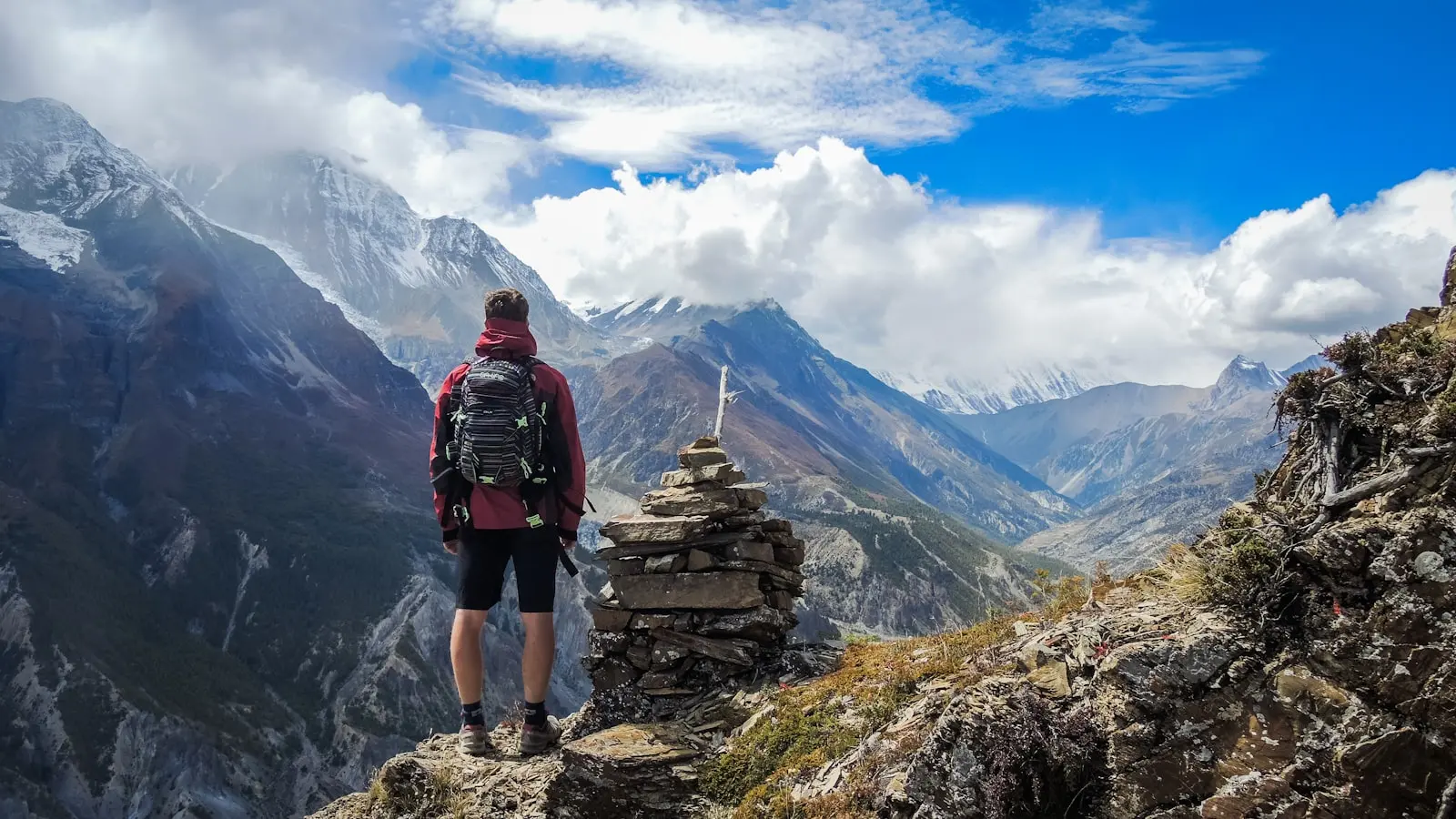
The phrase “I need to get the shot” has become a travel mantra. A traveler stands at the edge of a famous viewpoint, phone extended, waiting for the perfect selfie. Behind them, a line of people grows impatient. The sunset is spectacular, but no one sees it. They see a screen. This scene plays out daily at thousands of destinations, from Santorini to Bali. The pursuit of social validation has hijacked travel. But a counter-movement is emerging. Reddit discussions, travel blogs, and firsthand accounts reveal a growing frustration: the desire for genuine experiences, not likes.
The Problem With Instagram Tourism
Instagram tourism is not a myth. It is a documented phenomenon. Destinations become overcrowded, local culture commodified, and the traveler leaves with a curated album but no real memory. Analysts note that the average visitor at iconic spots spends less than 15 minutes before moving on. They did not feel the place. They documented it. The result is a superficial connection, a hollow trophy. (Did that photo really capture anything?) The psychological toll is real. Travelers report anxiety over getting the perfect angle, FOMO about missing a viral spot, and disappointment when reality does not match the filter.
How to Research Local Culture Instead of Trending Hashtags
The first step toward authenticity is a deliberate shift in research methods. Instead of searching “top 10 photo spots in Rome,” invest time in understanding the city’s rhythm. Read local newspapers, watch documentaries by regional filmmakers, or follow a local chef on YouTube. The goal is to discover what the community values, not what tourists are told to value. (Why visit a piazza everyone photographs when the bakery around the corner tells a better story?) One effective technique: when you arrive, ask a barista where they go on their day off. Their answer will likely be a place with no Instagram tag.
Slower Travel: The Antidote to Validation Fatigue
Speed ruins immersion. The modern itinerary packs three cities into five days. That is a checklist, not travel. Slower travel means staying in one place long enough to notice patterns: the bread delivery at 7 a.m., the old man feeding pigeons at the same bench each afternoon, the shift in light through a medieval window. These are the textures that build a sense of place. Economically, slow travel also supports local economies instead of funneling cash to international chains. A traveler who stays a week buys groceries, visits the same market stall, and develops a rapport. That is a relationship, not a transaction.
Keeping a Private Journal: Why It Matters
One suggestion that repeatedly surfaces in authentic travel communities is the private journal. Not a blog, not a social media thread, but a physical notebook or a locked note on a phone. The act of writing without an audience changes what you notice. You describe the smell of rain on asphalt, the sound of a distant prayer call, the taste of a fruit you cannot name. These details are worthless for the algorithm but invaluable for memory. (Who else will ever read that? No one. That is the point.) Travelers who keep private journals report higher satisfaction and recall months later. The brain encodes experience differently when it is not preparing for a performance.
Digital Detox Trips: The Experiment That Works
A growing number of travelers have tried digital detox trips — vacations where they deliberately leave phones turned off or at home. The reactions are telling. In Reddit threads, users describe an initial panic, then a deep calm. They notice conversations with locals, the texture of a handwoven blanket, the way a city breathes without the hum of notifications. One traveler recounted a week in a Japanese ryokan without internet: “I learned to read body language, to sit with silence, and to listen to the rain.” These trips are not about escapism; they are about reclaiming attention. When the feed is gone, the actual world floods in.
Practical Steps to Plan an Experience-Driven Trip
First, choose a destination based on a curiosity, not a viral post. Ask: What historical event, cultural practice, or natural phenomenon interests me? Then dig deeper. Second, build a loose itinerary with flexibility for spontaneity. Reserve half the day for wandering without a map. Third, avoid booking any activity solely for its photo potential. If a place is famous for a selfie, consider visiting at off-peak hours or skipping it entirely. Fourth, seek local guides who offer walking tours focused on history and daily life, not photo stops. Fifth, budget for slow meals — restaurants where you sit, order, and stay for two hours. These are the spaces where travel happens.
The Emotional Architecture of Place
Authentic travel is not about the Instagrammable facade. It is about the emotional architecture of a place — how the light hits a cobblestone alley, how the market sounds crescendo at noon, how a stranger offers a warm smile. These elements cannot be captured in a square frame. They must be experienced through full presence. When you stop performing for an audience, you start living the journey. The reward is not a photo album. It is a deeper sense of connection, a richer narrative, and a memory that does not need a filter.
Why It Matters Beyond the Trip
The shift away from social validation travel is not just a personal preference. It has cultural and environmental implications. When travelers prioritize genuine experiences, they reduce pressure on overtouristed spots. They support authentic local businesses instead of those catering to the influencer economy. They become ambassadors of nuance, not caricatures. And they return home changed, not just with a phone full of photos but with a perspective that carries into everyday life. The real travel is the one that reshapes you, not your feed.
Conclusion: Reframe the Question
Instead of asking “Where should I go for the best photo?” ask “What do I want to feel?” That single reframe alters every decision. It leads to slower itineraries, deeper research, and richer interactions. The Reddit rant that sparked this conversation was a call to arms: stop traveling for approval, travel for growth. The tools are simple: research local culture, move slowly, write privately, and disconnect publicly. The result is a journey that belongs to you, not to your followers.