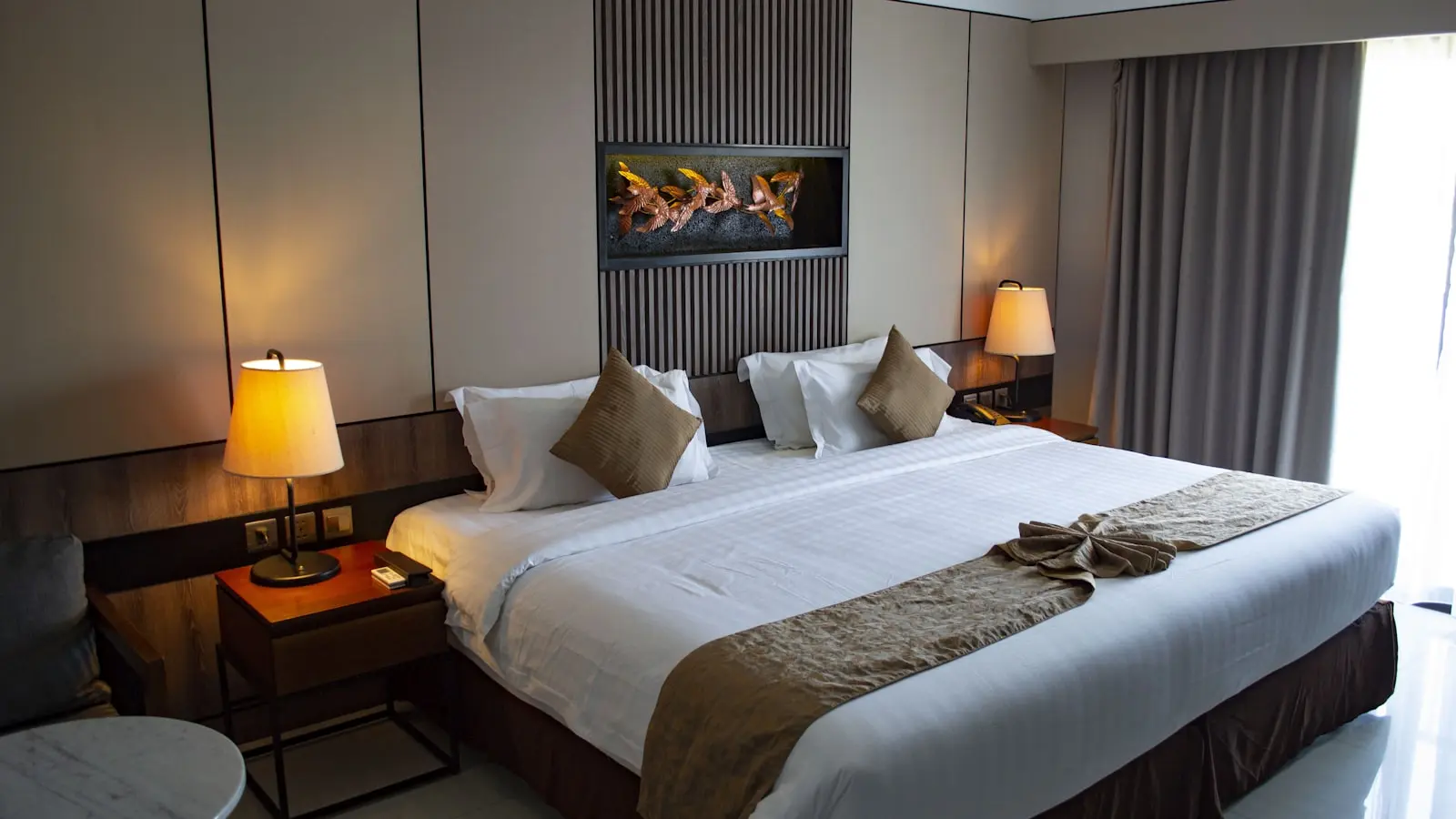
Choosing the best onsen hotel for a two-night stay comes down to balancing your budget, preferred location, room style, onsen facilities, meal plans, and booking policies. A two-night stay allows you to fully unwind, so the decision matters more than a single overnight. This guide walks through six key factors to help you evaluate your options and book with confidence.
Key Takeaways
- Set a firm budget and choose a location that matches your goals, whether relaxation or sightseeing.
- Decide between traditional tatami rooms and Western-style beds; consider a private onsen bath for exclusivity or to navigate tattoo policies.
- Check onsen water type, operating hours, and specific policies (especially tattoo rules) to avoid surprises.
- Prioritize half-board meal plans featuring kaiseki dinner, and communicate any dietary restrictions well in advance.
Step 1: Determine Your Budget and Desired Location
Prices for onsen hotels vary widely. Budget-friendly options may start around $185 per night, while premium ryokan can exceed $420 per night for a standard room. These are sample figures from travel listings; actual rates depend on the season, room category, and included services. For a two-night stay, the total cost can quickly double or triple, so it helps to set a firm budget before you begin searching.
Location is equally important. Popular onsen resort towns include Hakone, Kusatsu, and Noboribetsu, each offering a mix of public baths, sightseeing, and dining. If you prefer a quieter atmosphere, consider smaller towns like Yamanaka Onsen. The Yamanaka area is known for its traditional inns and relaxed pace. Some travelers specifically choose a hotel in Yamanaka Onsen for its calm environment and easy access to local crafts and nature walks. A guest who stayed at Kajikaso Hotel, for example, appreciated the onsen baths and the unhurried feel of the area.
Think about proximity to attractions. Do you want to visit temples, hike trails, or explore a ski resort? If your two-night stay is meant to be a pure relaxation retreat, a secluded onsen town may suit you best. If you want to combine sightseeing with hot spring soaks, choose a location near major transit hubs or within walking distance of landmarks.
Step 2: Compare Room Types – Japanese-Style vs. Western
Onsen hotels offer two main room styles: traditional tatami rooms with futon bedding and Western-style rooms with beds. For a two-night stay, the spaciousness of a tatami suite can be a real advantage. You have more floor space to spread out, and the ritual of the staff laying out your futon each evening adds to the experience. Many guests find that sleeping on a futon is comfortable after a long soak.
A growing number of ryokan and onsen hotels now offer rooms with a private onsen bath. These are ideal for couples, families, or travelers who have tattoos (since many public baths still restrict visible tattoos). Private open-air baths on a balcony or in a small garden are a highlight for many. However, they come at a premium. If your budget allows, a room with a private onsen can make a two-night stay feel extra special.
Check room amenities too. Look for yukata (casual cotton kimono), a comfortable seating area, and adequate storage for unpacking over two nights. Some rooms include an in-room dining space, which is handy if the hotel serves meals there.
Step 3: Check Onsen Water Type, Hours, and Policies
The quality and character of the hot spring water vary by region. Mineral compositions such as sulfur, bicarbonate, or moor water each offer different sensations. According to the Japan National Tourism Organization, hot springs have distinct properties that contribute to relaxation. You do not need to be a mineral expert, but reading about the local water type can help you choose – for example, moor water has a brownish color and is known for its earthy feel.
Consider the bath facilities themselves. Does the hotel have indoor baths, outdoor rotemburo, or both? Many guests prefer outdoor baths with views of nature. Check the operating hours: some baths close late at night or in the early morning, which can affect your schedule, especially for a two-night stay where you may want to bathe at different times.
Tattoo policies are a common concern. Many traditional ryokan still prohibit tattoos in public baths, though some are becoming more lenient if the tattoos can be covered. The most straightforward solution is to book a room with a private onsen. Confirm the policy directly with the property before reserving, as rules vary.
Step 4: Look at Meal Inclusions and Dietary Options
Most onsen ryokan operate on a half-board basis, meaning dinner and breakfast are included. Full-board (with lunch) is less common. The dinner is often a multi-course kaiseki meal featuring seasonal local ingredients. For many travelers, the kaiseki dinner is a highlight of the stay, especially over two nights when you can enjoy different menus each evening.
If you have dietary restrictions – vegetarian, vegan, pescatarian, or allergies – communicate them as early as possible. Many ryokan are willing to adjust their meals, but they need advance notice. Some hotels have limited flexibility, so it is wise to ask before booking.
Also consider the dining setting. Some hotels serve meals in your room (room service style), others in a private dining room, and some in a communal hall. For a two-night stay, having meals in your room can feel more intimate and convenient, but it also means you sacrifice the chance to interact with other guests or enjoy a dedicated dining atmosphere.
Step 5: Read Reviews Focusing on Service and Cleanliness
Online reviews on platforms like TripAdvisor and Booking.com offer real-world insights. For a two-night stay, consistency in service and cleanliness is critical. One-night guests might overlook minor issues, but over two days, poor service or lack of cleanliness can become grating.
Look for recent reviews – management and quality can change. Pay attention to comments about the staff’s helpfulness (omotenashi), the condition of the baths and rooms, and the overall atmosphere. Many guests also mention the quality of the kaiseki meal and the attentiveness of the dining staff.
Do not rely solely on the overall rating. Read a handful of detailed reviews, especially from travelers who stayed for two nights or more. Their experience is more relevant to your trip.
Step 6: Understand Cancellation Policies for Two-Night Stays
Cancellation policies at onsen hotels tend to be stricter than at standard hotels, particularly for two-night bookings. Many properties impose cancellation fees starting 7 to 14 days before arrival, with full charges for last-minute cancellations. During peak seasons like cherry blossom, autumn leaves, or New Year, some hotels enforce a no-refund policy a month out.
Before you book, read the cancellation terms carefully. Check whether the policy changes for two-night stays versus one-night stays. Some booking platforms allow free cancellation up to a certain date, but others do not. It is also worth considering travel insurance that covers trip cancellation. Given the investment in a two-night stay, protecting your payment is a sensible step.
FAQ
What is the difference between a ryokan and a modern onsen hotel? A ryokan is a traditional Japanese inn with tatami floors, futon bedding, and often a multi-course kaiseki dinner. Service is more formal and ritualized. A modern onsen hotel typically offers Western-style rooms, larger facilities such as pools or multiple restaurants, and a more relaxed atmosphere. Both can have natural hot spring baths, so your choice depends on whether you prefer tradition or convenience.
Can I book an onsen hotel with a private bath for my two-night stay? Yes, many upscale ryokan and some hotels offer rooms with private indoor or outdoor onsen. These are excellent for couples, families, or anyone who wants exclusivity. They also solve the tattoo policy issue. Private baths usually cost more, but for a two-night stay, the added expense often feels worthwhile.
Are there onsen hotels that accommodate dietary restrictions? Many ryokan can adjust their kaiseki meals for vegetarian, vegan, or allergen-free diets if you inform them at the time of booking. Confirm the property’s ability to meet your needs before you reserve. Some larger onsen hotels offer buffet-style meals that make substitutions easier. Always communicate restrictions clearly and get written confirmation.