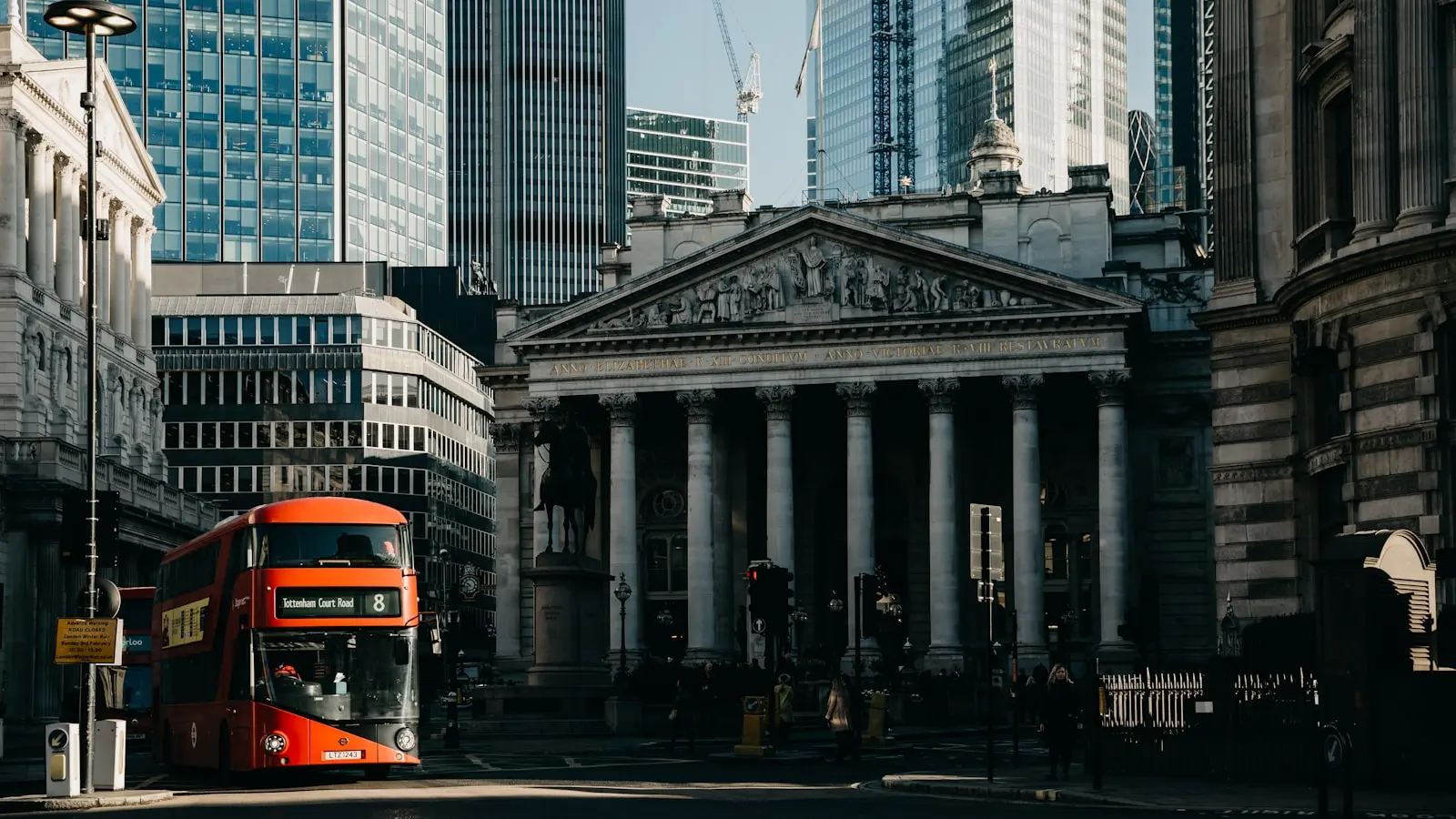
Post-pandemic economic shifts fracture traditional European travel models. Visitors pulling luggage across the uneven pavement outside Victoria Station confront an immediate financial boundary. London operates on a distinct economic frequency. The cost of existence here strips away romanticism. A five-day itinerary requires calculated resource allocation to balance the city’s notorious expenditure against its historical density. Current market analysts peg the baseline survival cost for a tourist at £150 daily, excluding initial aviation costs. Accommodation pricing charts indicate steady thirty percent increases since 2019. (Inflation respects no itinerary.) London does not forgive financial naivety.
The Geography of Capital Allocation
Geography determines liquidity. The central core—comprising Zone 1—extracts maximum capital for minimum square footage. Strategic travelers push outward. Establishing a basecamp in Zone 2 or Zone 3 fundamentally alters the financial trajectory of the five-day excursion. Neighborhoods like Clapham, Bethnal Green, or Finsbury Park provide essential sanctuary from the sheer gravitational pull of Westminster pricing.
The rapid gentrification of East and South London complicates this dynamic. Areas once considered purely industrial have evolved into cultural epicenters. Staying in Shoreditch or Peckham immerses the visitor in a dense collision of cultures. Caribbean food stalls operate adjacent to natural wine bars. Graffiti covers the brickwork beneath active railway lines. The noise bleeds through single-pane windows at night. This is the operational engine of the modern city. The budget traveler who selects these neighborhoods gains proximity to the creative class that actually drives London’s current aesthetic.
The architecture in these outer rings shifts from palatial Portland stone facades to terraced Victorian brickwork. Local rhythm replaces tourist staging. Grocery shops display bruised produce on wet sidewalks. Commuters queue for red buses under slate-grey skies. Booking an apartment or independent hotel in these outer boroughs routinely halves the nightly expenditure compared to Soho or Covent Garden. The required sacrifice involves time rather than capital. A twenty-minute subterranean journey separates the quiet residential streets from the chaotic pulse of Piccadilly Circus. This transit acts as a daily airlock, transitioning the visitor between local existence and global spectacle. (Distance buys financial breathing room.)
The Subterranean Nervous System
Movement requires the Tube. London’s subterranean transit network functions as a vast, pressurized equalizer. The system swallows millions daily, hurtling them through narrow tunnels bored deep into the London clay. Friction at the ticket counter vanished years ago. Contactless bank cards and smartphone chips tap against yellow illuminated readers.
The transport authority establishes automatic daily price caps. This invisible ceiling prevents isolated, fragmented journeys from draining travel funds. Visitors navigate the tangled colored lines on the map, learning to anticipate the violent rush of warm air preceding a train’s arrival. The Central Line radiates intense, trapped heat. The Elizabeth Line offers sterile, air-conditioned efficiency. Relying exclusively on this network forms the structural backbone of the budget. Black cabs exist purely as aesthetic background elements, painted glossy black against the grey tarmac. The meter ticks too fast.
Walking bridges the remaining gaps. The geographical distance between Covent Garden and Leicester Square measures shorter on foot than the labyrinthine process of navigating the stations below ground. Pavement demands energy but preserves funds.
Subsidized Atmosphere and Structural Weight
Cultural immersion frequently bypasses the wallet entirely. The British state subsidizes the preservation of global artifacts and contemporary thought. The British Museum, the National Gallery, the Tate Modern—these heavy institutions unlock heavy timber doors without demanding entrance fees. This reality permanently alters the daily itinerary structure.
Visitors spend hours analyzing the Rosetta Stone or standing beneath immense industrial installations in the Turbine Hall without opening a ledger. The architecture itself commands attention. Ancient Roman wall fragments interface directly with modern structural glass. Walking along the South Bank of the Thames exposes the viewer to centuries of structural evolution in a single sightline. The river moves heavy and brown beneath steel suspension bridges. The sky hangs low, threatening rain that rarely breaks into a downpour. Observation costs nothing.
The texture of the city reveals itself to those who prioritize pavement over paid observation decks. You observe the suit-clad workers in the City of London leaning against centuries-old stone walls, smoking cigarettes before market open. You watch the tide pull back to reveal muddy shores lined with scavengers looking for clay pipes. (Tourists buy tickets. Travelers walk the streets.)
The Utilitarian Culinary Pivot
Sustenance forces compromise. The traditional public house serves as the neighborhood anchor, yet the price of a standard pint climbs steadily toward the £7 mark in central districts. Dining out depletes capital rapidly, driven by rising commercial rents and supply chain friction. To survive a five-day stretch without defaulting on the budget, visitors adopt local supermarket logistics.
The historical context of the pub requires acknowledgement. Historically, these spaces served as the living rooms of the working class. Today, corporate consolidation transforms many into polished gastro-establishments. Finding a genuine local pub—one with worn carpets, brass fittings, and a distinct lack of piped music—requires navigating away from the main thoroughfares. In these surviving enclaves, ordering a pint becomes a transaction of cultural observation. The bar staff operate with practiced efficiency. Regulars occupy designated stools. The condensation drips down the side of the glass. Even at a premium price, this specific environment warrants the expenditure. It anchors the traveler in the immediate, physical reality of British social mechanics.
For daytime sustenance, the grocery store meal deal stands as a pillar of modern British survival. Tesco, Sainsbury’s, and Waitrose bundle sandwiches, crisps, and cold beverages into rigid, heavily discounted tiers. Travelers consume these chilled provisions on damp wooden benches in Russell Square or perched on the stone steps of Trafalgar Square. It strips dining down to pure caloric intake. This utilitarian approach preserves liquid funds for evening engagements. It represents pure function over form.
Dinner shifts toward street food ecosystems. Borough Market or Camden Lock provide culinary diversity without the premium markup of table service. Vendors hand over paper trays of complex, spiced meats and heavy starches. The steam rises into the cold night air. Diners stand shoulder-to-shoulder under railway arches, eating with wooden forks.
The Five-Day Ledger
Applying these constraints creates a predictable financial model. The following breakdown illustrates the daily baseline for a disciplined visitor operating out of Zone 2.
- Accommodation: £80 - £120 (Zone 2 or Zone 3 independent rentals)
- Transit: £8.50 (Daily contactless cap for Zones 1-2)
- Food (Daytime): £10 - £15 (Supermarket meal deals, local bakeries)
- Food (Evening): £20 - £35 (Street markets, casual neighborhood pubs)
- Attractions: £0 - £15 (State museums, Thames path, one paid entry)
- Total Baseline: £118.50 - £193.50 (Per person, excluding international transit)
The Value of Friction
Five days in this environment test financial endurance. Yet, the constraints ultimately shape the behavior. Removing the crutch of endless capital forces the visitor to interact with the city on a strictly material level. The barrier between observer and participant dissolves.
They feel the damp chill waiting for the night bus. They hear the distinct mechanical hum of the Underground escalator pulling thousands of bodies upward toward the surface. They taste the metallic tang of a cheap grocery store coffee consumed while walking through centuries-old squares. This friction generates actual memory, untethered from curated, ticketed experiences. London exacts a severe toll, but it delivers an atmosphere that defies inflation. The energy hums through the pavement. The city demands participation.