The Economic Recalibration of Travel
Post-pandemic inflation forces a strict recalibration of European travel budgets. London extracts capital mercilessly. When visitors stare at £8 pints across scratched mahogany bar tops in Soho, the immediate reaction involves swift mental arithmetic. A five-day itinerary requires exact financial architecture to succeed. The city punishes the careless. Yet, beneath the surging hospitality costs and inflated flight premiums lies a structural advantage for the disciplined traveler. State-sponsored museums eliminate entry fees for world-class cultural repositories. An extensive subterranean transit network dissolves the need for private transport. Strategy offsets expense.
The broader macroeconomic environment dictates this renewed focus on financial discipline. Inflation drove hotel rates upward across all major European capitals over the last thirty-six months. London, already resting on a high baseline, saw prices spike as demand returned. Analysts note that the cost of short-term rentals and mid-tier hotels jumped significantly, forcing a structural shift in how extended trips are planned. Travelers no longer arrive and figure it out. They map out exact daily budget breakdowns before booking flights. The casual weekend break requires the logistical planning of a corporate deployment. This economic pressure separates the passive tourist from the active traveler. The passive tourist pays the premium. The active traveler bypasses the trap.
Accommodation and the Spatial Shift
Central London real estate operates on exclusion. Hotels bordering Mayfair or Covent Garden charge premiums that drain budgets before a visitor unpacks a suitcase. Moving outward alters the financial equation entirely. Securing a room in Zone 2 or Zone 3 shifts accommodation costs from exorbitant to manageable.
The city’s geography dictates the experience. Waking up in Camden or Brixton exposes travelers to the immediate texture of residential life. The morning rush toward the overground sets the daily rhythm. The clatter of delivery trucks outside independent bakeries replaces the sterile silence of luxury hotel lobbies. This spatial shift forces engagement with the working city. (The boundary between tourist and temporary resident blurs). Commuting inward each morning via the Tube builds an understanding of London’s vast, sprawling scale. Travelers sacrifice immediate proximity for budget preservation. They trade thirty minutes of transit time for hundreds of pounds in savings.
Subterranean Transit Mechanics
The London Underground demands mastery. Visitors navigating the narrow, curved tunnels learn quickly that efficiency trumps comfort. Oyster cards and contactless bank cards track the journey seamlessly. They cap daily expenditure automatically. Budgeting for transit means understanding this daily cap system, which restricts maximum charges regardless of how many trains someone boards within specific zones.
The mechanics of the transit system enforce fairness. The daily price cap ensures that a visitor making two trips pays the same as a courier making ten trips within Central London. This technological efficiency removes the anxiety of movement. A traveler taps a piece of plastic against a yellow reader, the gate swings open, and the entire metropolis becomes accessible. The system processes millions of these micro-transactions hourly. It hums with an invisible, relentless logic.
The physical environment of the Tube offers a sensory immersion into the city’s historical infrastructure. The rush of displaced air precedes a Northern Line train. The worn mosaic tiles lining the Bakerloo line map out decades of subterranean transit history. Cabs remain an inefficient luxury. Black cabs look striking against the grey asphalt. They trap passengers in endless surface-level gridlock. Navigating below ground dictates the pace of the trip.
The Architecture of Public Space
London hides its greatest value in plain sight. The British Museum and the Tate Modern operate as free cultural anchors. They completely alter the daily budget of a five-day stay. Visitors bypass ticketing desks, stepping directly into vast architectural achievements.
The Tate Modern forces visitors to confront scale. Housed in a former power station, its Turbine Hall reduces human figures to shadows against brutalist concrete. (Space itself becomes the exhibit). Free access democratizes these spaces. Travelers drop in for an hour rather than forcing exhausted, full-day marches to justify an expensive entry ticket.
The British Museum demands a specific navigation strategy. Entering through the massive Greek Revival facade, visitors step into the Great Court. The glass tessellated roof filters pale London sunlight over the reading room. The architecture physically elevates the artifacts contained within the building. Examining the Rosetta Stone or the Parthenon Sculptures without handing over a credit card feels almost illicit in a city so heavily commodified. Free admission changes the behavioral psychology of the visit. It removes the pressure of the transaction. A visitor wanders through the Assyrian lion hunt reliefs for twenty minutes, absorbs the staggering craftsmanship, and walks back out into Bloomsbury without feeling shortchanged by fatigue. This micro-dosing of culture keeps the itinerary agile.
Street Level Immersion
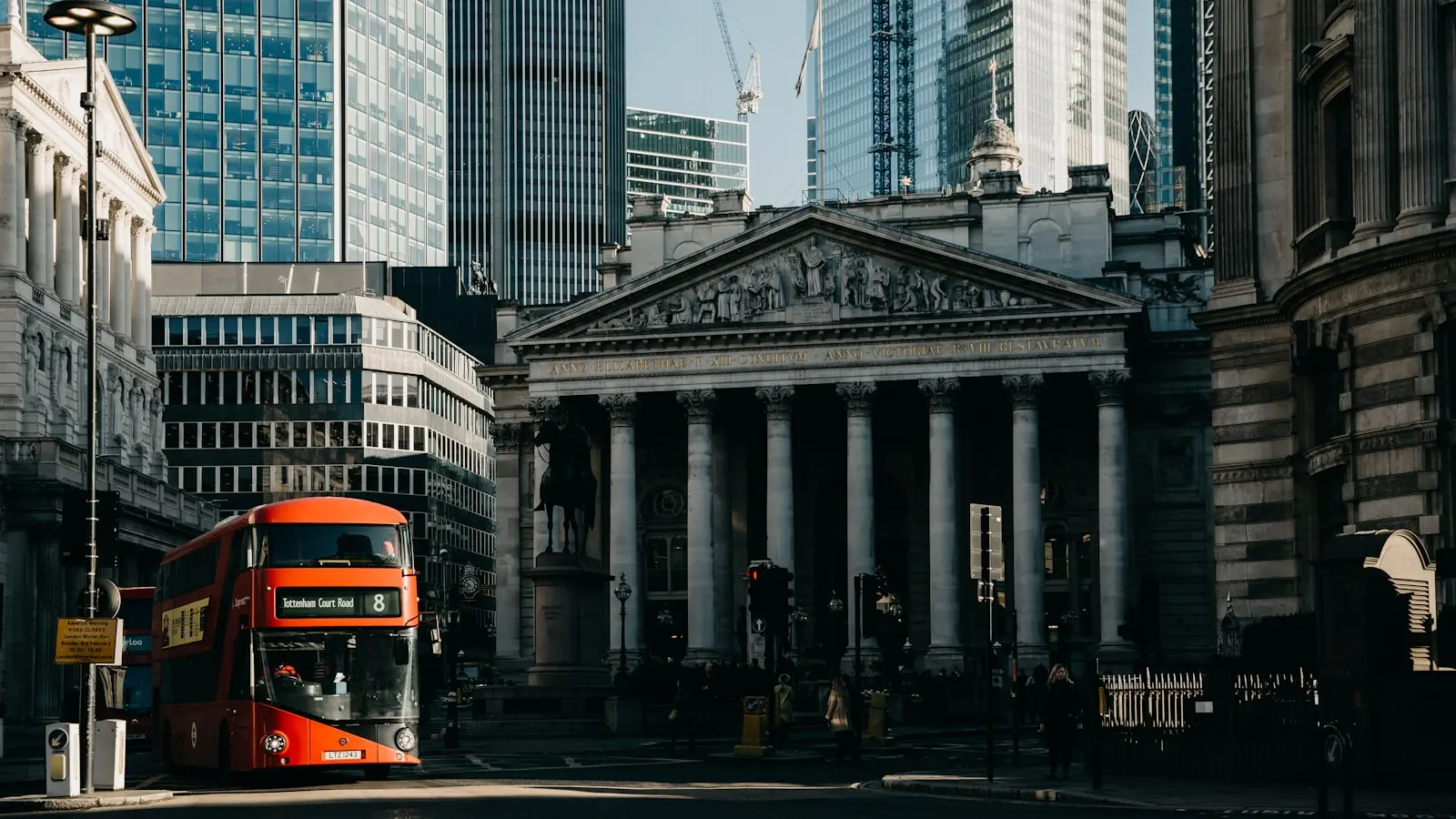
The street level offers equal value. Ancient stone churches sit wedged between glass corporate headquarters in the financial district. The City of London serves as the ultimate physical manifestation of this contrast. Roman Wall fragments sit entirely ignored next to the sweeping glass curve of modern skyscrapers. The financial district rebuilds itself continuously, pouring billions into steel and glass, yet the street grid remains medieval. Navigating these narrow alleys reveals the timeline of an empire. Visitors walking down Lombard Street walk the arteries of global finance. It costs nothing to stand outside the Bank of England and absorb the sheer weight of the stonework. The building projects power. It projects permanence.
Walking maps the city into muscle memory. The juxtaposition of ancient history and modern street life provides immense value for those who prioritize pedestrian exploration over paid attractions. The route from St. Paul’s Cathedral across the Millennium Bridge to the South Bank physically bridges centuries of architectural philosophy in a ten-minute walk. The Thames churns below, opaque and heavy. The skeletal steel structure of the bridge hums under foot traffic. Ahead, the Globe Theatre reconstructions and brutalist arts complexes await. The visual density of the skyline costs nothing to consume. It demands only physical endurance. Footwear choices dictate the success of the trip more than dining reservations.
Food Economics and the Meal Deal
Dining in London presents the greatest threat to financial discipline. Restaurant bills carry service charges, VAT, and the inherent markup of central locations. Counteracting this requires strategic retreats from traditional sit-down meals.
The local grocery store meal deal emerges as a cultural phenomenon. It functions as a strict financial necessity. Tesco, Sainsbury’s, and Waitrose bundle sandwiches, crisps, and drinks into fixed-price packages. These packages sustain the local workforce. Adopting this habit anchors the daily food budget. Eating a packaged sandwich on a damp bench in St. James’s Park provides a sharper slice of modern British life than sitting in a tourist-heavy pub.
Beyond the grocery store, street markets offer the secondary tier of food budgeting. Borough Market operates as a sensory overload of artisanal cheese and cured meats, but it charges a premium for the aesthetic. Moving toward lesser-known markets alters the math. Broadway Market in Hackney provides access to the city’s chaotic, brilliant culinary diversity. A £9 box of hot street food eaten while leaning against a brick wall delivers more flavor than a £30 plate in a sterile restaurant. The street dictates the palate. The smoke from the grills, the shout of the vendors, the sharp smell of vinegar and hot oil. The environment seasons the food.
When evening arrives, travelers allocate funds toward specific, chosen experiences. The pub remains the center of social gravity. The condensation on a pint glass, the worn fabric of corner booths, the hum of post-work conversation. These elements justify the high cost of a drink. (Strategic deprivation during the day funds the evening’s indulgence).
The Financial Sandbox
If a traveler executes a strict financial model, the baseline daily expenses follow a predictable pattern.
- Transit (Daily cap for Zones 1-2): £8.50
- Lunch (Grocery meal deal): £3.50 to £5.00
- Dinner (Casual dining, single pint): £20.00 to £35.00
- Attractions (State museums, public parks): £0.00
- Coffee and Sundries: £10.00
This keeps the daily out-of-pocket spend under £60 per person, excluding accommodation. Achieving this requires relentless discipline. Slipping into a West End restaurant without checking the menu shatters this framework instantly.
Conclusion
Design shapes behavior. Culture shapes taste. A five-day trip to London stripped of limitless funding forces a traveler to engage with the city’s actual mechanics. They ride the same trains as the local workforce. They eat the same quick lunches. They seek refuge in the same free galleries when the rain starts. The restriction of capital paradoxically deepens the cultural immersion. A limitless budget buys isolation. Private cars, exclusive dining rooms, and guided tours seal the visitor behind glass. A strict budget buys the street. The true texture of London exists in the friction of its crowds, the damp chill of its evening air, and the towering scale of its history. Budgeting simply dictates how close one stands to the machinery. The city rewards those who walk its floorboards.