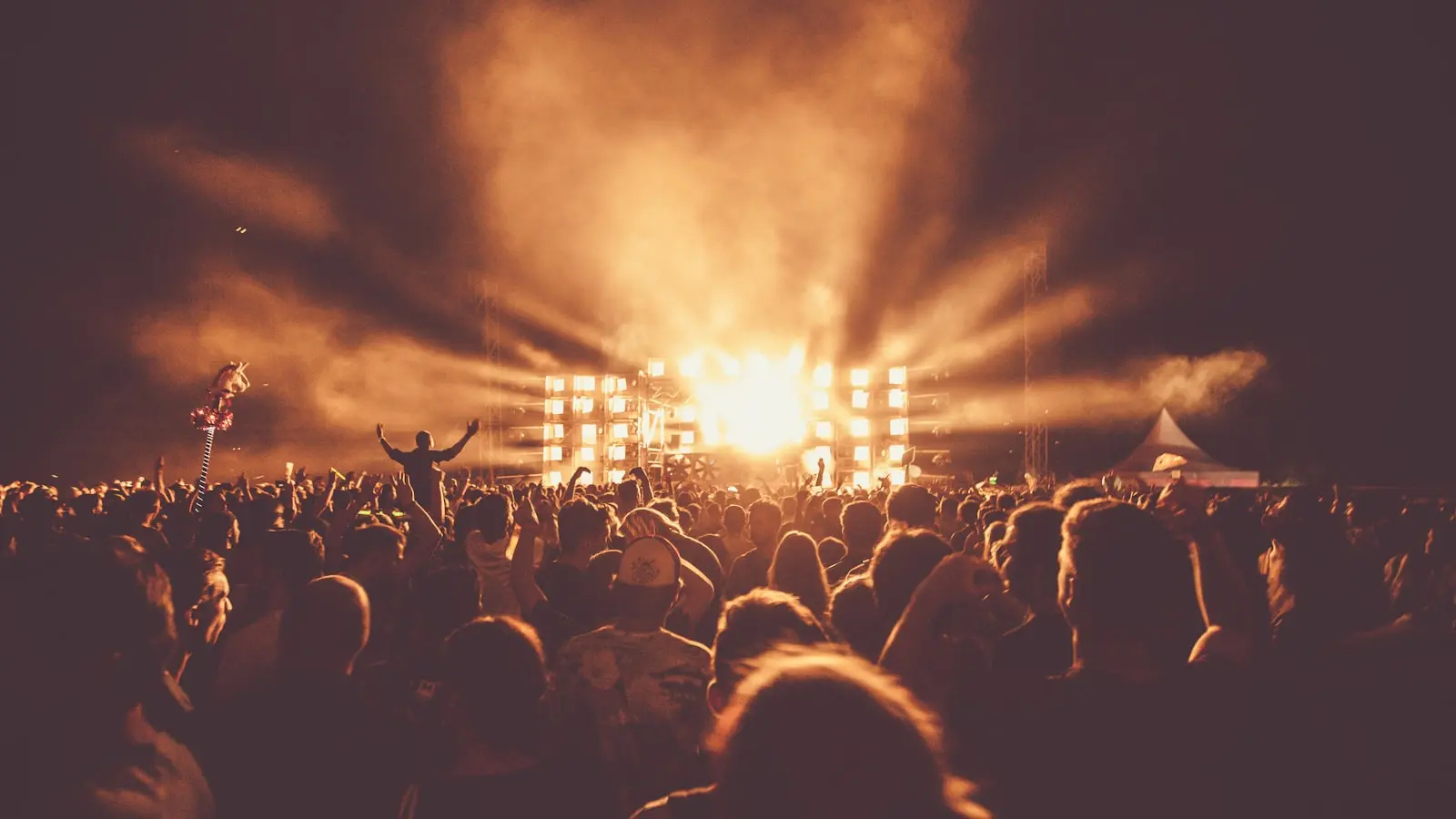
Crowd anxiety at live events is real, and you are not alone. The key to managing it lies in preparation, strategic choices, and grounding techniques. Here is a practical step-by-step toolkit to help you enjoy concerts, games, and festivals without being overwhelmed.
Key Takeaways:
- Prepare before the event by studying the venue layout, arriving early, and packing sensory aids like earplugs.
- Choose seats near exits, aisles, or less crowded areas to preserve a sense of control.
- Use grounding techniques such as the five-senses check-in and controlled breathing when anxiety rises.
- Leverage noise-cancelling earplugs and other sensory tools to reduce overstimulation.
- Always have an exit and recovery plan, and give yourself permission to step out when needed.
1. Prepare Before the Event – Reduce the Unknown
Anxiety often spikes when you feel unprepared. Start by visualizing the event: study the venue map, note entry points, restrooms, food stalls, and the schedule. Knowing the layout reduces the fear of the unknown. Arrive early so you can walk around while the crowd is thin. Identify quieter zones—secluded corners, empty hallways, or designated quiet areas. If the venue has a sensory room or first aid station, note its location. Discuss a meeting point and a communication plan with friends in case you get separated. Pack a small preparedness kit: noise-cancelling earplugs, a reusable water bottle, your phone with a calming app or playlist downloaded, and a small weighted object like a lap pad if the venue allows it. Being physically prepared shifts your mindset from caught-off-guard to in control.
2. Choose Your Seat or Spot Strategically
Where you sit or stand can make or break your experience. Aisle seats are gold: they allow you to step out without climbing over others and reduce that trapped feeling. Rows near the back or edges of the section offer more personal space and easier exit. For general admission events, stay at the sides or behind the main crowd, not front and center. Avoid the pit, front rows, or center sections where compression is tightest. Many venues now offer accessible seating areas that are wider and closer to exits; you do not need a disability to request a seat with extra legroom or an aisle—call ahead and ask. If you are at an outdoor festival, plant yourself near a fence line, a vendor booth, or an exit point. The goal is to create a buffer zone you can retreat to if needed.
3. Use Grounding Techniques During the Event
Once inside, anxiety may still creep up. Grounding techniques anchor you to the present and interrupt the spiral. The five-senses check-in works well: notice five things you can see (the stage lights, a friend’s shirt), four you can touch (the seat arm, your own sleeve), three you can hear (the bass, nearby chatter), two you can smell (food, fresh air), and one you can taste (water or gum). Controlled breathing slows your heart rate: inhale for four seconds, hold for four, exhale for four. Repeat four times. Shift your focus to why you came—the music, the game, the spectacle. Let the positive sensation outweigh the discomfort. Hold a fidget toy, a keychain, or squeeze your weighted object. Physical anchors remind your brain that you are safe and in this moment.
4. Leverage Sound and Sensory Aids
Loud noise is one of the biggest triggers for disorientation and panic. Noise-cancelling earplugs reduce the stadium roar without muting the music completely. Many musicians now sell high-fidelity earplugs that lower volume evenly, preserving audio quality. If the noise still bothers you, listen to a calming playlist over earbuds during intermissions or less intense moments. Sunglasses can help if flashing lights or strobes overwhelm you. Some people find light-weighted lap pads or compression vests provide a gentle calming pressure, but always check venue policies—heavy items may be restricted. The idea is to control sensory input so your nervous system does not hit overload.
5. Have an Exit and Recovery Plan
Anxiety can spike fast. Know the nearest exit or restroom you can reach without pushing through a crowd. If you feel the heat rising, excuse yourself immediately—there is no shame in stepping out. Go to a quiet hallway, a bathroom stall, or the designated quiet area. Once there, use grounding techniques again. Remind yourself that this wave will pass; anxiety peaks and then recedes. Drink water, splash cold water on your wrists, and breathe. When you are ready, you can rejoin the event, but you do not have to force it. Self-compassion is key: you are not failing by taking a break.
6. Normalize the Experience and Build Long-Term Resilience
Crowd anxiety is far more common than people admit. Many attendees feel the same way. Each successful event builds confidence. Start with smaller, shorter events—a local farmers market, a small concert—before graduating to stadiums. Cognitive-behavioral techniques can help reframe catastrophic thoughts (e.g., “I will panic and embarrass myself”) into realistic ones (“I have a plan, and I can leave anytime”). If avoidance is limiting your life, talking to a therapist who specializes in anxiety can be a game-changer. You do not have to conquer it all at once.
Frequently Asked Questions
What is the best strategy to avoid a panic attack at a concert? Plan your exit before you enter. Use noise-cancelling earplugs. Choose an aisle seat or a spot near an edge. At the first sign of tension—racing heart, shallow breaths—start the five-senses grounding exercise. If it escalates, step out without guilt.
Do noise-cancelling earplugs really help with crowd anxiety? Yes. Loud, unpredictable noise is a common trigger for disorientation and panic. High-fidelity earplugs reduce overall volume significantly while keeping the music clear. That reduction can lower stress enough to prevent an anxiety spike. Avoid cheap foam plugs that muffle everything; look for concert-specific brands.
Can weighted items like blankets or vests be used safely at live events? Weighted items can provide calming deep-pressure stimulation, but they must be allowed by the venue. Most large venues have strict bag policies. Small lap pads (2–5 pounds) may pass, but heavy vests are often prohibited for safety reasons. Never bring anything that could block your movement or impede an evacuation. Check the venue’s bag policy online before you go.