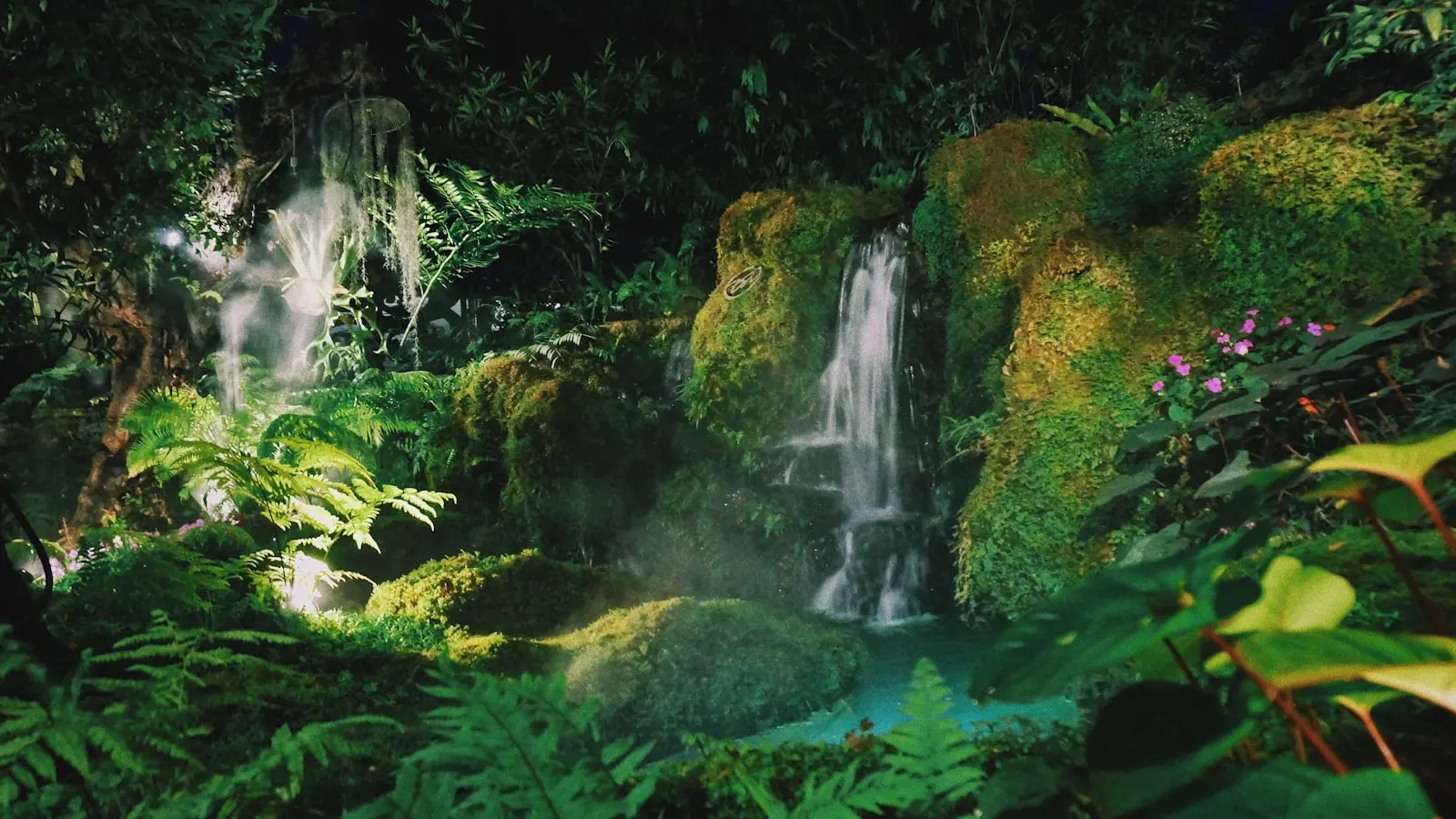
If Plitvice feels more like a queue than a paradise, these alternatives will restore your sense of discovery. Here are the key takeaways for a crowd-free Balkan adventure:
- Swap crowded Plitvice for lesser-known Rastoke, Krka off-season, or Una National Park for similar waterfalls with fewer people.
- Inland regions of Croatia, Bosnia, and Montenegro offer quieter nature at lower costs than the coast.
- Best travel windows: late spring (May–June) and early fall (September–early October) for mild weather and thin crowds.
- A 10-day rental car loop connects most hidden gems across the three countries.
- Budget-friendly accommodations in small villages and meals at local konobas keep costs low.
Why Plitvice Feels Overrun and When to Skip It
Plitvice Lakes National Park delivers a stunning chain of turquoise lakes and waterfalls, but its fame comes at a cost. During summer months, the boardwalks are packed with visitors, timed entry slots sell out early, and the quiet you hoped for is replaced by shuffle and chatter. Crowds can diminish the experience. If you still want to visit, aim for late September or early May, and arrive at opening time. But the smarter move is to shift your focus to inland alternatives that offer similar karst landscapes and cascading water without the queues. The trade-off is simple: swap a world-famous name for solitude and often a lower price tag.
Croatia: Inland Alternatives to the Tourist Trail
Rastoke is a small village near Slunj, often described as a miniature Plitvice. Waterfalls tumble right through the settlement, powering old wooden mills. There is no entry fee, and visitors are scarce even in high season. You can walk right up to the falls and explore the mill museum at your own pace. Stay overnight in Slunj for a true local feel.
Krka Waterfalls are far better known than Rastoke but still manageable if you time it right. From June to August, bus tours flood the park by mid-morning. Visit in late May or early September, or arrive before 9 a.m. on a weekday. Swimming is permitted in designated areas, a distinct advantage over Plitvice.
Papuk Nature Park in Slavonia is a complete escape from crowds. It features Jankovac waterfalls, dense forests, and hiking trails where you might see only a handful of people all day. Base yourself in Orahovica for budget-friendly accommodation and homemade food at local konobas.
Bosnia and Herzegovina: Waterfalls, Mountains, and Timeless Villages
Kravice Waterfalls are a 25-metre-high semicircular cascade that many describe as a mini Plitvice. The big difference is that you can swim in the pool below the falls. Crowds are moderate outside of peak August weekends, and the entrance fee is low. Reach it by rental car from Mostar in about 40 minutes.
Sutjeska National Park is home to Perućica, one of the last primeval forests in Europe, and the Tara River Canyon. The hiking trails here are spectacular and largely empty. Permits are easy to obtain at the park entrance. You will need a car or a taxi from Foča to reach the trailheads.
Lukomir is the highest inhabited village in Bosnia, sitting at nearly 1,500 metres. Its stone houses and shepherd lifestyle feel frozen in time. The road up is rough; a 4x4 or a guided tour from Sarajevo is recommended. The reward is panoramic views and genuine hospitality.
Montenegro: Quiet Nature from Mountains to Lake
Biogradska Gora National Park protects a pristine old-growth forest and a small glacial lake. The walking trail around the lake takes an hour and rarely feels busy. Camping is allowed near the lake, and the park sees far fewer visitors than Durmitor.
Durmitor National Park is popular, but you can avoid the crowds by visiting in June or September. Black Lake is the main attraction, but longer trails into the mountains offer isolation. Stay in the nearby town of Žabljak and eat at family-run guesthouses.
Lake Skadar is the largest lake in Southern Europe, straddling the border with Albania. Take a boat tour from Virpazar to see untouched wetlands, bird colonies, and medieval monasteries perched on islands. The lake is especially peaceful in spring and autumn.
Practical Itinerary for a Crowd-Free Balkan Trip
A 10-day loop covering inland highlights could start in Zagreb, then head to Rastoke, cross into Bosnia for Una National Park, continue to Kravice, then Sutjeska, cross into Montenegro for Durmitor, Biogradska Gora, and Lake Skadar, and finish in Dubrovnik or return to Zagreb. A rental car is the most flexible option; buses connect larger towns but require planning for remote parks. The best times are late spring (May–June) and early fall (September–early October) when weather is mild and crowds thin.
Budget wisely. Sleep in private rooms or small guesthouses in villages. Eat at local taverns (konobas) where a hearty meal costs a fraction of coastal prices. Park entrance fees range from about three to fifteen euros. Pack hiking boots, a swimsuit for waterfall swimming, insect repellent, and a paper map because cell service is patchy in the mountains.
Frequently Asked Questions
What is the best single alternative to Plitvice Lakes that offers a similar waterfall experience?
Una National Park in Bosnia and Kravice Waterfalls are the closest matches. Both feature cascading travertine formations and pools, but with far fewer visitors and the added bonus of swimming beneath the falls.
Can I visit these hidden gems using only buses and trains?
Yes, but you will face limited frequencies and longer travel times. Key hubs like Zagreb, Mostar, and Sarajevo are well-connected, but reaching parks such as Sutjeska or Lukomir often requires a local taxi or a guided tour. Renting a car is strongly recommended if your schedule is tight.
Are these destinations safe for solo travelers?
Generally yes. The Balkans are welcoming, and these areas have low crime rates. However, remote trails require proper preparation. Always inform your accommodation of your hiking plans and carry enough water, snacks, and a power bank. In Bosnia and Montenegro, some roads are rough, so drive cautiously.