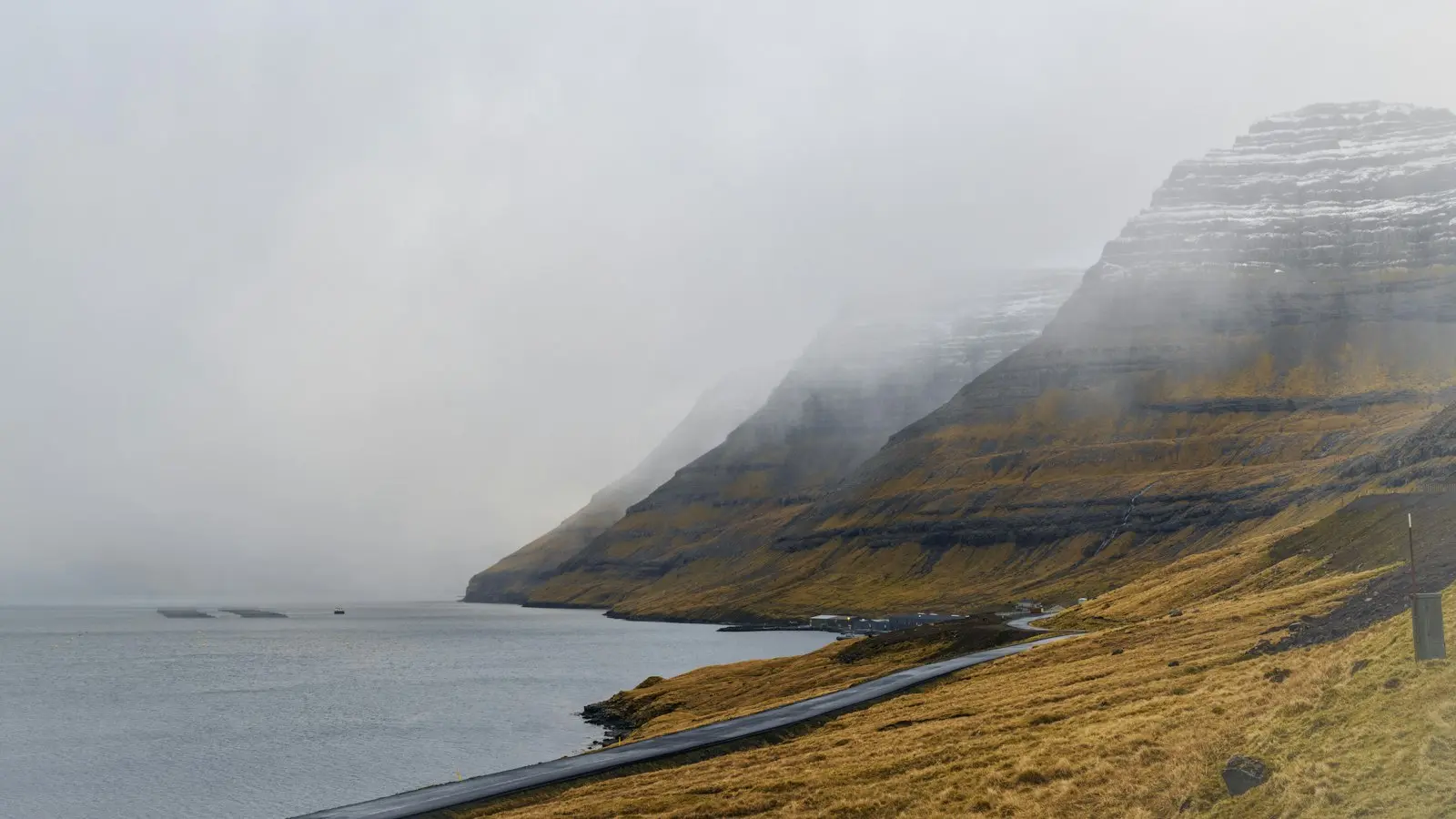
Fog can turn a spectacular Garden Route drive into a slow, tense journey. The best response is not to force the original plan: first decide whether the road is safe, then choose between waiting, shortening the drive, staying near your base, or moving indoors. A missed viewpoint is far better than continuing beyond your comfort level.
The most useful Garden Route fog alternatives are flexible and local. They preserve the day without requiring rushed driving, unnecessary backtracking, or a promise that a particular attraction will be open in difficult weather.
Key Takeaways
- Postpone or shorten the drive if you cannot comfortably read lane markings, road edges, junctions, traffic, or other hazards.
- Check weather, road, park, trail, and coastal conditions before leaving, then reassess at a specific time if improvement is expected.
- Choose nearby, reversible activities that can be abandoned easily if fog or rain worsens.
- Protect a tightly planned itinerary by moving flexible stops, contacting providers early, and avoiding rushed or nighttime driving.
- Fog can create atmospheric photographs, but distant views, wildlife sightings, and coastal panoramas may remain unavailable.
1. Decide whether fog makes the drive unsafe
Fog is not automatically dangerous, but it reduces the margin for error. A familiar road with improving visibility may be manageable for a careful driver; a winding coastal road with heavy rain, uncertain edges, standing water, or unseen traffic is a different proposition.
Postpone or cancel the drive when you cannot comfortably see lane markings, the road edge, approaching vehicles, junctions, or hazards far enough ahead to react smoothly. The safe distance varies with speed, road design, lighting, traffic, and your experience. If you are repeatedly braking late, gripping the wheel tightly, or relying on the vehicle ahead to show you the road, conditions are already too demanding.
Heavy rain adds other risks. Water can collect on the road, pedestrians or cyclists may be harder to see, and wildlife or livestock may appear with little warning in rural areas. A tired driver, an unfamiliar rental car, or a route with frequent bends should all push the decision toward waiting or staying local.
If you continue, reduce speed to match what you can see rather than simply following the posted limit. Leave considerably more space behind the vehicle ahead, and avoid overtaking unless visibility and road conditions make it clearly safe. Use the vehicle’s lights appropriately, avoiding bright lights that create glare in fog. Pull over only in a legal, genuinely safe place well clear of moving traffic; stopping on a narrow shoulder or just beyond a bend can create another hazard.
South Africa road trip fog is especially frustrating when a reservation or scenic stop is involved, but no viewpoint is worth driving beyond your comfort level. If conditions deteriorate during the journey, turn around or find a safe place to reassess rather than treating the original destination as an obligation.
2. Check conditions before leaving and choose a backup level
A useful Garden Route weather backup plan starts with a short check rather than a long debate. Look at the forecast for your departure point, the route, and the destination separately. Coastal weather can change over a relatively short distance, so a clear forecast in one town does not guarantee clear conditions at the next stop.
Before setting out, check:
- Current and forecast weather, including rain, wind, low cloud, and visibility where available.
- Official road-condition notices for the roads you intend to use.
- Park, reserve, trail, beach, and coastal hazard advisories.
- Opening hours, last admission times, booking requirements, parking, and seasonal access for indoor venues or tours.
- Cancellation, credit, and weather-closure terms for anything already booked.
Use official information where available and confirm directly with the operator when the decision matters. A map listing or old travel post may not reflect a temporary closure, changed hours, flooding, maintenance, or access restrictions.
Then use a simple decision tree. If visibility is poor now but forecast to improve soon, delay departure and reassess at a specific time rather than waiting indefinitely. If fog is local and nearby roads are clear, shorten the drive and choose an activity close to your base. If fog or rain is persistent, select an indoor or sheltered option with confirmed access. If coastal, trail, or road advisories identify a hazard, cancel that outing rather than looking for a workaround.
Do a practical departure check as well. Fuel the car before heading into a remote section, charge your phone, download or cache the relevant map, and keep your accommodation details and emergency contacts accessible. Tell someone your revised plan if you are traveling alone or heading into an area with limited reception.
3. Match the alternative to your base town and the weather
The best Garden Route rainy day activities depend on where you are staying. From George, Wilderness, Knysna, Plettenberg Bay, or Storms River, the sensible alternative may be quite different, and a venue that works from one base may involve an unnecessarily long drive from another.
For light fog or intermittent showers, look for short, reversible outings. A local food stop, gallery, museum, craft venue, cultural site, sheltered viewpoint, or brief walk may work if access is confirmed and the route remains comfortable. The advantage is not that these activities recreate a clear coastal panorama; it is that you can leave early if the weather worsens without sacrificing the whole day.
A short walk still requires a conditions check. Wet rocks, slippery boardwalks, swollen streams, strong wind, and poor visibility can make a supposedly easy trail unsuitable. Stay on permitted routes, follow current notices, and do not treat an open map route as proof that the path is safe today.
For heavy rain, poor visibility, or coastal warnings, favor genuinely indoor plans. Depending on the base town, that might mean a verified museum, gallery, workshop, food experience, wellness booking, or a slow meal close to your accommodation. You can also use the time for laundry, route planning, photo backups, or a proper rest, particularly on a longer South Africa itinerary.
When conditions begin improving, choose an outing with an easy exit. A nearby town, a short look at a sheltered landscape, or a single viewpoint with a clear return route is more sensible than committing to a full-day loop. If the cloud lifts, you can extend the day; if it does not, you have not spent hours driving toward a view that remains hidden.
Because opening hours and access change, do not rely on a fixed attraction list without checking it for the date of travel. Confirm the venue’s current schedule, last entry, accessibility, transport, and whether advance booking is required.
4. Rearrange the route without backtracking or rushing
A two-week South Africa itinerary can absorb one disrupted driving day if you change the order intelligently. Start by separating fixed commitments—flights, nonrefundable stays, timed tours, and vehicle returns—from flexible ones such as viewpoints, short walks, and scenic loops.
If a base town has an extra night, move the exposed scenic drive to the clearer morning rather than adding a long detour. If you are traveling generally east or west, prefer an alternative that keeps you moving in that direction. Returning several hours to a missed viewpoint may cost more time and fuel than the experience is worth, especially if the same weather system remains in place.
Another option is to swap the order of regions. Use a poor-weather day for a lower-risk town activity, then take the coastal or forest drive when the forecast improves. This works best when accommodation dates are flexible and you are not creating a chain of tight check-in times.
Contact hosts, tour operators, parks, and activity providers as soon as the weather affects a booking. Ask four specific questions: Can the date be moved? Is a credit available? What happens if the provider closes? What is the policy if you decide not to travel but the activity remains open?
Do not assume poor weather guarantees a refund. Policies differ, and some operators may distinguish between an official closure and a guest choosing not to attend. Keep written confirmation of any change, and ask whether a revised time or date must be selected immediately.
Avoid making up lost time with speeding, an exhausting extra leg, or unfamiliar roads after dark. On a tightly planned trip, removing one scenic stop is usually safer and more economical than turning a weather delay into a driving emergency. Build a little slack into the following day instead of borrowing time from sleep.
A compact checklist for a limited itinerary is:
- Identify the next fixed booking and the nearest flexible day.
- Compare the forecast at the current base, along the route, and at the destination.
- Check road, park, trail, and coastal notices.
- Choose the nearest worthwhile option that can be abandoned easily.
- Confirm access and cancellation terms directly.
- Protect fuel, daylight, phone battery, and driver energy.
5. Reset expectations and use fog productively
Fog can produce worthwhile photographs, but it changes the subject. Instead of distant panoramas or bright coastal color, look for layered trees, softened horizons, wet surfaces, textures, silhouettes, and small changes in light. A quiet road, boardwalk, or nearby landscape can be more successful than repeatedly waiting for a famous viewpoint to appear.
Set limits around the photograph. Do not stop on an unsafe roadside, enter a closed trail, approach a rough shoreline, or cross a barrier for a better frame. Protect cameras and phones from moisture, keep lenses dry, and remember that low visibility may also mean wildlife and distant landmarks are unavailable.
The most productive mindset is to treat fog as a flexible travel day, not a failed scenic drive. Reassess conditions, choose the safest worthwhile option, and leave the original viewpoint for a clearer opportunity if one becomes available. The Garden Route will still be there; your itinerary does not need to prove anything to the weather.
Frequently asked questions about Garden Route fog alternatives
Should you still drive the Garden Route when fog reduces visibility?
Only if visibility, road conditions, and your own comfort allow you to drive without late braking, uncertain lane position, or excessive concentration. Delay, shorten, or cancel the drive when you cannot clearly read the road environment or when rain, standing water, bends, traffic, or fatigue reduce your margin for error.
What are the best Garden Route rainy day activities when outdoor views are blocked?
Choose verified indoor or sheltered activities near your current base, such as museums, galleries, craft or cultural venues, food experiences, wellness options, or a good local meal. Confirm hours, access, parking, and booking requirements directly, and treat short walks as weather-dependent rather than automatic alternatives.
How can you change a Garden Route itinerary without wasting a travel day?
Delay the scenic drive if improvement is likely, swap it with a flexible day, or choose a nearby activity that keeps you moving in the planned direction. Contact providers early about date changes or credits, and avoid backtracking or trying to recover time through longer, faster, or nighttime driving.