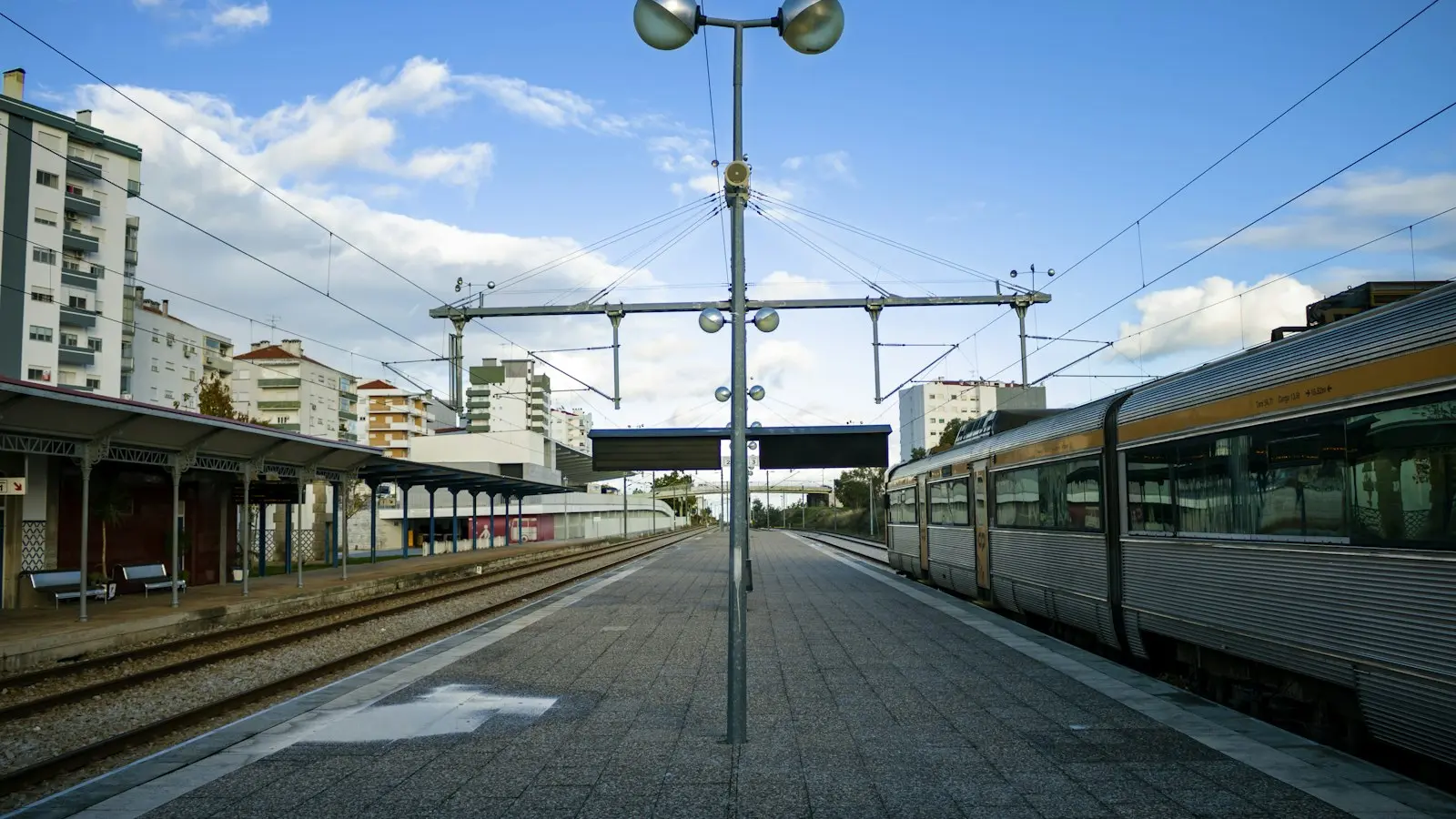
French Riviera day trips are easiest when you use Nice as a rail base, choose destinations that suit your pace, and plan beyond the published station-to-station journey. Monaco and Menton are usually the most straightforward no-car choices because they sit on the coastal rail corridor. Saint-Jean-Cap-Ferrat can work well without a car, but it often adds a bus connection, a longer walk, or both.
A timetable tells you when a train or bus moves; it does not tell you when you reach a beach, garden, old town, or lunch reservation. Add the walk from your hotel, time to find the right platform or stop, final uphill sections, and a cushion for the return. That door-to-door approach makes French Riviera public transport far less stressful.
Key Takeaways
- Base yourself in Nice for the widest choice of rail and bus day trips without renting a car.
- Make Monaco and Menton dedicated days unless you have light plans and flexible expectations.
- Treat Saint-Jean-Cap-Ferrat as a train-plus-bus or bus-led outing, not a quick rail stop.
- Check the current operator timetable, ticket conditions, and disruption notices on the day you travel.
- Build extra time for walking, hills, crowds, heat, transfers, and the last practical journey back to Nice.
Start with the right no-car day-trip strategy from Nice
Nice is a useful base because it sits on the main coastal rail line and connects with local and regional buses. It gives you options: a simple train day, a train-plus-bus outing, or an easier local day when weather, crowds, or service conditions make a longer trip less appealing.
Before choosing a destination, decide what kind of day you want. One destination is usually best if you want beach time, have timed entry for a museum or villa, expect steep walking, are traveling with children, have limited mobility, or want a relaxed dinner before returning.
Combining stops works only when both are close to rail stations, your plans are flexible, and neither stop depends on a long beach afternoon or fixed admission time. A brief visit to two rail-friendly towns can be pleasant on a mild day. It becomes much less realistic in summer heat, with luggage, or when the second stop requires a bus connection.
Build each outing from door to door rather than station to station. Include the hotel-to-station walk, ticket purchase or app setup, time on the platform, the ride itself, station exits, the final walk, meals, your main activity, and a return buffer. If the schedule still feels unhurried after adding those pieces, it is probably workable.
Before leaving Nice, check:
- Opening times and reservation requirements for attractions.
- The last practical return, not simply the final possible service.
- The station or bus stop closest to your actual destination.
- Hills, tunnels, stairs, shade, and the route back after dark.
- Weather conditions, including heat, rain, wind, and coastal-path closures.
- Current notices from the relevant rail and bus operators.
Pick the French Riviera day trips that work best by train
For many visitors, Nice day trips by train are the least complicated way to explore the coast. The rail corridor serves several popular towns, but stopping patterns and service levels can vary by date, time, engineering work, and disruptions. Use the official journey planner for your travel date rather than relying on a generic map or an old itinerary.
A Monaco day trip by public transit is appealing because rail avoids driving, parking, and road congestion. The important caveat is that Monaco is built vertically. Its station is useful, but reaching the old town, gardens, waterfront, casino district, or a specific restaurant may involve tunnels, public lifts, stairs, steep streets, or local transport.
That does not make Monaco difficult; it makes it a poor choice for a rushed stopover. Allow time to orient yourself after leaving the station, and use a map that shows elevation as well as distance. A route that appears short on screen can feel much longer when it climbs in midday sun.
The Menton from Nice train trip is often a strong option for beginners because the town center and seafront are more naturally connected to the station than many Riviera destinations. A promenade walk, old-town lanes, lunch, and time by the water can fill a full day without complicated transfers.
Menton is still not one compact, flat attraction. Some gardens, beaches, and the Italian border are farther from the station than first-time visitors expect, and the old town includes slopes and steps. Treat arrival by train as the start of the journey on foot, not the end of it.
Villefranche-sur-Mer and Antibes can also suit rail-based outings. Their stations may put you within reach of waterfronts and town centers, but a particular cove, beach club, viewpoint, or museum can require extra walking. The better plan is usually one clear destination rather than assuming every coastal stop is interchangeable.
| Destination | Rail practicality from Nice | Final-mile effort | Best for | Why not combine it casually |
|---|---|---|---|---|
| Monaco | Often straightforward by rail | Elevation, tunnels, station exits, local movement | Architecture, gardens, waterfront walks | Terrain and major sights take longer than they appear |
| Menton | Often straightforward by rail | Moderate walking and old-town slopes | Seafront, old town, gardens, a slower day | Beach time and sightseeing can fill the schedule |
| Villefranche-sur-Mer | Often convenient by rail | Walks between station, waterfront, and beach | A lighter coastal outing | A relaxed swim day leaves little time for another stop |
| Antibes | Rail-friendly in principle | Varies by beach and old-town target | Markets, old town, coastal wandering | Its sights are spread out enough to justify a dedicated day |
Use buses selectively for Cap-Ferrat and final-mile gaps
French Riviera public transport becomes more complex where the rail line does not reach the destination itself. Peninsulas, elevated villages, trailheads, villas, and smaller beaches may require a bus after the train or a bus-led journey from Nice.
For a Saint-Jean-Cap-Ferrat bus plan, start with the precise place you want to visit rather than the destination name alone. A beach, villa, port, coastal path, and restaurant may involve different stops and different walks. Confirm the current route, timetable, boarding point, and stop name before departure.
Then assess the final stretch. Check whether the walk is exposed to sun, includes gradients or steps, and remains comfortable after beach time with tired legs and wet gear. Coastal paths can be rewarding, but they are not a sensible add-on when weather is unsettled, daylight is short, or you need to catch a tightly timed bus.
Buses provide broader coverage and can be less expensive than taxis, but they also depend on road traffic and may be crowded or less frequent later in the day. A taxi can be a useful backup for the last segment, especially when a missed connection would affect a reservation. Treat it as a contingency rather than an assumption during busy periods.
Allow more buffer for a train-plus-bus day than for a direct rail trip. A late train can affect the bus connection, a full bus can delay you further, and traffic can make the return less predictable. Keep Saint-Jean-Cap-Ferrat as a single-destination day unless your plans are very light and you are comfortable changing them.
Accessibility needs route-specific checks. Station lifts, step-free platform routes, bus boarding arrangements, pavement quality, gradients, and beach access can vary by location and date. Verify the exact route and venue before travel rather than relying on a general claim that a destination is accessible.
Buy, validate, and monitor tickets without relying on assumptions
Rail and bus tickets do not necessarily use the same network, fare structure, or inspection rules. A regional rail ticket may not cover a local bus, while a bus ticket or pass may not work on the train. Confirm the operator for every leg before buying a ticket intended to cover the day.
Purchase options can include station machines, staffed sales points where available, official rail or transit apps, and approved local outlets. Machines can be simple when you know your exact destination, but leave time if you are unfamiliar with language settings or ticket categories. Avoid making a first-time purchase at the last minute on a crowded platform.
Validation and activation requirements depend on the operator, ticket format, and current policy. A physical ticket may require a step before boarding, while a digital ticket may need activation or a specific display during inspection. Follow the instructions shown when you buy the ticket and check current operator guidance.
Mobile tickets are convenient but not fail-safe. Battery loss, weak signal, payment problems, account access, app-language issues, or a missing confirmation screen can turn a simple journey into a stressful one. Carry a power bank, keep essential ticket details accessible where permitted, and know how to retrieve a purchase if your phone loses signal.
Use a two-stage disruption routine. Check the official SNCF journey planner and the relevant local transit information shortly before departure. Check again before returning, especially after spending the day at a beach, on a trail, or away from live service information.
Travel light when combining trains and buses. A small day bag is easier through station corridors, crowded doors, stairs, and narrow pavements. Avoid turning a transfer day into a beach day with suitcases; luggage makes every final-mile gap feel larger.
Build a realistic three-day French Riviera public transport itinerary
Day 1: Monaco only. Use a direct rail approach if current service supports it, then allow time for station exits and elevation changes. Choose one or two areas rather than trying to cover the whole principality, and aim for an early-evening return with room for an unexpected detour or a crowded train.
Day 2: Menton only, or Menton plus a nearby rail stop. Menton alone is the wiser option for a beach, lunch, gardens, or unhurried old-town wandering. Add another stop only with an early start, light plans, suitable current service, and a willingness to shorten the second visit if the day runs long.
Day 3: Saint-Jean-Cap-Ferrat by train-plus-bus or bus-led routing. Make this a one-place day. Transfers, traffic, walking distances, and a possible coastal-path excursion can expand the schedule quickly, particularly in warm weather.
Season changes the calculation. Summer brings heavier crowds and heat, making a short-looking route feel more demanding. Shoulder seasons can bring timetable changes, while winter daylight makes late trail walks and missed bus connections less forgiving. Major events can also reshape demand and road traffic along the coast.
Before returning to Nice, repeat a simple checklist: confirm the station or stop name, check the final practical departures, keep your ticket and phone power ready, and leave before the journey becomes the day’s last gamble. The best French Riviera day trips are not the ones with the most pins on a map. They are the ones that leave time to notice the sea, sit down for lunch, and get back without a sprint.
FAQ
Is Monaco an easy day trip from Nice by public transport?
It is often one of the easier rail outings from Nice, but the experience involves more than the train ride. Monaco’s tunnels, lifts, hills, station exits, and spread-out sights make it better as a dedicated day than a rushed add-on.
Can you take the train from Nice to Menton for a day trip?
Yes. Menton is commonly practical as a rail-based day trip from Nice. Check current service before traveling, then allow time for the walk from the station to your chosen beach, old-town route, garden, or border-area stroll.
Do you need a bus to visit Saint-Jean-Cap-Ferrat from Nice?
Often, yes, depending on your starting point and exact destination within Cap-Ferrat. A train may help with part of the journey, but a bus or longer walk can be necessary for the final stretch. Confirm current routing and stop locations before leaving Nice.