London strips capital from the unprepared with ruthless efficiency. Visitors routinely hemorrhage funds within forty-eight hours of touching the tarmac at Heathrow, seduced by the neon glow of the West End and the sterile, high-margin pubs surrounding Piccadilly. The financial gravity of the city pulls the unsuspecting into a vortex of inflated dining checks and exorbitant hotel tabs. Yet, industry data paints a parallel reality. A five-day itinerary requires less than $1,200 in ground costs when spatial economics override tourist impulses. Discipline preserves capital.
The mathematics of this budget rely entirely on structural decisions. At current exchange rates, $1,200 translates to roughly £950. Removing £450 for five nights of carefully sourced accommodation leaves £500, or a daily burn rate of £100. When transport caps absorb £8.50 of that daily allowance, the traveler retains £91.50 for sustenance and engagement. This figure shatters the illusion that the city caters exclusively to wealth. The budget holds. You simply have to avoid the geographical traps built to capture foreign cash.
Post-pandemic inflation fractured the British hospitality sector. London currently ranks among the five most capital-intensive tourist hubs on the planet. Rent surges force restaurateurs and hoteliers in high-footfall areas to pass commercial lease weights directly onto the consumer. (A £25 shepherd's pie serves as a tax on geographical ignorance.) To survive this environment without resorting to grim austerity, the traveler must abandon the center.
Evacuating Zone 1
The postal code dictates the profit margin. Securing accommodation within Zone 1 ensures severe financial depletion for mediocre square footage. The perimeter offers salvation. Neighborhoods like Shoreditch to the east and Camden to the north provide structural refuge. Boutique hostels and short-term apartment leases in these districts trigger a 30% reduction in nightly rates.
The architecture shifts. Sterile hotel lobbies dissolve into converted Victorian industrial spaces. Shoreditch carries the texture of weathered brickwork and steel fire escapes. The morning noise consists of delivery trucks navigating narrow lanes rather than tour buses idling on dual carriageways. Sleeping outside the core forces engagement with the lived reality of the city. (The edges harbor the actual culture.) You buy space, but you also buy context. The $1,200 budget survives only when the traveler stops paying the premium for a central London postcode that local residents abandoned a decade ago.
The Subterranean Ledger
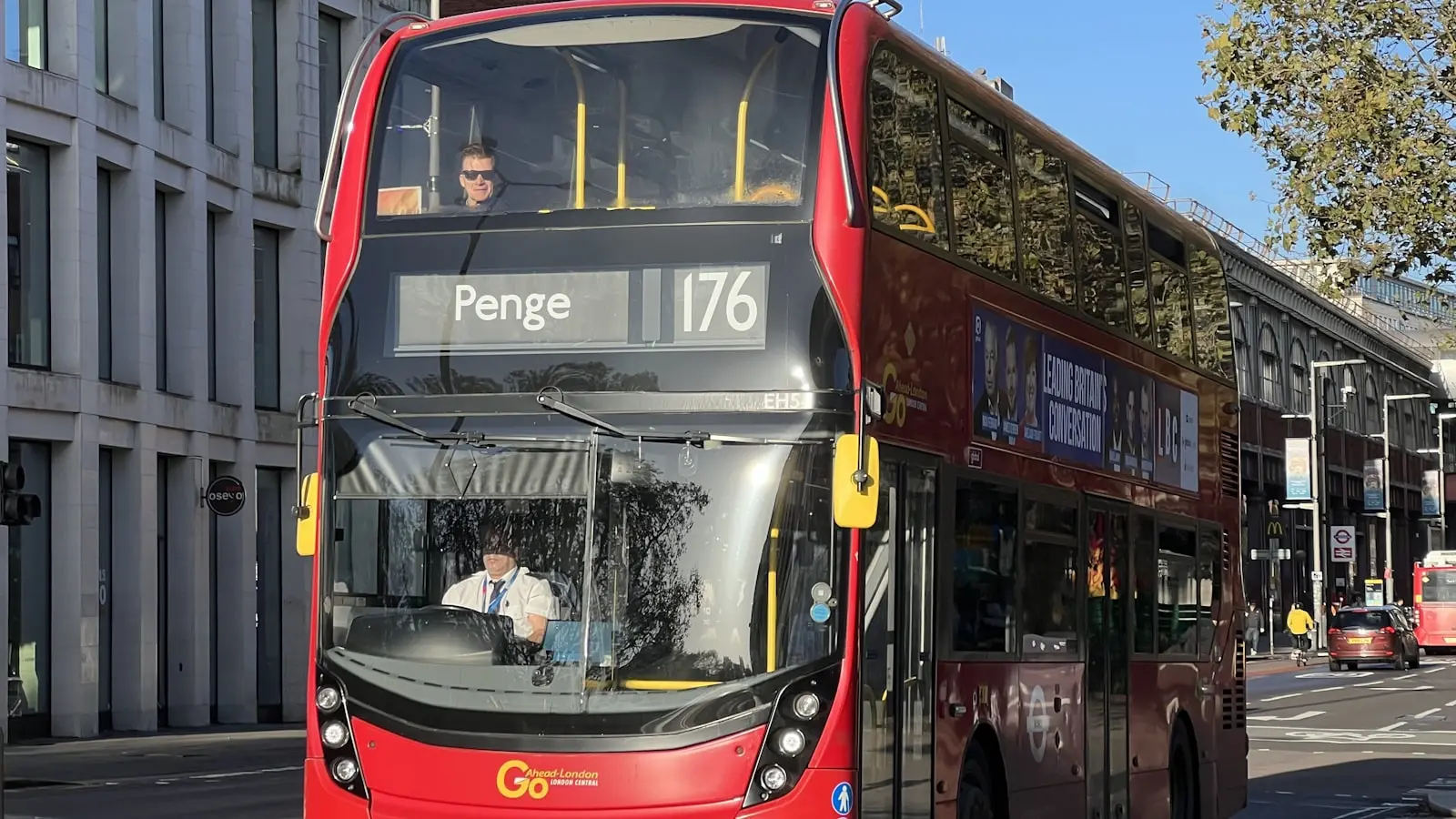
Movement across the sprawl requires the London Underground. Tourists historically bled cash through single-journey paper tickets or poorly managed visitor passes. The modern transport grid operates on a different logic. Contactless payment systems and Oyster cards impose a strict daily cap on movement within central zones. The financial bleed stops at approximately £8.50 per day.
Consider the physical reality. You descend into the Victorian tunnels, feeling the piston-push of warm, stale air preceding the train. The doors slide open. You cross the city from the glass financial towers of Canary Wharf to the stucco facades of Notting Hill. The daily cap translates to unlimited subterranean transit for less than the cost of a single watered-down cocktail in Mayfair. Efficiency scales. The traveler taps a piece of plastic against a yellow glass reader, and the barrier parts. The friction of urban transit dissolves into a predictable, manageable line item.
Culinary Geography
Dining in London exposes the sharpest divide between the engineered tourist experience and local reality. Soho and Covent Garden operate as traps. The restaurants lining these streets rarely serve food; they serve convenience. The overhead costs of a central lease require rapid table turnover and compressed portion sizes.
The budget traveler pivots. Capital flows toward street-level markets and neighborhood fixtures. Borough Market operates as a sensory assault of curing meats, melted raclette, and burning charcoal. However, Borough draws crowds and prices reflect that density. Pushing further out to Broadway Market in Hackney or the stalls operating beneath the railway arches in Bermondsey yields better margins. Here, £10 secures dense, complex calories. The texture of a slow-roasted pork shoulder sandwich eaten while standing on rain-slicked pavement surpasses anything served on white porcelain in Leicester Square. (Porcelain carries a surcharge.) The $1,200 framework relies heavily on substituting sit-down service for environmental immersion. You eat where the architects, students, and exhausted nurses eat.
The Monumental Subsidy
London offsets its localized hostility through a massive civic subsidy. The cultural architecture of the city remains largely free to navigate. This alters the behavioral economics of the entire trip.
The British Museum, the Victoria and Albert Museum, and the Tate Modern stand as monolithic anchors. The Tate Modern occupies a decommissioned power station on the south bank of the Thames. Visitors walk down the concrete ramp into the Turbine Hall. The sheer volume of empty space presses down. Industrial architecture repurposed to house conceptual art. You observe the brutalist concrete, the steel girders, the quiet hum of the crowd. Entering this space requires zero capital. (A rare urban mercy.)
Across the city, the Victoria and Albert Museum hoards centuries of design history. Visitors wander past wrought iron gates and Renaissance sculpture without opening a wallet. Because entry lacks a financial threshold, the pressure to consume everything vanishes. A traveler can spend forty-five minutes examining a single gallery of mid-century furniture, then walk out onto the street to find coffee. Cost dictates duration. When a museum demands a high entry fee, visitors march through the halls until their feet blister, determined to extract value. When the museum is free, visitors treat the space as a public living room. The budget survives because the city’s greatest assets sit entirely outside the transactional economy.
The Free Topography
Beyond institutional walls, the topography of the city itself serves as the primary attraction. Walking the Thames Path from Westminster to Tower Bridge costs nothing but physical endurance. The visual contrast strikes hard. You pass the brutalist slabs of the National Theatre, where skateboarders echo under concrete underpasses, before the skyline fractures into the glass shards of the financial district.
The river dictates the layout. Observers note how the water acts as a dividing line between the entrenched wealth of the north and the shifting, regenerative energy of the south. Engaging with this geography requires no entry ticket. A disciplined traveler understands that staring at the illuminated dome of St. Paul’s Cathedral from the Millennium Bridge at dusk holds more atmospheric weight than a £150 ticket to a crowded West End musical.
The Daily Pacing
A five-day timeline provides enough duration to avoid the frantic rushing that defines amateur travel. The schedule breathes. A morning begins in a Camden coffee shop, watching the rain streak the plate glass. Midday involves a transit jump to Southwark, walking the Thames path. The afternoon belongs to a free museum. The evening concludes with a £6 pint in a neighborhood pub where the carpet remains sticky and the wood paneling absorbs the low hum of local conversation.
The $1,200 budget does not force austerity. It forces deliberation. Every pound spent on a generic Oxford Street souvenir represents capital diverted from genuine engagement. The traveler who successfully navigates this economic framework understands that the friction of the city generates its warmth. You do not purchase London. You outmaneuver it. The geometry works.