The Architecture of Post-Pandemic Travel Economics
Post-pandemic inflation and currency market volatility systematically dismantle the casual European holiday. Travelers attempting spontaneous, unbudgeted navigation through major financial hubs face immediate liquidity crunches. The era of arriving in a capital city with loose plans and a debit card ended definitively three years ago. London punishes the underfunded visitor. A five-day itinerary requires rigorous financial architecture before tires hit the tarmac.
When financial travel analysts observe the shifting topography of European tourism, they point directly to the rising operational overhead absorbed by the hospitality sector. Hotels pass this friction directly to the consumer. Visitors frequently stare at £200-per-night credit card holds for entirely unremarkable mid-range rooms. This translates to a £1,000 baseline expenditure before a single cup of tea materializes. The weight of the pound sterling against international currencies applies constant downward pressure on purchasing power. Every transaction carries a psychological tax. (The numbers demand respect).
The Spatial Constraints of Central Lodging
Securing a physical staging ground dictates the survival of the entire trip. Industry experts universally advise allocating the absolute majority of capital toward accommodation. Standard hotel geometry in central districts shrinks annually while nightly premiums expand. Reserving a room operates less like securing luxury and more like purchasing necessary logistical coordinates.
Travelers attempting to minimize the £200-per-night bleed often retreat toward Zone 2 or Zone 3 perimeters. This spatial shift alters the sensory experience of the city. Waking up in a converted Victorian terrace in Shoreditch or a cramped, whitewashed basement room near Paddington Station anchors the visitor in the working reality of the capital. The walls remain thin. Sirens cut through the damp morning air. Floorboards warp under cheap synthetic carpets. The architecture of budget hospitality relies on dividing historic structures into increasingly narrow profit centers. You trade square footage for proximity.
Subterranean Movement and Financial Capping
Movement through the capital relies entirely on the architecture of the London Underground and its surface-level counterparts. Frugal travel networks emphasize the contactless Oyster card system or direct smartphone NFC integration. The transit authority forces a specific, mathematically sound rhythm upon the traveler.
Tapping a piece of plastic against the yellow illuminated reader initiates a complex daily capping algorithm. Plunging into the subterranean network—listening to the screech of metal wheels against curved iron tracks—transforms transport from an unpredictable expense into a manageable fixed overhead. Commuters and travelers elbow past each other on escalators diving deep beneath the Thames. The hot, static air of the Central Line rushes upward, carrying the scent of ozone and brake dust.
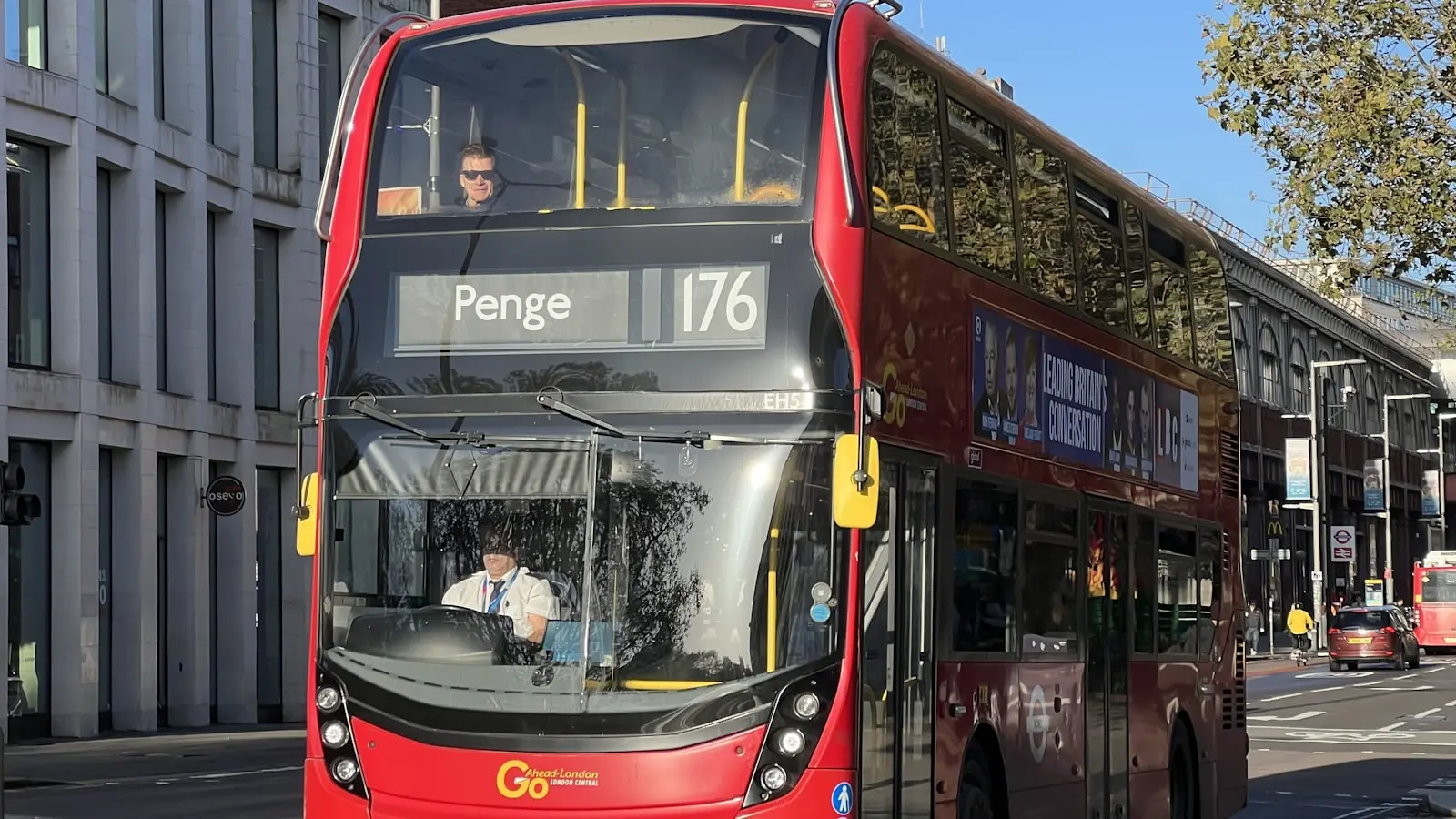
By utilizing the daily cap, tourists effectively purchase unlimited lateral movement across the city’s grid. The transit cap holds. For an even more aggressive reduction in overhead, the red double-decker bus network offers a lower daily spending ceiling. Navigating the upper deck through the rain-streaked glass down Oxford Street provides architectural surveillance at ground-level pricing. Movement becomes a solved equation.
The Gastronomic Divide
Culinary survival demands total avoidance of tourist gravity wells. Leicester Square, Covent Garden, and their radiating streets operate as high-margin processing centers. Neon signs illuminate menus designed to extract maximum foreign currency for minimum caloric value. Visitors consume heavily marked-up, low-tier meals surrounded by identical crowds. The financial alternative requires mapping local food systems and engaging with the actual dietary habits of the working population.
The supermarket meal deal functions as the foundational pillar of British daytime sustenance. Retailers package a sandwich, a snack, and a drink into a rigid, highly calibrated price tier. Workers and travelers alike consume these functional triangular packages on concrete benches outside glass office blocks in the City of London. It provides necessary friction against the soaring cost of sit-down dining. It fuels the machine.
For sensory immersion without the restaurant premium, Borough Market functions as the primary alternative. Vendors exchange paper-wrapped sausage rolls and fresh oysters beneath dark railway arches. The smell of melting raclette cheese and roasted meat saturates the cold air. Shoppers navigate wet cobblestones while commuter trains rumble directly overhead, shaking the Victorian ironwork. (This is how history tastes). You consume the geography. Avoiding formal dining rooms in favor of high-velocity street markets stabilizes the daily budget while elevating the cultural return.
The Paradox of Zero-Cost Infrastructure
The primary counterbalance to London’s aggressive pricing structure exists within its civic infrastructure. State-funded cultural repositories eliminate admission barriers entirely. Frugal travel syndicates direct immediate attention toward these institutional assets, noting that a five-day schedule requires zero capital allocation for entertainment.
The British Museum and the Tate Modern stand as monolithic vaults of human history and design. Visitors cross the threshold of the Tate Modern, a retrofitted industrial power station, and immediately encounter the vast, echoing space of the Turbine Hall. The brutalist concrete dominates the senses before a single canvas registers. Space shapes the psychology of the viewer. You navigate the steel ramps and elevated walkways without triggering a single transaction.
Further west, the museum district of South Kensington groups the Natural History Museum and the Victoria & Albert Museum into a dense cluster of zero-cost exploration. The terracotta facades dominate the streetscape. Inside the V&A, visitors wander through halls lined with Renaissance ironwork and Persian ceramics. The scale of the curation disorients the mind.
Across the city, the British Museum operates under a similar economic paradox. Norman Foster’s tessellated glass roof arcs over the Great Court, filtering gray London light onto the limestone floor below. Visitors stand inches away from the Rosetta Stone or the Parthenon Sculptures without purchasing a ticket. The architecture of public access demands attention. Culture operates as the cheapest commodity in a notoriously hostile economic zone. (A rare systemic mercy).
Integrating these sprawling, zero-cost environments into the itinerary neutralizes the catastrophic effects of lodging and flight inflation. The modern traveler balances the £200 nightly deficit by completely bypassing the paid entertainment sector.
Strategic Deployment of Capital
Executing a five-day deployment requires accepting the high fixed costs of the environment while mercilessly stripping away the variable traps. The hospitality sector extracts its tax at the point of booking. The transport network negotiates a fair daily truce via contactless readers. The culinary landscape punishes the lazy and rewards the tactical.
Travelers who treat the city as an interactive financial puzzle manage to extract the cultural marrow without suffering catastrophic bank account depletion. They walk the concrete embankments of the Thames as the tide pulls back to reveal the muddy riverbed. They consume street-level calories under iron bridges. They stand inside vast, silent galleries while the economic machinery of the financial district grinds away outside the glass. The city yields its assets to those who study its structure. You plan the perimeter. You execute the design.